
Most people think the biggest hurdle to homeownership is the mortgage. Honestly, that’s only part of the story. Across the country, a growing number of homeowners are realizing they can technically afford to buy a home, but they can’t afford to keep it. Not because of their loan. Because of property taxes.
It’s a slow squeeze. Sometimes it takes years to feel the full weight of it. You buy a home, feel settled, and then the annual tax bill arrives and starts climbing year after year, pushing you closer to the edge of what’s financially sustainable. For millions of Americans, this is no longer a hypothetical. Nationally, property tax payments rose an average of 5.5% from 2023 to 2024, according to CoreLogic, and a staggering 27.4% since 2019. That’s not a gradual drift. That’s a structural shift in the cost of owning your own home. Let’s dive in.
1. New Jersey: The Undisputed Property Tax Capital of America
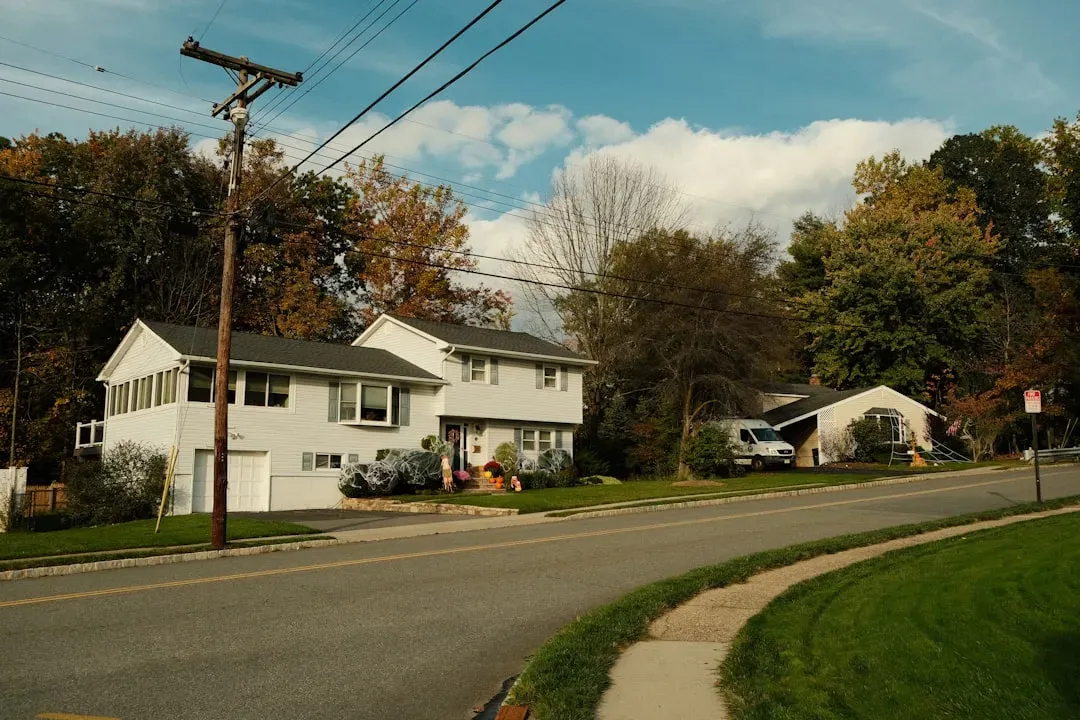
If there’s one state that makes homeowners feel trapped in their own zip codes, it’s New Jersey. The numbers are genuinely hard to wrap your head around. New Jersey’s average property tax bill for a single-family home reached $10,134 in 2024, the highest in the nation, nearly 10 times higher than West Virginia’s $1,027, the lowest.
According to ATTOM’s 2024 property tax analysis, the 10 states with the highest effective tax rates were all in the Northeast and middle of the country, led by Illinois at 1.75% and New Jersey at 1.56%. New Jersey’s reliance on property taxes to fund its public schools is a big part of the problem. In states like New Jersey, public schools rely heavily on property taxes, which explains why the Garden State has the highest tax rate in the nation.
Think about what this means in real terms. A $400,000 home in New Jersey costs roughly $8,920 per year in taxes, while the same home in Florida costs just $3,280, a difference of about $470 per month. That gap is larger than many car payments. For retirees on fixed incomes, or young families already stretched thin by mortgage payments and insurance, it’s not just uncomfortable. It’s unsustainable.
New Jersey ranks among the states with the highest average tax bills, and rising assessed values only compound the pain for homeowners. The state does offer some relief programs. The filing window for several New Jersey property tax relief programmes, including ANCHOR and Senior Freeze, closed on October 31, 2025. Still, those programs offer only partial relief against a system that keeps ratcheting upward.
2. Illinois: Midwest Sticker Shock and the Chicago Suburb Problem

Illinois doesn’t get quite as much attention as New Jersey in the property tax conversation, but it arguably should. Illinois, for the second consecutive year, recorded the highest effective property tax rate among all states, at $17.93 per $1,000 of home value. That’s not just a regional oddity. That’s a structural burden baked into the cost of owning a home in the state.
The Chicago metro area is where the problem is most visible. Rockford, Illinois, led all metro areas at a 2.06% effective rate, followed closely by Chicago at 1.91% and Peoria at 1.89%. And it’s not just existing homeowners feeling the heat. In 2024, the Chicago metro area saw property tax bill increases of 12.9%, one of the largest spikes among major U.S. metro areas.
Here’s the thing about Illinois: the state leans heavily on property taxes to fund a wide range of local services, from schools and pensions to infrastructure. For high-tax states like Illinois that don’t have a natural high home value explanation, the data points to a reliance on property taxes to fund a broader range of local services that are funded by other revenue sources in other parts of the country.
Moving from Illinois to a low-tax state like Alabama on a $400,000 home saves roughly $6,760 per year, about $563 per month, enough to effectively slash a mortgage rate by a full percentage point. That’s not a small number. That’s a retirement contribution, a college fund, a financial lifeline. No wonder people are leaving.
3. Texas: The No-Income-Tax Illusion
Texas markets itself hard on the idea of no state income tax. It’s a genuinely attractive pitch, and millions of people have moved there partly because of it. But here’s the uncomfortable truth that the brochures leave out. Texas is known for having no state income tax, but this financial model comes with trade-offs. To make up for lost revenue, Texas relies more heavily on property taxes than most states.
Property taxes across Texas have been steadily climbing for the past decade, reaching a record $125.05 billion levied statewide in 2024, based on the most recent data from the Texas Comptroller. For context, from 1998 to 2024, Texas property tax levies increased by 364%, while combined population growth and inflation rose only 149%. That gap tells you everything.
Texas carries an average property tax rate of 1.58%, considerably higher than the national average of 1.02%, meaning roughly half of the state’s property owners pay more than $3,971 annually. In high-growth counties like Travis, which includes Austin, the pressure is even more intense. Travis County carries one of the highest average effective property tax rates in Texas, driven by fast population growth, rising property valuations, and strong school district funding requirements.
The state has tried to address it. Texas voters approved a constitutional amendment on November 4, 2025, to raise the state’s homestead exemption for calculating school property taxes from $100,000 to $140,000. It’s a meaningful step, though critics note it doesn’t touch the underlying appraised values, where the real problem often lives.
4. California: Prop 13 Protects the Few, Punishes the New
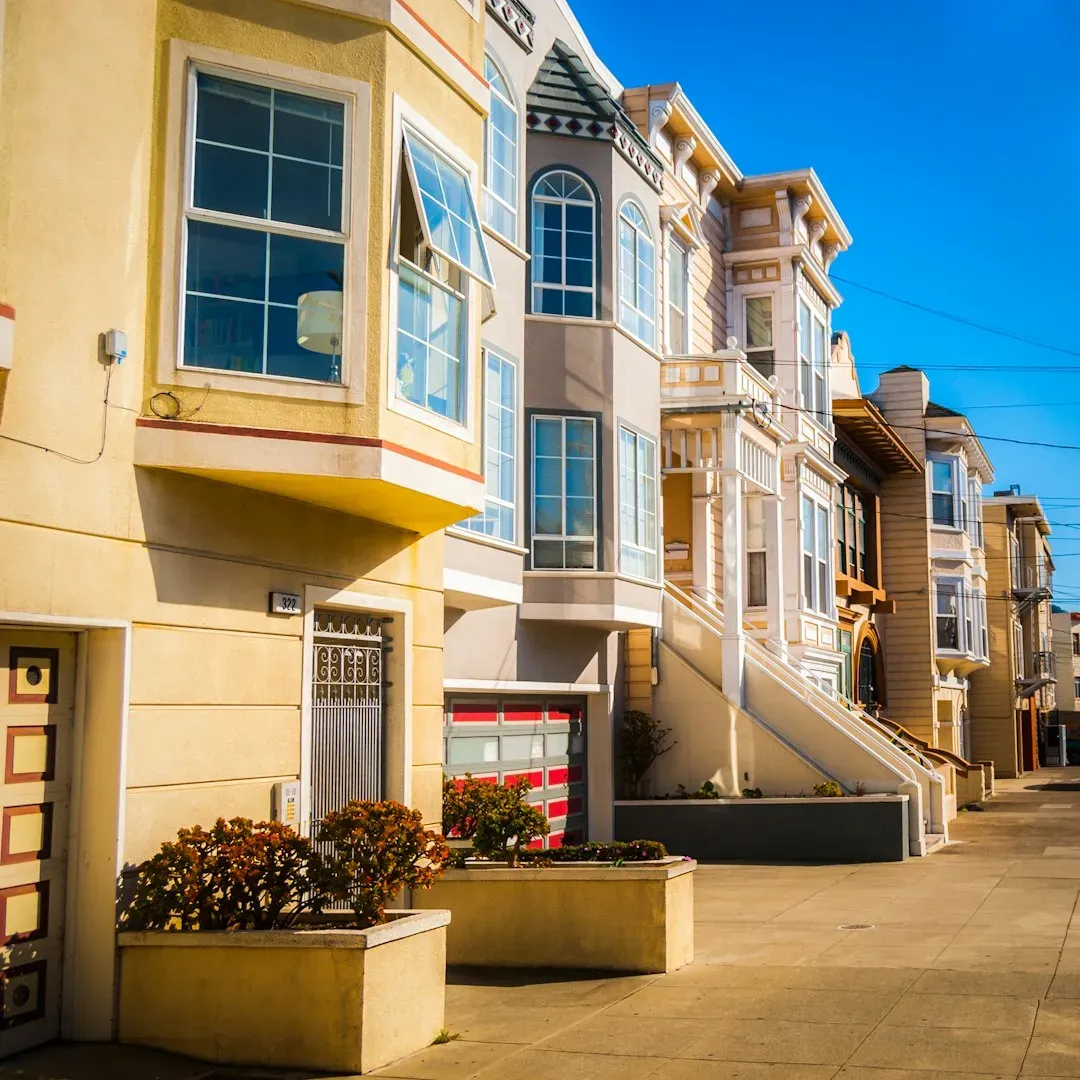
California is a fascinating and, honestly, slightly maddening case study in property tax inequality. Proposition 13, passed by voters in 1978, caps annual assessment increases at 2% for existing owners. On paper, that sounds fair. In practice, it creates a two-tier system that increasingly punishes anyone trying to enter the market today.
Prop 13 still caps increases at 2% per year, but that protection only applies after you own the home. The moment you buy in 2025 or 2026, your home is fully reassessed at market value, instantly resetting your tax baseline for the next 30 years. That’s a seismic difference. In California, two neighbors in identical homes might pay wildly different amounts, with one paying around $900 a year and another paying over $10,000. This isn’t a mistake. It’s the direct result of Proposition 13.
The median home in California is worth around $900,000, a price that carries an annual property tax burden of approximately $9,000 per year. For new buyers, those numbers hit immediately at purchase, with no gradual ramp-up. California’s biggest hidden tax cost isn’t the 1% base rate. It’s the stack of local add-ons voters approved between 2024 and 2026, which push effective property tax rates from 1.10% into 1.30% to 1.55% territory, especially where Mello-Roos fees still exist.
There’s also a strange side effect nobody talks about enough. Because Prop 13 ties low tax rates to long-term ownership, many homeowners hesitate to sell their homes. Moving would trigger a reassessment at market value, resulting in a much higher property tax bill. This “golden handcuff” effect discourages people from downsizing or relocating, which reduces housing turnover. Less inventory. Higher prices. More pressure on buyers. A self-reinforcing trap.
5. Florida: The Sun, the Sand, and the Surging Tax Bills
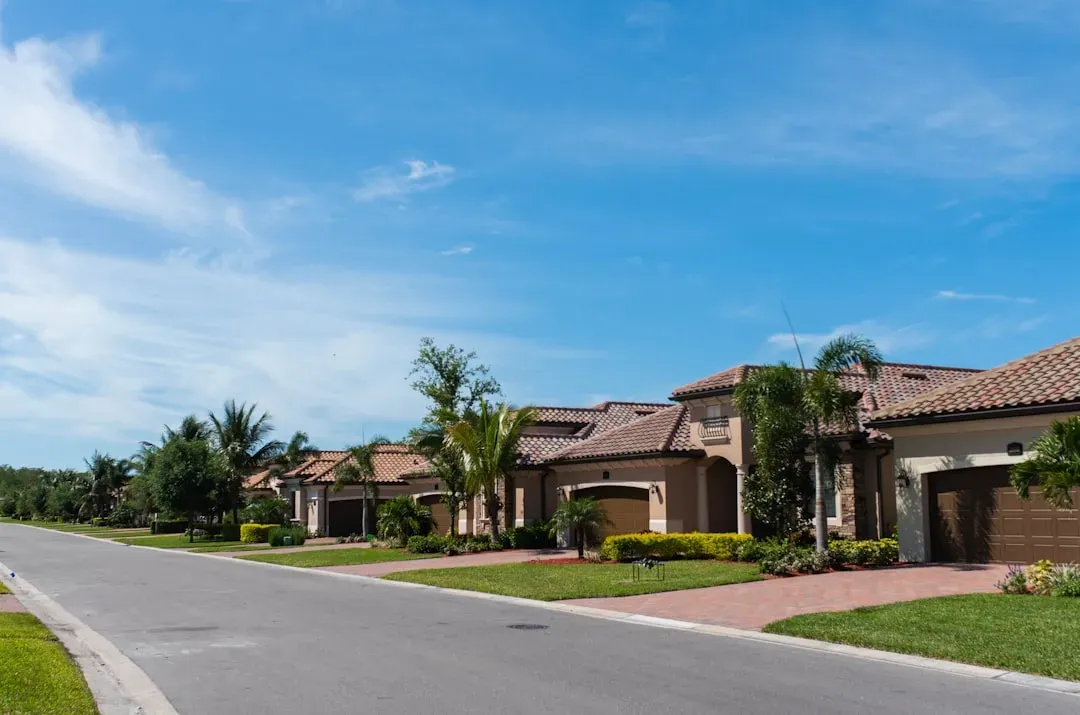
Florida used to be the escape hatch. The place people fled to from New Jersey, Illinois, and New York precisely because costs were lower and the lifestyle was better. That story is still partly true, but the property tax picture has gotten considerably more complicated in recent years.
In Florida, property taxes have increased by 9.5% per year since 2019, while home prices have shot up by 14.6% annually. By October 2024, the median price for a single-family home in Florida jumped above the national average, hitting $393,500. That’s a dramatic shift for a state that long prided itself on affordability. Homeowners in Florida experienced a 9.5% annual property tax payment increase from 2023 to 2024, one of the largest in the country.
The state does have protections in place for long-term residents, including homestead exemptions and the “Save Our Homes” cap, which limits annual assessment increases to 3% for existing owners. Florida offers expanded homestead and senior exemptions, with changes tied to inflation providing ongoing protection. The catch? Those protections don’t help new buyers or recent arrivals, who get reassessed at full market value the moment they close on their home.
It’s hard to say for sure whether Florida’s affordability advantage will fully erode in coming years, but the trend line is clear. Florida experienced one of the largest property tax increases since 2019 at 47.5%, while Florida home prices grew 73% against a national average of 51.6%. For people who moved to the Sunshine State expecting long-term financial relief, that’s a difficult reality to absorb.
The Bigger Picture: A National Affordability Crisis in the Making
Zoom out from these five states and a troubling national pattern emerges. ATTOM’s 2024 property tax analysis found that $382.7 billion in property taxes were levied on single-family homes, up 5.3% from 2023, with the average tax on a single-family home rising to $4,300, a 5.8% increase over the previous year. These aren’t abstract numbers. They represent real pressure on real families.
With nearly one-third of American households now considered cost burdened, concerns around housing affordability can no longer be ignored. Property taxes are rarely the headline story in those conversations. Mortgage rates get the attention. So do home prices. Yet the tax bill is the one that keeps growing regardless of whether you refinanced at a good rate or locked in a deal years ago.
The mismatch between rising property values and effective tax rates creates disparities in how tax burdens are distributed. Long-term homeowners often benefit from lower effective rates, while new buyers purchasing homes at higher market values may face disproportionately larger tax bills. That generational divide is one of the defining housing stories of this decade, and it isn’t going away on its own.
Property taxes were always meant to fund schools, roads, fire departments, and public services. That purpose hasn’t changed. What has changed is the scale, the speed of the increases, and the number of households that are now caught in a system they didn’t fully understand when they signed on the dotted line. The trap isn’t just financial. It’s geographic. When your tax bill price you out of the neighborhood you chose to call home, where exactly are you supposed to go? What do you think about it? Tell us in the comments.