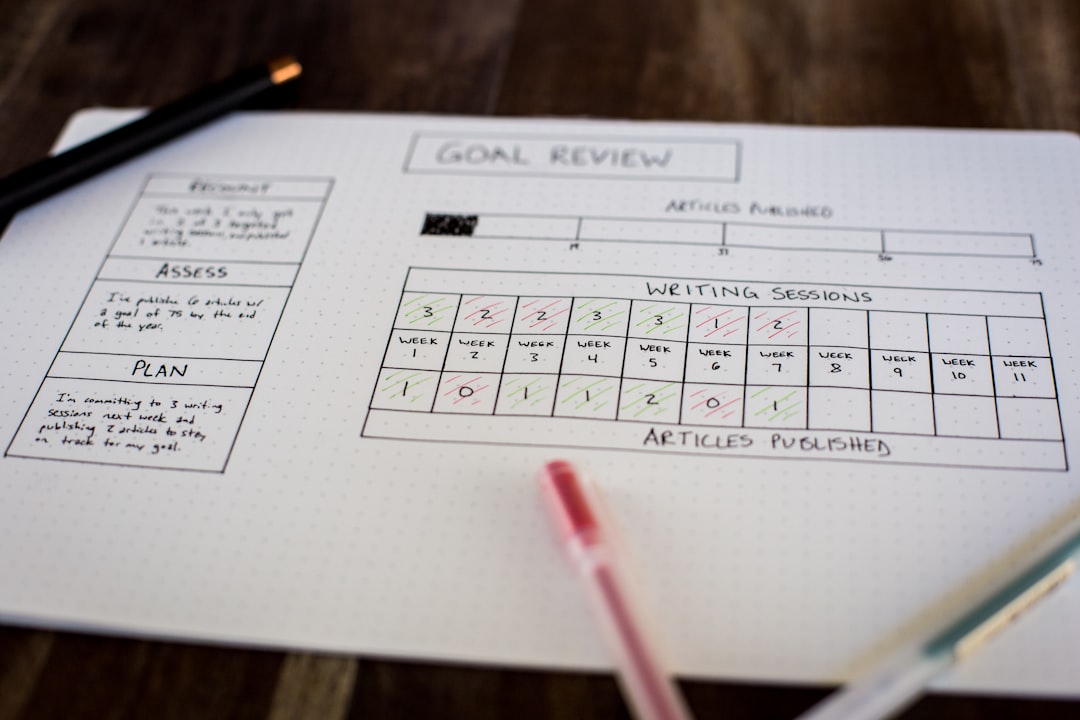
Step 1: Define Clear Objectives (Image Credits: Unsplash)
Business leaders often face the challenge of turning vague ideas into actionable strategies. A well-crafted plan outline provides clarity and direction, reducing overwhelm and enhancing execution. This approach ensures teams stay aligned while maximizing efficiency in competitive markets.
Step 1: Define Clear Objectives
Effective planning begins with precision. Leaders must articulate the primary goal of the plan, whether launching a product or expanding operations. This step sets the foundation by answering fundamental questions about desired outcomes.
Consider the scope and timeline early. Narrow focus prevents scope creep and keeps efforts targeted. Teams that start here report smoother progress, as everyone understands the endgame from the outset.
Step 2: Identify Key Components
Next, map out the essential elements required for success. Common sections include market analysis, resource needs, timelines, and risk assessments. This inventory reveals gaps before deep dives occur.
Prioritize based on relevance. For instance, financial projections take precedence in funding pursuits, while operational details suit internal projects. A thoughtful list streamlines the entire process.
Step 3: Organize Hierarchically
Structure emerges as the outline takes shape. Arrange components logically, using main headings for broad categories and subpoints for specifics. This hierarchy mirrors how the plan will unfold in practice.
Visual tools like bullet points or numbered lists aid comprehension. Such organization transforms raw notes into a navigable framework. Reviewers grasp the flow instantly, fostering buy-in.
- Main goal at the top
- Supporting strategies below
- Tactics and milestones nested underneath
- Dependencies linked across sections
Step 4: Flesh Out Details
With structure in place, add substance to each section. Include preliminary data, assumptions, and responsible parties. This layer bridges high-level vision with day-to-day actions.
Keep descriptions concise yet informative. Bullet points work well for tasks, while brief paragraphs suit explanations. Balance depth to avoid bloating the outline unnecessarily.
Assign ownership where possible. Clear accountability accelerates implementation and minimizes confusion later.
Step 5: Review and Iterate
Final polish comes through rigorous review. Share the draft with stakeholders for feedback on completeness and feasibility. Adjustments at this stage prevent costly revisions down the line.
Test against objectives: Does it align? Is it realistic? Iterate as needed, refining language for clarity. A strong outline withstands scrutiny and inspires confidence.
| Review Checklist | Key Questions |
|---|---|
| Alignment | Does it support main goals? |
| Clarity | Are sections easy to follow? |
| Completeness | Are risks and resources covered? |
- Start with objectives to anchor the entire outline.
- Use hierarchy and lists for readability and logic.
- Iterate with feedback to ensure practicality.
Mastering these steps equips any team to convert ambition into results. A refined plan outline not only organizes thoughts but also propels initiatives forward. What challenges have you faced in planning, and how might these steps help? Share in the comments.