

If you’ve ever walked into a thrift store on a Saturday, buzzing with the thrill of the hunt, only to leave empty-handed after a sea of other shoppers had already picked the racks clean, you’re not imagining things. The timing of your visit matters more than most people realize. There’s a whole strategy hidden inside the weekly rhythm of how thrift stores actually operate, and once you understand it, the game changes completely.
This isn’t just casual advice from a casual shopper. This is the inside view from someone who works behind the scenes, watching donations come in, watching inventory move, and watching which days produce the real treasures. The answer to when you should be showing up might genuinely surprise you. Let’s dive in.
The Secondhand Market Is Bigger Than You Think – and Getting Competitive Fast
Let’s start with something that puts all of this in perspective. The global secondhand apparel market reached $197 billion in 2023 and is projected to reach $350 billion by 2028, according to ThredUp’s annual Resale Report. That’s not a niche hobby anymore. That’s a massive, fast-moving industry.
The U.S. secondhand apparel market alone grew 14% in 2024, seeing its strongest annual growth since 2021 and outpacing the broader retail clothing market by five times. Think about that for a second. People are choosing used over new at a rate that would have seemed unthinkable a decade ago.
About six in ten U.S. consumers say shopping secondhand apparel gives them the most bang for their buck, making savings the most popular reason to shop secondhand. More shoppers with sharper eyes means the best items, especially designer labels, are disappearing faster than ever before. That’s exactly why timing your visit correctly is no longer optional.
Why Saturday Is Actually the Worst Day to Hunt for Designer Pieces

Here’s the thing most weekend thrifters never stop to consider. Saturday is the busiest day at nearly every thrift store in the country. More foot traffic equals more competition, and more competition means that coveted Kate Spade or vintage Levi’s jacket has already been snatched up before you even walk through the door.
Weekdays bring less crowding and fresh restocks from Monday through Wednesday, ideal for relaxed browsing and better selection. Weekends, especially Saturdays, are busier, though high turnover means new items appear throughout the day. But that turnover works against you on a Saturday. Other shoppers are circling just as fast as stock hits the floor.
Saturdays are bustling with activity more than ever as shoppers have time to thrift. While the energy is infectious and the turnover of items is high, the competition is equally fierce. Honestly, unless you are there right when the doors open, Saturday shopping for premium items is often a losing game.
The Real Secret: What Happens to Donations Over the Weekend

Most people drop off donations during busy weekends, and stores process these items early in the week. That’s the core mechanic driving everything. Think of the weekend as the donation intake period, and the early weekdays as the processing and placement window.
Homeowners tend to drop off garage sale leftovers on Sunday nights, making for new finds on Monday. Additionally, the weekends are more crowded shopping days, so employees look to restock early in the week to prepare the floor. It’s almost like clockwork at well-run locations.
Many people tend to clean out their homes over the weekend, resulting in high donation volumes. Thrift stores process these donations and put them out early in the week. Arriving Monday morning gives you the first chance at new items. That is not a coincidence. That is the system working exactly as designed.
Monday and Tuesday: The Sweet Spot You’ve Been Ignoring
Mondays and Tuesdays offer the best chance at fresh inventory. This timing makes perfect sense since most people drop off donations during busy weekends, and stores process these items early in the week. Shopping early in the week gives you first pick of quality items before other browsers discover them.
Tuesdays are often when a Goodwill store refreshes its inventory and rolls out new items that weren’t on shelves over the weekend. It is the perfect day to find a designer piece or unique item that just didn’t make it out on Monday. So if you can only pick one day, Tuesday morning is arguably as strong as Monday morning, and sometimes even better.
On early-week visits, shelves are fuller and items haven’t been picked over yet. It’s also less crowded than on weekends, giving you more time and space to browse. Staff are more likely to have restocked and organized the floor, giving you a clean layout and fresh inventory. That combination of freshness and calm is genuinely hard to beat.
Wednesday and Thursday Are Underrated Backup Options
Let’s be real: not everyone can take Monday or Tuesday off. Life gets in the way. But here is some genuinely good news. Midweek visits are not the consolation prize they might seem. Many stores add extra merchandise on Wednesdays and Thursdays to prepare for weekend shoppers. While Monday and Tuesday remain the best bets, these midweek options provide fresh finds in a more relaxed atmosphere.
Wednesday and Thursday can be great days to visit thrift stores. These midweek days often bring additional restocks to prepare for weekend shoppers. You might also find price drops on items that have been sitting for a while. Fewer people shop midweek, so the store is quieter, giving you more time to look carefully.
As the week winds down, Thursdays are worth a look. It is a great day to shop if you are looking for a calm and collected thrifting experience. The weekend crowd hasn’t started, and there is still plenty from the week’s donations to choose from. Think of Thursday as the quiet underdog that delivers more often than expected.
Morning Versus Evening: The Time of Day Also Matters
Once you have picked the right day, the time of day you walk in makes a real difference. Morning visits deliver first access to fresh finds. Most consignment stores restock before opening or during early hours, letting you browse untouched merchandise. Arriving when doors open, typically between 8 and 10 AM, gives you first pick of new inventory in cleaner, less crowded spaces.
Employees typically start bringing out new merchandise first thing in the morning, before foot traffic picks up. Stocking early allows employees to maneuver carts through the aisles without battling their way through crowds of shoppers. That early-morning window, especially on a Monday or Tuesday, is genuinely when the magic happens.
There is also a lesser-known evening advantage worth knowing about. Some Goodwill locations actually stage carts of new merchandise about an hour before closing. That way everything is ready for the morning stocking team. It is a sneaky window that most shoppers entirely overlook, and it can yield surprisingly good results on quieter weekday evenings.
Designer Items Move Faster Than Almost Anything Else on the Floor
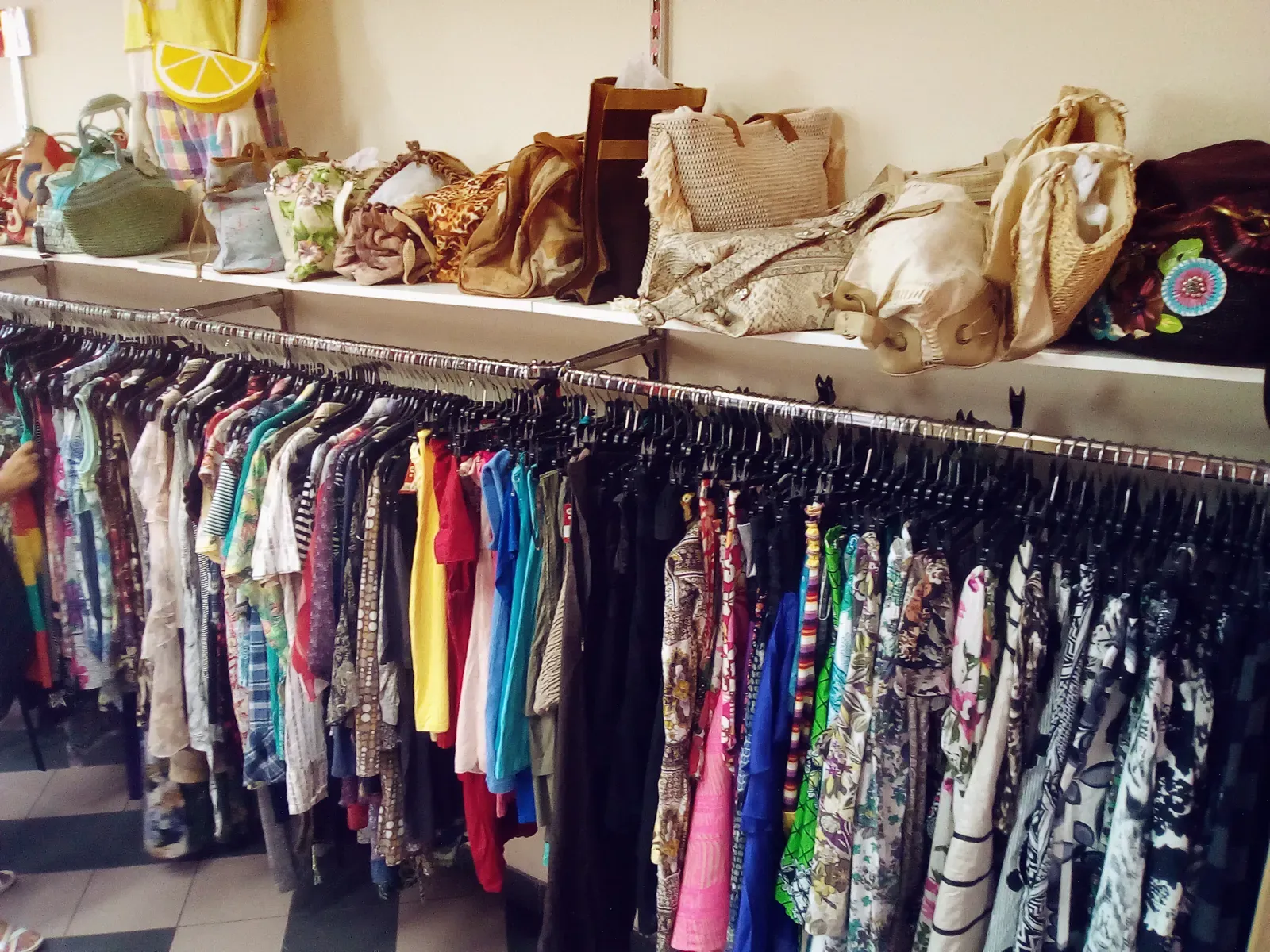
It’s hard to say exactly how fast a designer piece sells once it hits the rack, but industry experience and resale data both suggest the window is extremely narrow. The best items, such as designer labels or collectibles, fly off the shelves quickly. We’re not talking days. Sometimes it’s hours. Sometimes it’s less.
Some stores have boutique or select racks with curated high-end brands like Kate Spade or Banana Republic, priced higher but still a significant steal compared to retail. These curated sections are exactly where the competition heats up. Experienced resellers know to check them first.
Consumers plan to spend about a third of their apparel budget on secondhand in the next twelve months. Among younger generations like Gen Z and Millennials, that figure rises to nearly half. More budget shifting to thrift means more sophisticated shoppers hunting the same racks. Getting there on the right day, at the right time, is no longer a nice-to-have. It is essential.
Insider Moves That Give You a Real Edge

Beyond just picking the right day, there are a few tactical habits that separate casual thrifters from consistent finders. Building friendly relationships with employees yields valuable information about restocking schedules. Staff members might alert regular customers when sought-after items arrive or hold special pieces. Kindness toward employees frequently results in better service and insider knowledge about upcoming sales.
Stores sort, price, and put items on the sales floor according to staff and volunteer schedules. Big stores often process donations in waves, including a major midweek or early-week restock after weekend donations, followed by smaller restocks later in the week. Knowing which wave you are catching changes how you plan your visits.
Most consignment stores implement color-coded pricing systems. Each color represents how long items have been in stock, with older inventory receiving deeper discounts, sometimes up to half price. Stores often rotate these colors weekly or monthly, creating predictable savings opportunities. Understanding the tag system at your local store is, honestly, one of the most underused advantages available to any regular thrift shopper.
Thrifting for designer labels is not luck. It is timing, preparation, and a little bit of inside knowledge. The shoppers who consistently walk away with extraordinary finds are not just lucky. They show up on the right days, arrive early, know the staff, and understand how the system works. Now you do too. So, which day are you heading in this week?