
Your kitchen is supposed to be a place of nourishment, creativity, warmth. The spot where dinner comes together, where coffee happens before the world wakes up. So why does walking into it sometimes feel like walking into a wall of low-level dread?
Here’s the thing: most of us don’t connect the daily tension we feel to the actual objects surrounding us. We blame the long day, the work stress, the news cycle. Yet the kitchen, the most frequently used room in most homes, is quietly loaded with hidden anxiety triggers. Ones that even the tidiest-looking spaces can harbor. Let’s get into it.
1. The Overflowing “Junk Drawer” That You Keep Meaning to Sort
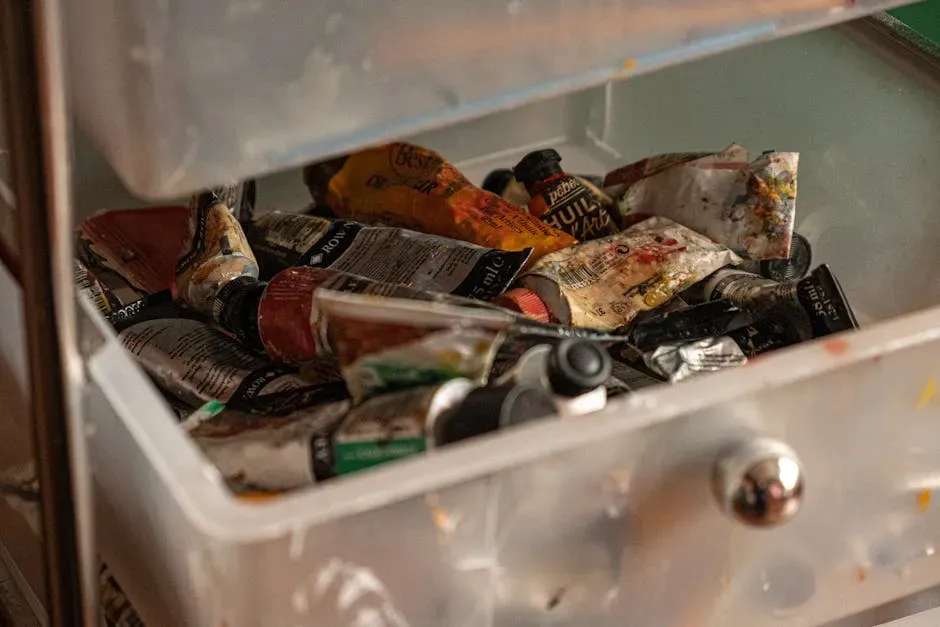
Honestly, most homes have one. That drawer you pull open, see the chaos inside, and immediately close again without finding what you needed. It feels harmless. A quick glance and you move on. Except your brain doesn’t quite move on.
When your environment is cluttered, your brain’s processing centers become overwhelmed by all the incoming signals. Neuroscientists have found that when there are multiple visual stimuli in front of you at the same time, those stimuli compete for neural representation in your visual cortex. A junk drawer is exactly that. A concentrated bomb of competing signals.
Researchers from the Princeton University Neuroscience Institute found that clutter in a visual field makes it harder for the brain to concentrate on a single task because it must process unnecessary information. This kind of mental traffic jam doesn’t just reduce productivity; it also increases stress levels without people realizing it. You open the drawer, see the mess, and your stress rises. Silently. Repeatedly. Every single day.
From overflowing entryways to chaotic pantries, these problem zones aren’t just unsightly; they also hinder productivity and create unnecessary stress. The fix doesn’t have to be dramatic. Sorting through that drawer once, giving everything a real home, breaks the cycle entirely. Think of it like closing a dozen tabs you forgot were open in the background of your mind.
2. Unused and Duplicate Kitchen Gadgets and Appliances
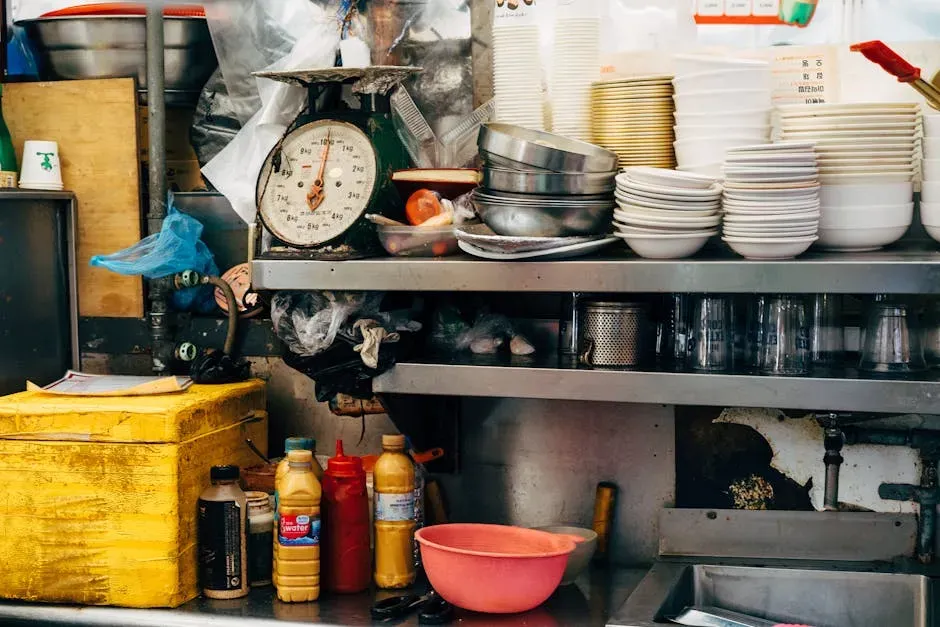
Let’s be real. We’ve all bought the spiralizer, the egg cooker, the avocado slicer. The intentions were great. The reality is they’ve lived in a cabinet for two years, untouched, taking up both physical and mental real estate. And that’s where the damage starts.
Kitchen gadgets often promise convenience, but many end up rarely used after the initial excitement fades. Items like single-purpose slicers, specialty peelers, or bulky appliances can quickly crowd drawers and cabinets without adding real value to your routine. Holding onto duplicates or underused tools reduces efficiency by making it harder to access the essentials you actually rely on. It also creates visual clutter, which can subtly increase stress while cooking.
Part of the reason why clutter feels overwhelming is that every item represents work that needs to be done and a choice that needs to be made. All these decisions create a type of cognitive overload known as decision fatigue. Imagine reaching for a spatula and having to navigate past four gadgets you’ve never used. That’s not just inconvenient. That’s a small but real drain on your nervous system, repeated dozens of times a day.
Between appliances that push updates and fridges interrupting mornings with notifications, the modern kitchen may feel like a major source of decision fatigue. Home cooks discover that a kitchen filled with high-tech solutions may create more mental clutter than it clears. According to a 2024 survey from Home Innovation Research Labs, over half of homeowners say kitchen clutter negatively impacts their mood on a daily basis. Pare down, and you will feel the difference almost immediately.
3. Expired Pantry Items Quietly Stacking Up on Your Shelves
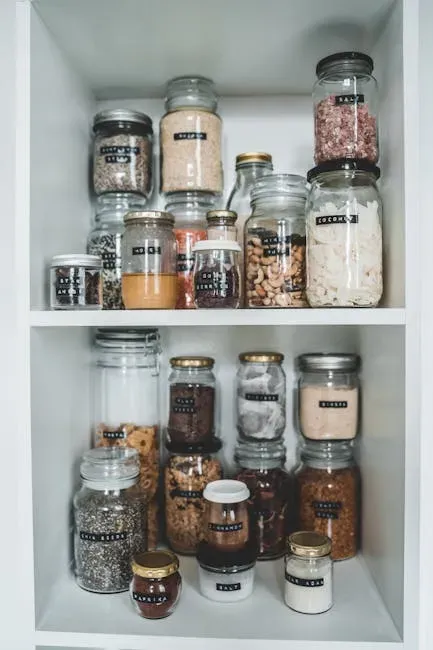
This one surprises people every time. The expired can of chickpeas at the back of the shelf isn’t hurting anyone, right? Not physically, perhaps. But emotionally and neurologically, it’s another story. A pantry stuffed with items you can’t use is one of the sneakiest clutter culprits in the whole house.
Expired pantry items often linger far longer than they should, quietly taking up valuable shelf space. While some dry goods may seem harmless past their dates, many lose flavor, nutritional value, and safety over time. Spices become dull, baking ingredients lose effectiveness, and oils can turn rancid without obvious warning.
Keeping expired items creates unnecessary clutter and makes it harder to locate fresh ingredients when cooking. It also increases the risk of accidentally using something that no longer meets quality or safety standards. There’s also the low-grade guilt. You bought something with good intentions and never used it. Now it just sits there, silently judging you every time you open the door. That guilt is a genuine stressor.
Refreshing your kitchen by clearing out expired food instantly creates a more organized and functional space. Decluttering your pantry makes meal planning easier and allows you to set up simple organizing zones like snacks, baking items, canned goods, and grab-and-go options. A 2023 study in Current Psychology confirmed that decluttering activities are directly associated with improved mental well-being and reduced anxiety symptoms over time. Start with one shelf. Seriously, just one.
4. Cluttered, Overcrowded Kitchen Countertops
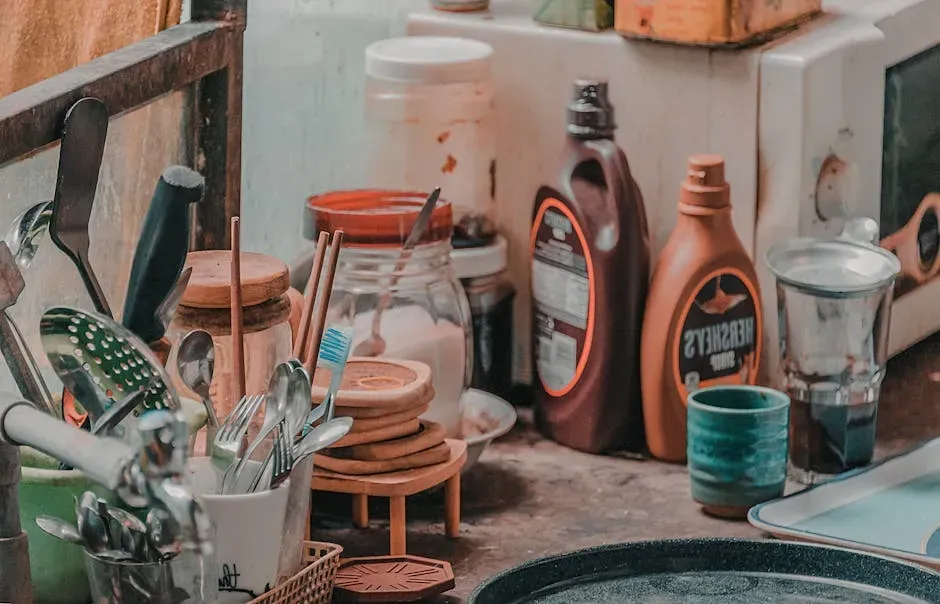
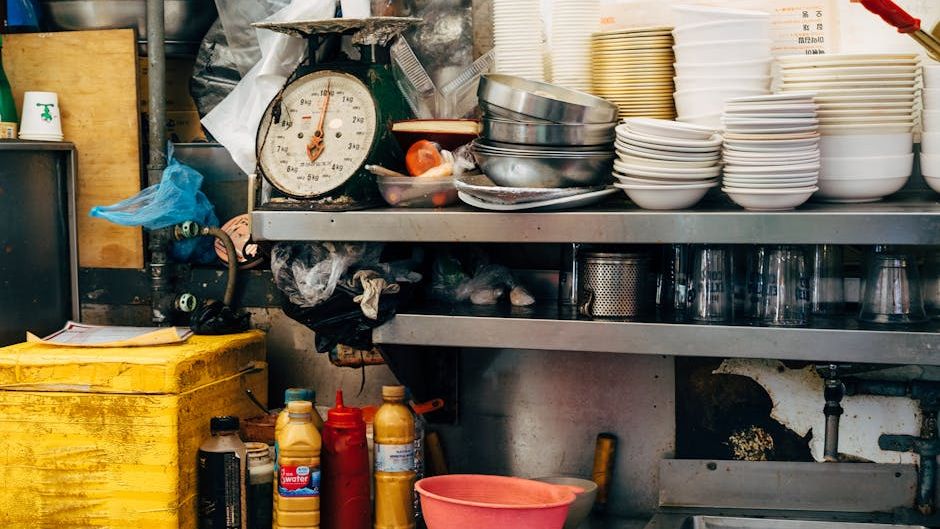
The countertop is the face of your kitchen. It’s what you see first thing in the morning when you walk in for coffee. It’s the last thing you look at before bed when you lock up. So if it’s buried under a toaster, a fruit bowl overflowing with browning bananas, mail, kids’ artwork, vitamins, and a coffee machine you keep meaning to move, that image is quietly setting the emotional tone of your entire day.
Visual overstimulation drains focus, making it harder to encode memories and regulate emotions. Studies from Princeton’s Neuroscience Institute reveal that disarray forces the visual cortex to process irrelevant items, leaving fewer neural resources for the task at hand. A crowded countertop is not just clutter. It’s a constant, low-level alarm signal to your nervous system.
A cluttered space can increase mental load and create competition for attention, affecting various aspects of life such as eating habits, productivity, and parenting decisions. Living in a chronically cluttered home environment can trigger a constant low-grade fight-or-flight response, adversely impacting both physical and psychological health. I think that last part is the one most people genuinely underestimate. Your body is responding to countertop chaos the same way it would respond to a mild threat. Not dramatic, but persistent. And persistent stress is the worst kind.
Researchers found that individuals in uncluttered environments were less irritable, more productive, and better able to process information compared to those in cluttered spaces. Research from UCLA’s Center on Everyday Lives and Families observed several middle-class families and found that women in cluttered homes had higher cortisol levels throughout the day compared to those in organized spaces. According to Statista, over three fifths of households report feeling overwhelmed by the amount of items in their home, especially in high-use spaces like kitchens. Clearing even a portion of your countertop, even just the section you use most, can create an immediate and measurable sense of calm.
The Bigger Picture: What Your Kitchen Is Really Telling You
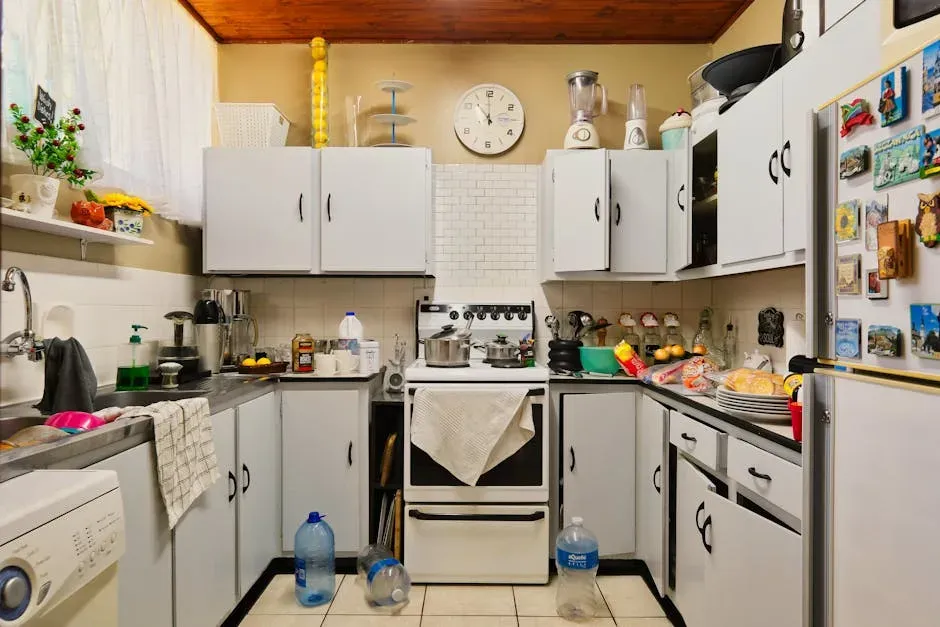
Here’s something worth sitting with. The anxiety you feel in your kitchen isn’t a character flaw. It’s a neurological response to a genuinely overstimulating environment. When you walk into a chaotic kitchen, your brain registers that disarray as a source of stress. It might not be a saber-toothed tiger, but your ancient fight-or-flight mechanisms still kick in. Over time, living in a state of chronic low-grade stress can contribute to anxiety, heightened cortisol, inflammation in the body and even depression.
Clutter can be a major source of stress. Studies have shown that disorganized environments can lead to increased levels of cortisol, making people feel overwhelmed and anxious. By creating clean, organized spaces, professional organizers help reduce mental clutter as well, promoting a sense of calm and control. The good news is that you don’t need to overhaul everything in one weekend. Small, targeted actions in the right places produce real, felt results.
A junk drawer sorted. A counter cleared. A pantry shelf purged of three-year-old spices. None of these are massive tasks. Yet together, they shift the entire emotional atmosphere of a room you live in every day. The kitchen is not just where food happens. It’s where a huge portion of your mental state is set. Treat it accordingly.
So, which of these four items did you immediately picture in your own kitchen the moment you read it? That’s probably where to start.