A Late-Night Dive into Tax Details (Image Credits: Upload.wikimedia.org)
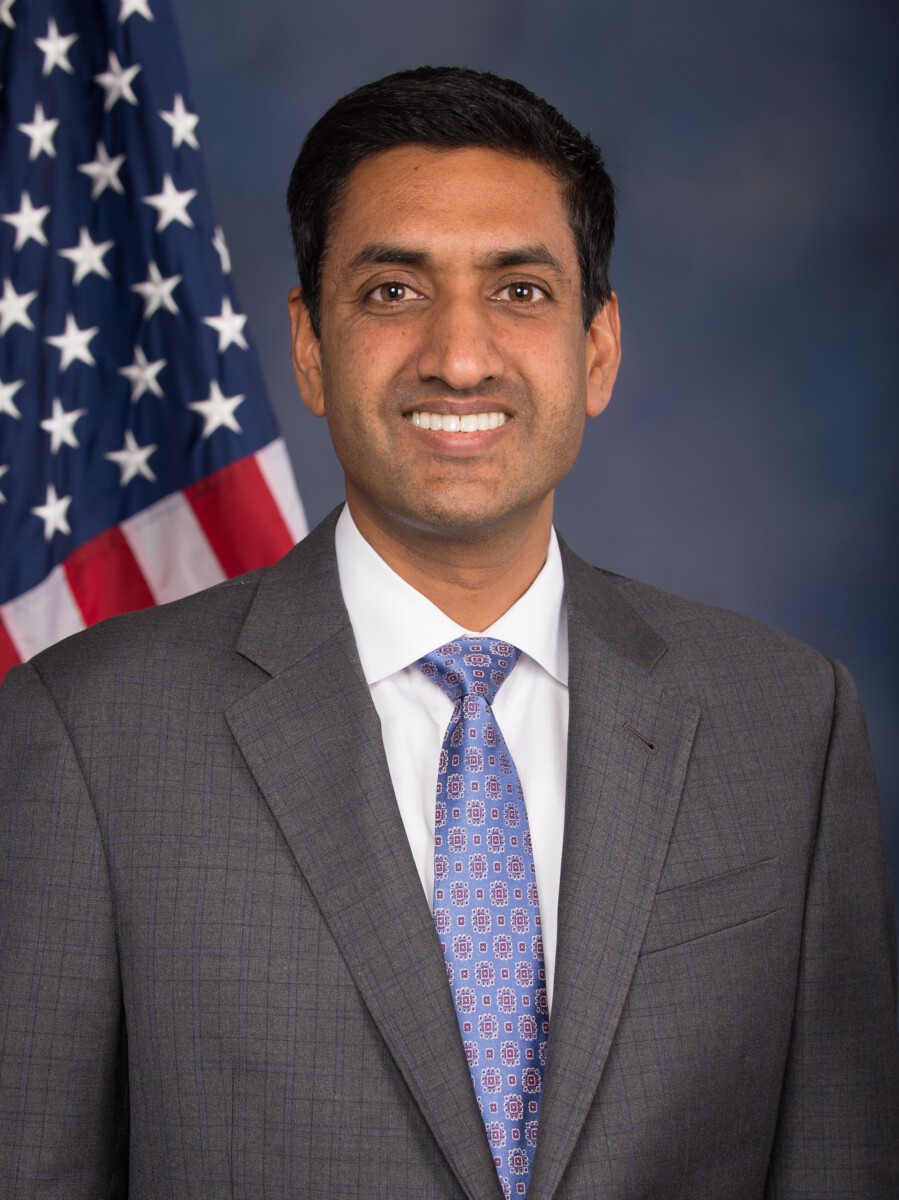
Silicon Valley Congressman Ro Khanna has positioned himself at the center of a heated debate over wealth inequality. His endorsement of a California ballot initiative imposing a one-time 5% tax on billionaires aims to bolster public education and counter federal healthcare funding reductions. The move has fractured relationships with influential tech figures once central to his political rise, yet it has also galvanized broader support within his district.
A Late-Night Dive into Tax Details
Tax law professor David Gamage fielded an unexpected late-night call from Khanna last year while dining out. The congressman sought clarity on the mechanics of the proposal, which scholars like Gamage had helped craft. Their discussion extended to text messages and a follow-up phone call, where Khanna raised pointed questions about its effects on individuals with wealth locked in illiquid assets, such as startup stock.
Gamage found the exchange unusually substantive. Most politicians, he noted, rarely probe so deeply into policy nuances. Khanna’s engagement highlighted his shift toward scrutinizing billionaire wealth amid growing public demands for fairness.
Tech Leaders Turn Against a Former Ally
Prominent Silicon Valley donors have mobilized against the initiative and Khanna himself. Former Google chair Eric Schmidt helped fund a super PAC opposing the tax, including a rival ballot measure. Y Combinator CEO Garry Tan and venture capitalist Ron Conway, past contributors to Khanna’s campaigns, now back Ethan Agarwal, a tech entrepreneur challenging Khanna in the primary.
Tan declared on X that Khanna had abandoned his district’s interests. Conway called for a representative focused on technology advancement. Agarwal, founder of fitness app Aaptiv and investor tools firm Coterie, portrays Khanna as having strayed from pro-business roots. Khanna’s team countered by highlighting Agarwal’s past legal issues, including settled disputes over intellectual property.
- Peter Thiel began severing California ties in response to the proposal.
- Google cofounders Larry Page and Sergey Brin relocated or shuttered dozens of companies out of state.
- Critics claimed the tax could force sales of voting shares, though experts dismissed these as misinformation.
- Khanna’s campaign saw $1.8 million from 30,000 small donations last quarter, surpassing prior periods.
From Tech Enthusiast to Inequality Fighter
Khanna entered Congress in 2017 as a bridge between Silicon Valley innovation and struggling regions. Raised near Philadelphia, he drew early inspiration from Barack Obama and embraced a “tech groupie” label during his 2014 campaign, backed by figures like Peter Thiel. He championed spreading tech prosperity, touring Appalachia and co-authoring op-eds with J.D. Vance on economic divides.
His support for the CHIPS and Science Act underscored this focus, aiming to boost semiconductors nationwide and create jobs. Yet public views on Big Tech soured, and billionaires veered rightward. Khanna’s book Progressive Capitalism advocated closing tax loopholes over direct wealth redistribution, but recent actions mark a pivot. He now co-sponsors a national annual billionaire tax with Senator Bernie Sanders.
Balancing Act Amid Elite Pushback
Khanna attributes billionaire anger partly to his role in releasing Jeffrey Epstein files, which he calls out as exposing an “Epstein class” of elites. This effort, alongside Republican Thomas Massie, deepened his resolve against impunity. A Harris poll showed 67% of Americans, and 79% of Democrats, viewing billionaires as eroding societal fairness in 2025.
Still, Khanna maintains ties across divides. He plans a Stanford appearance with Nvidia’s Jensen Huang and has engaged opponents like Reed Hastings and Reid Hoffman. Hoffman acknowledged Khanna’s commitment to evolving capitalism through contributions from the wealthy. Even critics like Vinod Khosla proposed federal capital gains hikes, crediting Khanna for sparking debate.
Key Takeaways
- Khanna’s tax support boosts grassroots funding but risks elite donor loss.
- The California measure addresses $30 billion annual Medicaid cuts from federal law.
- His national proposal with Sanders targets ongoing billionaire wealth taxation.
Khanna welcomes the controversy, insisting Silicon Valley’s future lies beyond a handful of billionaires. His district popularity remains high, and he dismisses challengers lightly. As primaries approach, this stance could redefine tech politics. What are your thoughts on taxing extreme wealth? Share in the comments.