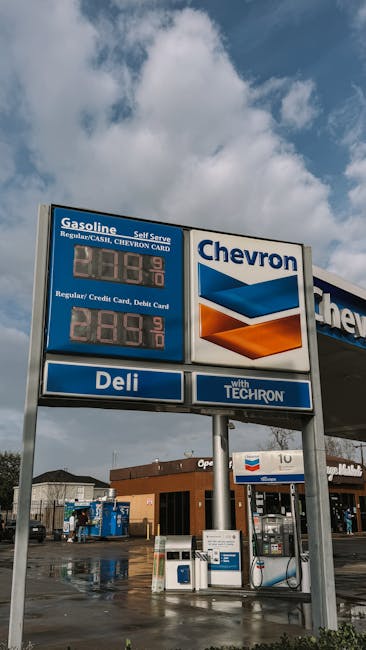
Markets Reel from Rapid Price Reversal (Image Credits: Pexels)
Global commodity markets experienced a seismic shift late Tuesday when the United States and Iran announced a conditional two-week ceasefire. The agreement, which includes the reopening of the vital Strait of Hormuz shipping lane, triggered an immediate plunge in oil prices and a surge in stock futures. Traders worldwide welcomed the de-escalation amid ongoing tensions from the recent conflict, though questions linger about the truce’s longevity.[1][2]
Markets Reel from Rapid Price Reversal
Benchmark crude prices had spiked to highs near $117 per barrel earlier in the week due to fears over disrupted Persian Gulf shipments. The ceasefire news reversed that trajectory in minutes. West Texas Intermediate crude futures sank more than 15% to around $95 per barrel, while Brent crude tumbled similarly to under $95.[3][4]
U.S. stock futures jumped over 2%, with Dow Jones contracts rising nearly 1,000 points in after-hours trading. Asian markets followed suit on Wednesday, reflecting broad relief across equities. Energy sector shares, however, faced pressure as the prospect of normalized supply diminished near-term scarcity premiums.[5]
Ceasefire Terms Emerge Amid High Stakes
President Donald Trump revealed the deal via social media shortly before an 8 p.m. deadline for escalated strikes. The U.S. agreed to suspend attacks on Iranian infrastructure for two weeks, contingent on Tehran fully reopening the Strait of Hormuz. Iran confirmed acceptance through its Supreme National Security Council, pledging managed passage for commercial vessels during the period.[6][7]
The waterway, through which roughly 20% of global oil flows, had been a flashpoint since hostilities intensified. Blockades and threats had constricted exports, fueling the price rally. This pause offers a window for diplomacy, with reports of a 10-point Iranian peace proposal under review.[8]
Broader Ripples Hit Energy and Economies
The oil rout provided instant relief to inflation-weary consumers and industries. Gasoline and diesel prices, which had climbed amid supply fears, now face downward pressure in coming weeks. European energy stocks dropped sharply, while airlines and manufacturers saw gains from lower fuel costs.[2]
Yet analysts cautioned that prices remain elevated compared to pre-conflict levels around $70-80 per barrel. Ongoing risks, including potential violations or regional spillover, could reverse gains quickly. Currency markets shifted too, with the U.S. dollar softening against majors.[9]
- Immediate 13-16% drop in major crude benchmarks.
- Stock indices in Asia up over 2% at open.
- Strait of Hormuz traffic expected to resume within days.
- Energy firms’ shares lag broader market rally.
- Consumer fuel relief anticipated in 7-10 days.
Fragile Truce Tests Long-Term Stability
Israel signaled adherence to the ceasefire but maintained operations in adjacent areas like Lebanon. Hezbollah expressed conditions for inclusion, adding layers of complexity. The two-week timeline sets the stage for substantive talks, potentially addressing nuclear issues and sanctions.[10]
Investors eyed the deal warily, with some futures trading reflecting bets on extension. Historical precedents suggest short truces often precede renewed volatility. Still, the market’s snap reaction underscored the conflict’s outsized influence on energy dynamics.[11]
| Benchmark | Pre-Ceasefire High | Post-Ceasefire Level | Change |
|---|---|---|---|
| WTI Crude | $117 | $95-96 | -15% |
| Brent Crude | $112 | $92-95 | -14% |
Key Takeaways
- Ceasefire hinges on Strait of Hormuz access, easing 20% of world oil flow.
- Prices still 30-50% above pre-war norms, signaling persistent risks.
- Global stocks rally, but energy sector bears the brunt of supply optimism.
This ceasefire marks a pivotal breather in a conflict that rattled supply chains and household budgets alike. While markets celebrate the respite, enduring peace demands swift progress in negotiations. What impact will this have on your fuel costs or investments? Share your thoughts in the comments.