Devices Facing the Cutoff: From 2007 Pioneers to 2012 Classics (Image Credits: Unsplash)
Amazon recently informed longtime customers that several of its earliest Kindle e-readers and tablets will soon lose key features. The change takes effect on May 20, 2026, when devices released in 2012 or earlier can no longer purchase, borrow, or download new content from the Kindle Store.[1][2] Owners of these models received emails detailing the shift, which has sparked discussions among dedicated readers who have relied on the hardware for up to 18 years. The move reflects the rapid evolution of e-reading technology while leaving loyal users to adapt.
Devices Facing the Cutoff: From 2007 Pioneers to 2012 Classics
Amazon’s decision targets a specific set of older hardware that defined early e-reading. These devices, now 14 to 18 years old, powered the initial wave of digital book consumption. Support ends precisely because the company views them as outdated amid ongoing tech advancements.[3]
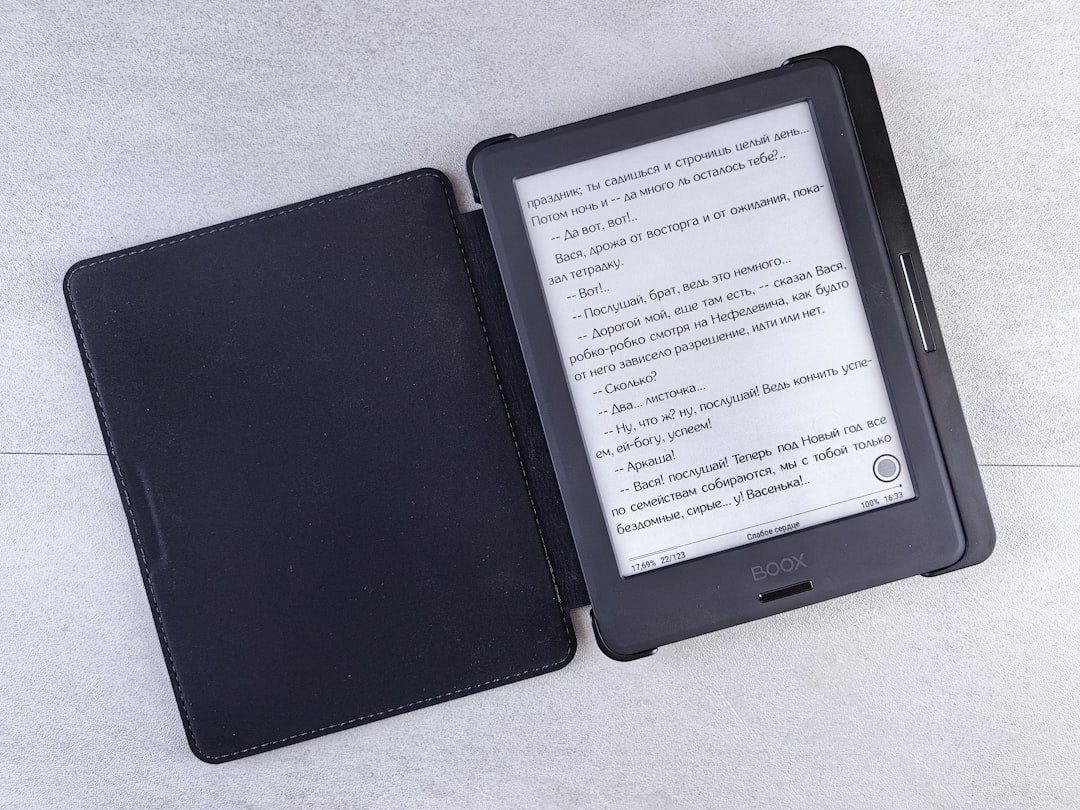
The full roster includes both e-readers and early Fire tablets. Users can check their model under device settings to confirm eligibility for the change. Existing libraries remain intact on the devices themselves.
| Model | Release Year | Type |
|---|---|---|
| Kindle 1st Generation | 2007 | E-reader |
| Kindle DX / DX Graphite | 2009-2010 | E-reader |
| Kindle Keyboard | 2010 | E-reader |
| Kindle 4 | 2011 | E-reader |
| Kindle Touch | 2011 | E-reader |
| Kindle 5 | 2012 | E-reader |
| Kindle Paperwhite 1st Gen | 2012 | E-reader |
| Kindle Fire 1st Gen | 2011 | Tablet |
| Kindle Fire 2nd Gen | 2012 | Tablet |
| Kindle Fire HD 7 | 2012 | Tablet |
| Kindle Fire HD 8.9 | 2012 | Tablet |
This lineup represents Amazon’s foundational efforts in digital reading, complete with physical keyboards and larger screens on some variants.[1]
Impacts on Daily Use: What Stops and What Stays
After May 20, affected Kindles will block new transactions through the store interface. Customers cannot buy books, borrow from libraries, or sync fresh downloads directly. Factory resets or deregistration will prevent re-registration entirely.[2]
However, core functionality persists for sideloaded or pre-existing content. Readers keep access to their full libraries via the Kindle app, web version, or compatible newer devices. Fire tablets retain app and service support outside the bookstore.[1] This setup ensures continuity for purchased titles across platforms.
- Read all previously downloaded books without interruption.
- Manually add content via USB or email sideloading.
- Manage libraries through modern apps or browsers.
- Avoid resets to preserve current setup.
Upgrade Push: Discounts and Incentives for Transition
Amazon sweetened the announcement with targeted offers for impacted owners. Eligible customers qualify for 20% off select new Kindles plus a $20 e-book credit, redeemable until June 20, 2026. The credit applies automatically post-purchase.[2]
Such promotions aim to ease the shift to current models boasting improved screens, battery life, and features like color displays. The company highlighted how far e-readers have advanced since 2007. Still, not all users feel compelled to switch immediately.
Reader Backlash and Practical Alternatives
News of the cutoff drew sharp reactions from Kindle enthusiasts. Many expressed dismay online, calling the timing abrupt despite the devices’ age. Critics labeled it a forced upgrade tactic, insisting the hardware remains reliable for basic reading.[4]
Sideloading emerges as a popular workaround. Users convert files to compatible formats and send them via approved email addresses or USB. This method bypasses store restrictions entirely. Communities shared tips to extend device life without new hardware.
Key Takeaways
- Support ends May 20, 2026, for 2012-and-earlier Kindles – no new store content.
- Existing books stay readable; sideloading keeps options open.
- 20% discount plus $20 credit incentivizes upgrades to modern devices.
As Amazon closes this chapter on its e-reading origins, longtime users confront a familiar tech reality: progress demands adaptation. Vintage Kindles served faithfully, but brighter futures await on newer screens. What do you think about the change – time to upgrade, or stick with sideloading? Tell us in the comments.