A Scorching Debut That Set the Stage (Image Credits: Unsplash)
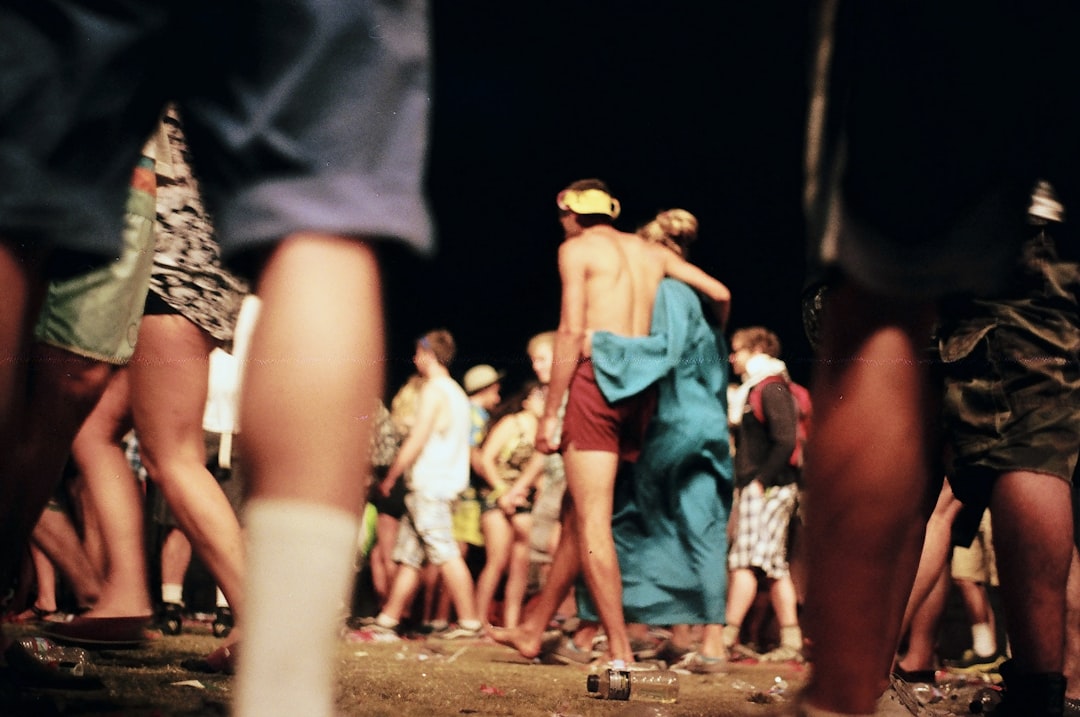
Indio, California – The Coachella Valley Music and Arts Festival emerged from the desert dust in 1999 as a bold experiment in music celebration. Organizers aimed to craft an antidote to chaotic events like Woodstock ’99, drawing just tens of thousands to the Empire Polo Club for raw performances under relentless heat.[1][2] Those early years captured unfiltered energy, free from the glow of smartphone screens and curated feeds. Attendees experienced history firsthand, building the festival’s legacy through word-of-mouth and print reviews.
A Scorching Debut That Set the Stage
The inaugural event unfolded over two days in October 1999, headlined by Beck, Tool, and Rage Against the Machine. Temperatures soared above 100 degrees Fahrenheit, testing the endurance of around 37,000 ticket holders who paid $50 per day.[3][2] Despite financial losses nearing $850,000 for promoter Goldenvoice, the festival earned praise for its diverse lineup and peaceful vibe. Acts like the Chemical Brothers and Morrissey filled the air with indie and electronic sounds, laying groundwork for future expansion.
No edition followed in 2000 amid industry saturation, but the hiatus only heightened anticipation. Organizers refined their approach, shifting to spring dates to dodge the summer blaze. This debut etched Coachella into festival lore as a haven for authentic artistry.
Reunions and Resilience Fuel Growth
Coachella roared back in April 2001 as a single-day affair headlined by Jane’s Addiction, drawing 32,000 fans despite ongoing losses.[1] The event stabilized operations after Goldenvoice’s acquisition by Anschutz Entertainment Group. By 2002, it expanded to two days with Björk as the first female headliner, her set backed by strings and harp delivering intimate power alongside Oasis and rising stars Queens of the Stone Age.[3]
Reunions became a hallmark in 2004 when the Pixies took the stage for their first show since 1992, right before Radiohead. Crowds sang along to classics like “Here Comes Your Man,” propelling attendance past 100,000 for the first sellout.[4][2] That same year, The Flaming Lips’ Wayne Coyne crowd-surfed in a massive transparent bubble, injecting whimsy into the proceedings. These moments solidified Coachella’s reputation as America’s premier festival, per Rolling Stone acclaim.
Spectacle Ignites: EDM and Star Turns Emerge
Daft Punk redefined electronic music in 2006 with a pyramid-shaped LED stage in the Sahara Tent, transforming 10,000 rock fans into ravers.[4] Their mashup set lit up the desert night, foreshadowing EDM’s dominance. Contrast arrived earlier that day with Madonna’s delayed, abbreviated Sahara performance of just six current tracks, a rare misfire amid overflowing crowds.[3]
Prince swooped in during 2008 as a last-minute Friday headliner, delivering hits and a stunning eight-minute cover of Radiohead’s “Creep” to rescue ticket sales.[4] M.I.A. sparked chaos in the same tent, inciting fans to storm the stage and climb girders in a frenzy of genre-blending rap.[4] The festival stretched to three days in 2007, headlined by Red Hot Chili Peppers, a reunited Rage Against the Machine, and Björk’s return.
Legends Cement a Legacy
Paul McCartney closed 2009 with a three-hour singalong for 90,000, defying curfew by 54 minutes at a steep fine, creating communal magic with “Hey Jude.”[3] Earlier reunions like Bauhaus in 2005 and Iggy Pop with the Stooges added punk edge. These pre-social media spectacles relied on live immersion, fostering organic buzz.
- 1999’s anti-Woodstock ethos prioritized peace and diversity.
- Pixies’ 2004 reunion marked the first major sellout.
- Daft Punk’s 2006 pyramid shifted festival paradigms.
- Prince’s 2008 “Creep” cover became instant folklore.
- McCartney’s 2009 overtime evoked timeless unity.
Key Takeaways
- Early Coachella thrived on risk, from financial gambles to weather battles.
- Reunions and surprises built a foundation for global stardom.
- Unfiltered experiences defined an era before digital documentation.
Coachella’s formative decade transformed a desert gathering into a cultural juggernaut, proving music’s power to unite without viral validation. Those raw encounters remind us of the festival’s enduring spirit. What early moment stands out most to you? Share in the comments.