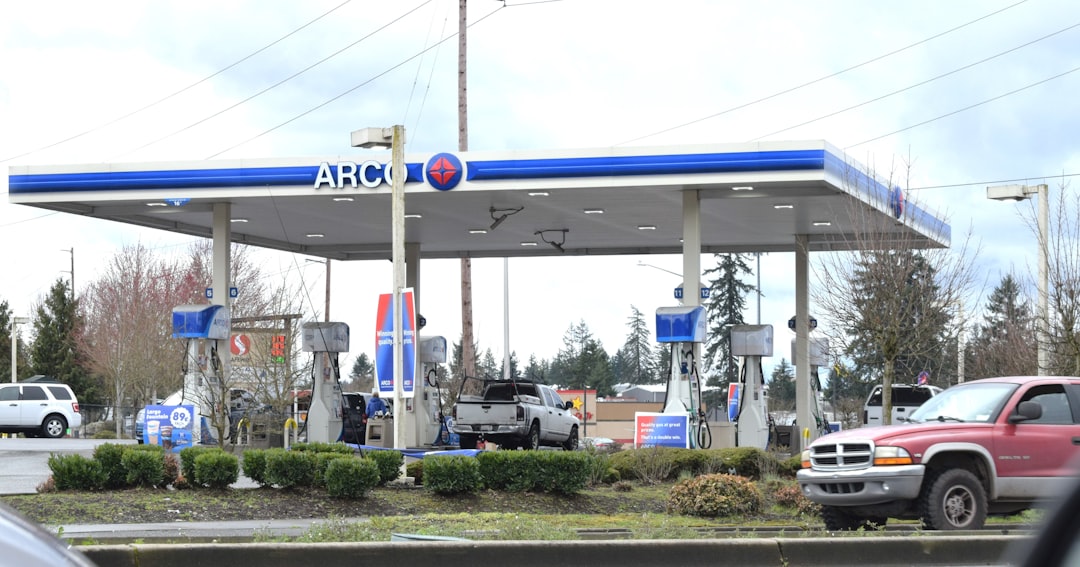
Gasoline Surge Redefines Inflation Landscape (Image Credits: Unsplash)
A surge in gasoline prices triggered by the Iran conflict propelled U.S. consumer prices upward at the fastest monthly pace in nearly four years during March. The Labor Department reported this escalation on Friday, highlighting vulnerabilities in household budgets amid geopolitical tensions. Economists now scrutinize whether this shock will embed itself into broader price pressures or prove temporary.
Gasoline Surge Redefines Inflation Landscape
Gasoline prices rocketed nearly 40% nationwide since the onset of the Iran war, averaging $4.15 per gallon by Friday according to AAA data. This marked the largest monthly jump in six decades and directly fueled a 0.9% rise in overall consumer prices from February to March. Households felt the pinch immediately, as higher fuel costs eroded purchasing power for essentials like groceries and housing.
Annual inflation climbed to 3.3% in March from 2.4% the prior month, the steepest yearly gain since May 2024. Core inflation, stripping out food and energy fluctuations, edged up to 2.6% year-over-year, with a modest 0.2% monthly increase. These figures captured the war’s initial economic ripples for the first time.
Energy Shock Echoes Through Daily Expenses
Disruptions in the Strait of Hormuz, a vital artery for global oil flows, persisted despite a fragile ceasefire. Millions of barrels typically transit this chokepoint daily, and any impasse amplifies price volatility. Michael Pearce, chief U.S. economist at Oxford Economics, described the situation as a “short, sharp shock” rather than a prolonged crisis like the 2022 Ukraine invasion aftermath.
Grocery prices dipped 0.2% last month and rose only 1.9% from a year earlier. Yet analysts anticipate upward pressure ahead, as elevated diesel costs inflate shipping expenses across the food supply chain. Andy Harig, vice president at FMI-The Food Industry Association, noted that surging energy expenses elevate production and delivery costs for food items.
| Category | Monthly Change (March) | Yearly Change |
|---|---|---|
| Gasoline | +39.6% | N/A |
| Groceries | -0.2% | +1.9% |
| Clothing | +1.0% | +3.4% |
| Used Cars | -0.4% | -3.2% |
Federal Reserve Faces Renewed Pressure
The inflation uptick distances headline figures further from the Fed’s 2% target, prompting likely delays in interest rate cuts. Policymakers may prioritize core metrics, which show restrained growth, over volatile energy swings. Higher gas costs complicate the central bank’s dual mandate, as they curb consumer spending and risk economic slowdowns.
Unlike the post-pandemic era, current conditions lack rampant demand fueled by stimulus or wage spirals. Unemployment holds steady at 4.3%, but hiring enthusiasm has waned. Alan Detmeister, an economist at UBS, contrasted this with 2021-2022, when robust income growth amplified price hikes: “We aren’t seeing anywhere near the strength of demand.”
Political and Consumer Sentiments Shift
Visible pump prices amplify public frustration, with six in 10 Republicans voicing concerns over affordability in recent AP-NORC polling. Pre-war discontent over living costs already simmered, and this spike threatens midterm prospects for the president’s party. Consumers brace for stretched budgets, particularly lower- and middle-income families.
Economists draw parallels to the 1990-91 Gulf crisis, where oil shocks coincided with recessionary pressures but spared runaway inflation due to subdued spending. The Iran episode mirrors tariff effects in its dependency on duration and scale. Pearce predicts escalation into April before potential easing later in the year.
Key Takeaways
- Gas prices jumped 40% post-Iran war, driving 0.9% monthly CPI rise – the largest in four years.
- Core inflation remains tame at 2.6% yearly, signaling limited spillover risks.
- Fed likely holds rates steady, monitoring for broader price embedding amid fragile ceasefire.
This inflation jolt underscores energy markets’ sway over everyday economics, even as underlying trends stay resilient. Will the ceasefire hold and temper the surge, or prolong household strains? Share your thoughts in the comments below.