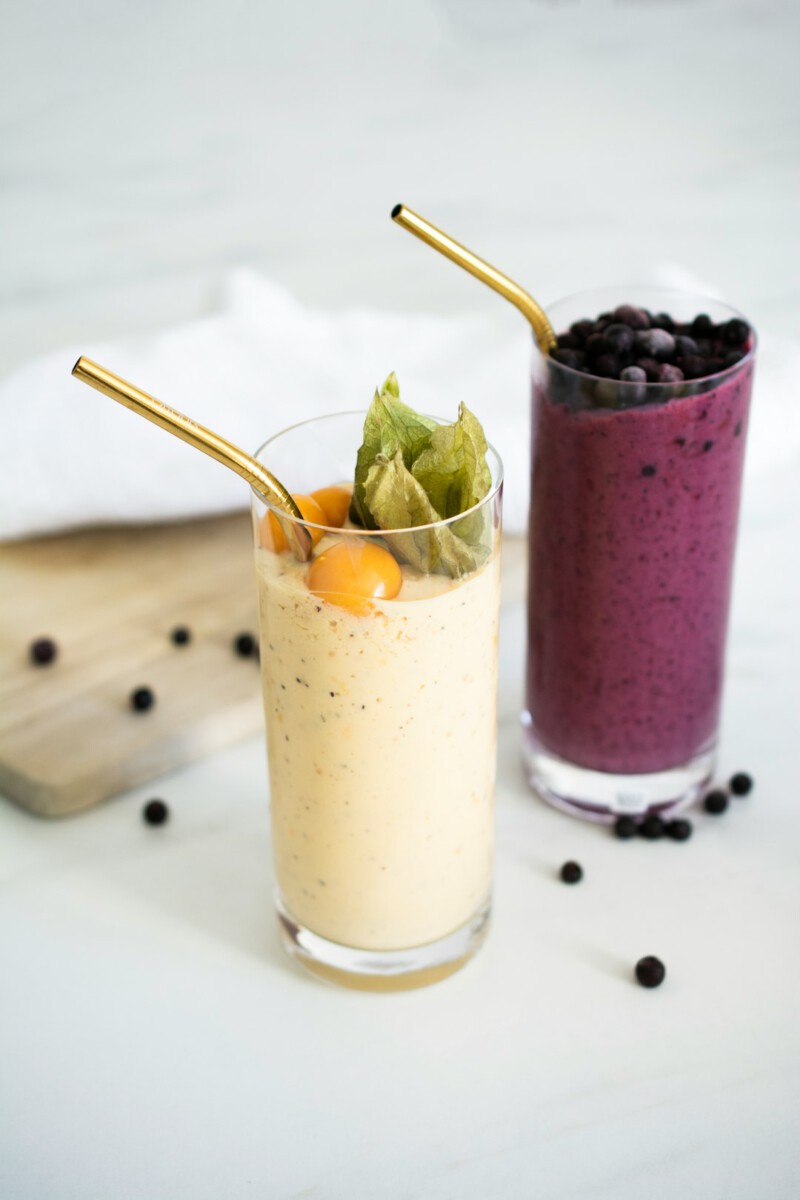
Erewhon’s Meteoric Rise Defies Broader Cutbacks (Image Credits: Unsplash)
Consumers across the United States pulled back on restaurant meals, postponed car buys, and hunted for grocery bargains as affordability concerns mounted. Consumer confidence plunged to its lowest levels in more than a decade, according to data from The Conference Board. Yet amid this caution, upscale grocer Erewhon thrived by selling $22 smoothies packed with exotic ingredients. The chain’s expansion underscored a striking divide in spending habits.
Erewhon’s Meteoric Rise Defies Broader Cutbacks
Erewhon posted sales of $1,800 to $2,500 per square foot, dwarfing the performance of average U.S. supermarkets by up to fivefold. The Los Angeles-based retailer launched three new locations in 2025, marking its largest growth spurt since 2011. These smoothies featured premium elements like sea moss gel, adaptogenic mushrooms, and collagen peptides, often branded with celebrity endorsements.
This success mirrored a larger surge in the specialty food sector. The market exceeded $219 billion, reflecting nearly 150% growth over the past decade per the Specialty Food Association. That pace far outstripped the 47% rise in total U.S. grocery sales during the same timeframe.
Compensatory Consumption Echoes Historic Patterns
After the September 11 attacks, lipstick sales climbed 11%, prompting Estée Lauder Chairman Leonard Lauder to dub it the “lipstick index.” Shoppers turned to affordable indulgences when major purchases seemed unattainable. Consumer psychologists described this as compensatory consumption, where individuals reclaim a sense of agency through smaller luxuries.
Food emerged as a prime outlet today. It offered sensory pleasure, emotional resonance, and social visibility. Unlike distant dreams like wellness retreats costing hundreds, a $22 drink remained within reach. Market research from Circana showed premium items gaining market share even as shoppers shifted to store brands elsewhere.
Virtue Signaling Transforms Indulgence into Investment
Modern premium foods carried an extra appeal: built-in justification. Erewhon offerings emphasized organic sourcing and health benefits, reframing extravagance as self-care. Tinned fish boards at $12 or craft chocolate bars priced $8 to $12 positioned themselves as sustainable choices rather than mere treats.
This “virtue coding” eased guilt during financial strain. Studies indicated consumers required rationales for pleasures, and wellness narratives provided them seamlessly. Single-estate olive oil or superfood blends became symbols of intentional living, not frivolity. Social media trends amplified the shift, with creators showcasing these items as everyday rituals.
Social Feeds Fuel the Premium Food Flex
Platforms like TikTok turned meals into performances. A YouTube video of an Erewhon haul by creator @KarissaEats garnered over 14 million views. Posting a smoothie sip broadcasted values like mindfulness and quality without the backlash of flaunting handbags.
Though wealthier households drove much of the spending, the trend transcended pure affluence. Traditional luxury faltered – LVMH’s fashion profits dropped 13% in 2025 – while food flourished. Food prices had risen nearly 30% since 2019, exceeding the 23% overall consumer price increase tracked by the Bureau of Labor Statistics.
Key Takeaways
- Specialty foods grew 150% in a decade, triple the pace of regular groceries.
- Compensatory buying seeks control through accessible, virtue-laden treats.
- Social media doubles consumption: once in the body, once online.
The $22 smoothie revealed more than taste preferences; it highlighted a universal drive for stability when larger forces loomed uncontrollable. Wealth gaps widened the access, but the impulse touched many. What small splurges have you noticed in your own routine? Share your thoughts in the comments.