
Picture a speck of land in the vast Bay of Bengal, shrouded in mystery and ringed by turquoise waters that hide deadly secrets. This isn’t some lost paradise from a pirate tale – it’s real, patrolled by armed guards, and off-limits to everyone. Tribespeople there greet intruders with arrows, and even in 2026, satellite glimpses are all we get.[1][2]
Why the lockdown? It boils down to protecting a way of life untouched by the modern world, but the stories of failed visits will chill you. Let’s uncover the layers of this enigma, one revelation at a time.
A Remote Jewel in India’s Andaman Chain
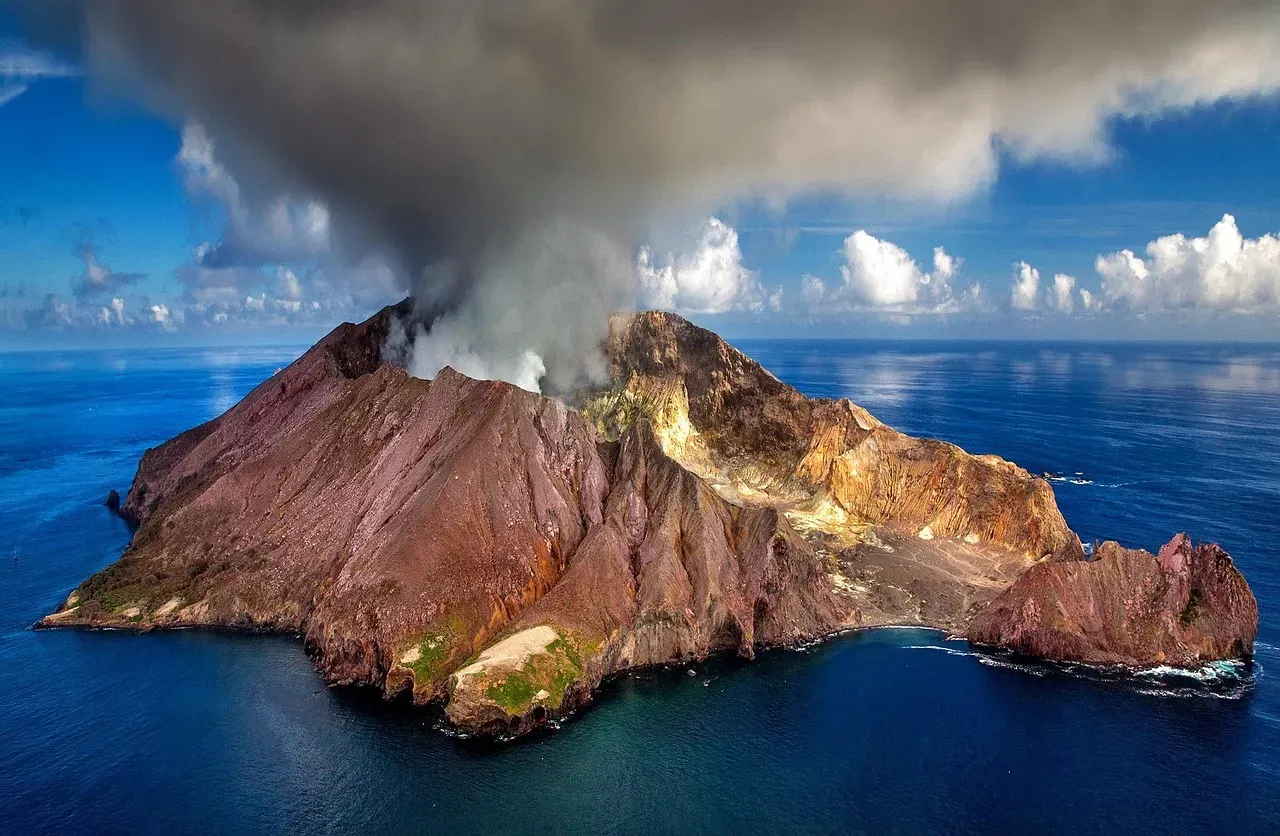
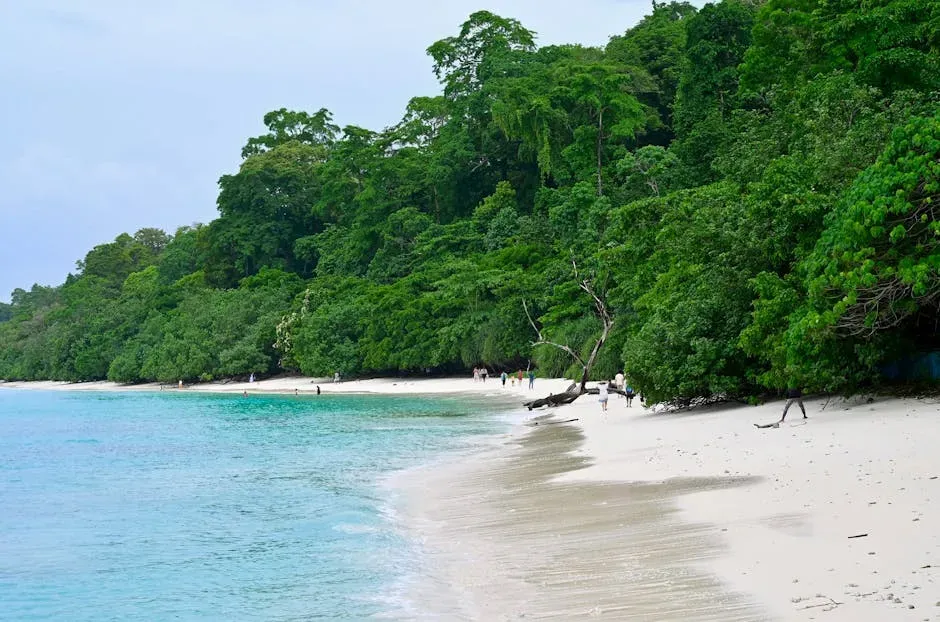
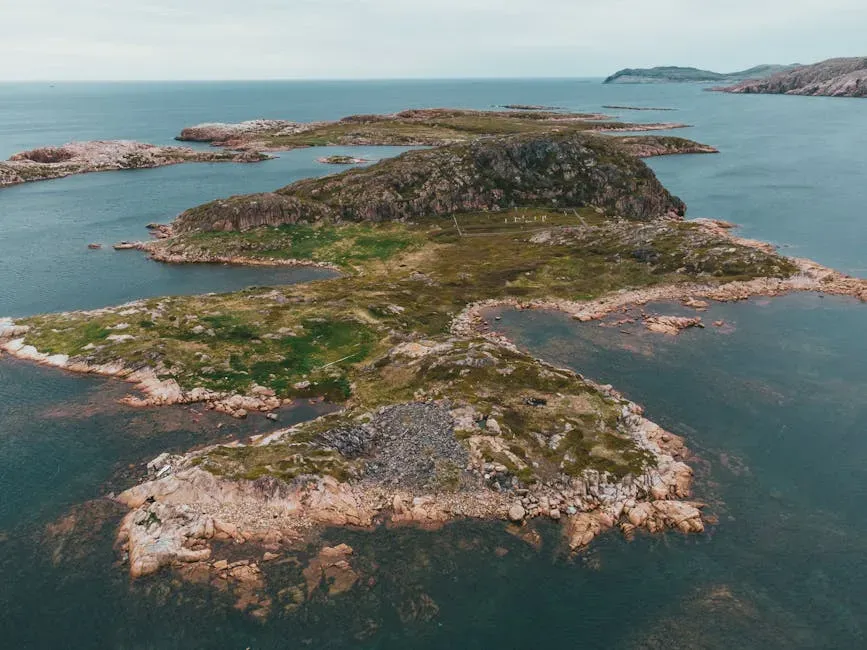
North Sentinel Island sits among the Andaman and Nicobar Islands, roughly the size of Manhattan, covered in dense rainforest. No roads, no ports – just huts on stilts and canoes skimming shallow lagoons. It’s part of India’s territory, yet feels worlds away from bustling ports nearby.[1]
Fishermen skirt its reefs, but poachers tempt fate for lobster and turtles. Recent satellite footage from 2026 shows thriving clearings, hinting at a healthy population amid the greenery.[3] Honestly, staring at those images, you wonder how anyone survives so cut off.
The Sentinelese: Hunter-Gatherers Frozen in Time
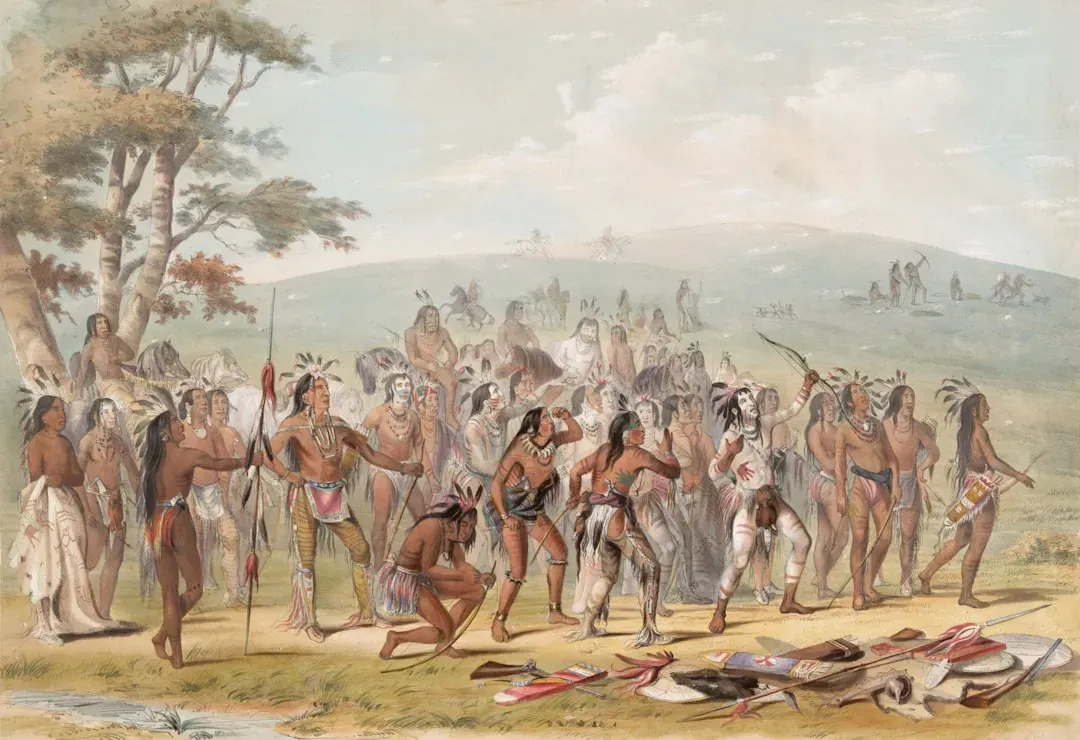
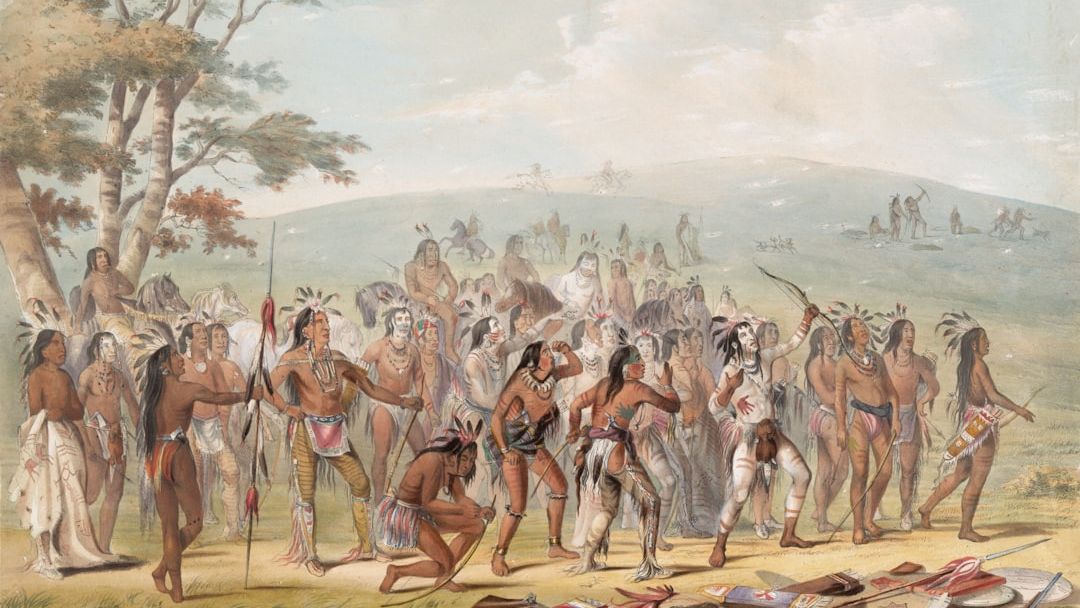
These folks, the Sentinelese, live as nomads, spearing pigs, fishing crabs, and gathering honey without planting a single seed. They craft bows from island wood, sharpen arrows with salvaged metal from old wrecks, and paddle slim outriggers. Men and women alike sport fiber belts and ornaments, their dark skin marked by the sun.[2]
Estimates peg their numbers between 50 and 200, spread in three family groups under big leaf-roofed huts. Observations catch kids playing and pregnant women, signs they’re holding strong. It’s like peeking into prehistory, right in our backyard.
Origins Lost to the Mists of Migration
They likely arrived 60,000 years ago, descendants of early humans who rafted from Africa. Related to nearby Jarawa and Onge tribes, but their language baffles everyone – no outsider has learned it. Isolation bred unique traits, maybe even shorter statures from island life.[2]
No agriculture, no fire-starting tricks beyond basics; they thrive on what’s there. Shipwrecks provide iron for tools, traded sneakily with outsiders long ago. Crazy to think they’ve dodged empires and pandemics for millennia.
The 1956 Law That Sealed the Deal
India’s Andaman and Nicobar Islands Protection of Aboriginal Tribes Regulation hit in 1956, declaring the island a tribal reserve. No one can approach within five kilometers, or three nautical miles, to shield them from outsiders. This predates 1964, but enforcement ramped up as contacts soured.[4]
Even anthropologists halted gift drops by the 1990s after risks piled up. The policy? Eyes-on, hands-off – patrols watch, but no meddling. It’s held firm into 2026.
Disease: The Silent Killer They Fear Most
Uncontacted tribes like these lack immunity to flu, measles, you name it – one cough could decimate them. Neighboring Andamanese groups crashed 85 to 99 percent after outsiders arrived. That’s why India’s hands-off rule is non-negotiable; even a friendly hello spells doom.[1]
Post-2004 tsunami flyovers confirmed survivors, no epidemics. Recent intruders like a 2025 visitor left cola – pure recklessness. Let’s be real, good intentions don’t mix with germs here.
Hostile Greetings from the Shore
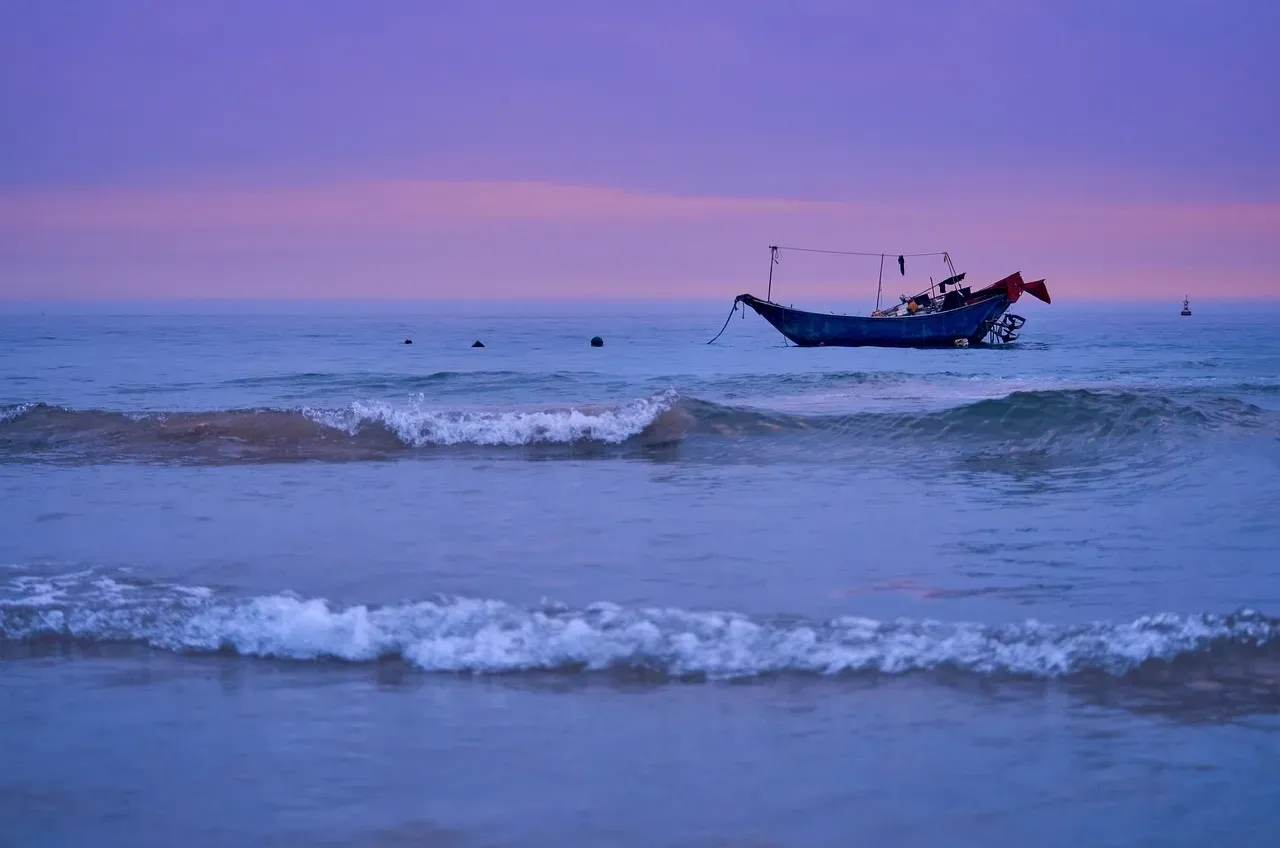
Sentinelese fire arrows at boats, burying bodies of the unlucky. They’ve repelled British raiders since 1867, Japanese in WWII, and modern fishermen. It’s defense, not savagery – their island, their rules.[2]
Rare friendly moments, like 1991 coconut swaps, faded fast. By 1996, even official drops stopped amid attacks. You can’t blame them; history taught hard lessons.
Deadly Clashes That Shaped the Ban
In 2006, two Indian fishermen drifted ashore overnight – their bodies pinned with arrows, unrecoverable. American missionary John Allen Chau met the same fate in 2018, shot during conversion bids. These tragedies underscore why patrols circle relentlessly.[1]
No remains retrieved, respecting the tribe’s space. Each event tightens the no-go zone. Shocking how consistently they guard their turf.
Patrols and the Buffer Zone in Action
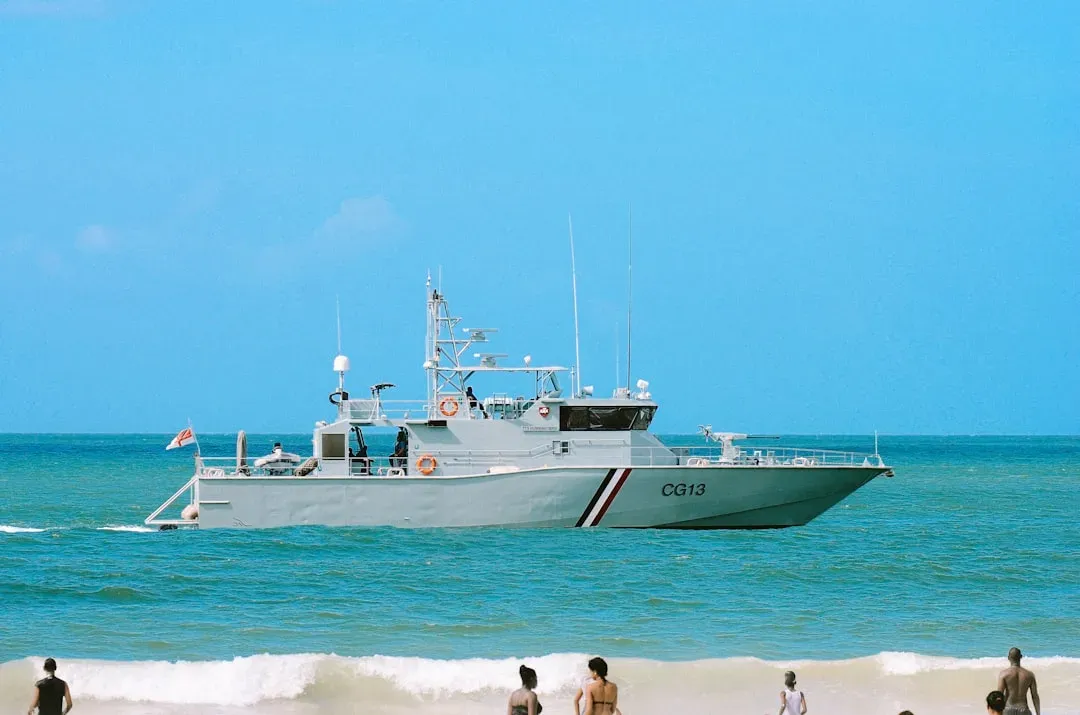
Indian Navy and Coast Guard boats enforce the five-km exclusion daily, chasing poachers and thrill-seekers. In 2018, North Sentinel got dropped from tourist Restricted Area Permits, but core protections stayed ironclad. Drones and satellites monitor without intrusion.[4]
Poaching for sea cucumbers persists as a headache. Yet the system works – tribe stays healthy. Impressive dedication for such a tiny spot.
2025: Another Foolhardy Landing

American Mykhailo Viktorovych Polyakov sneaked ashore in March 2025, dropping a Coke and coconut before fleeing. Arrested soon after, he faced charges for risking disease spread. Police called it a blatant violation, echoing Chau’s folly.[1][5]
No tribe spotted, but the stunt spotlighted ongoing dangers. Influencers beware – the law bites back. What drives these risks?
Peering In Via Satellites in 2026
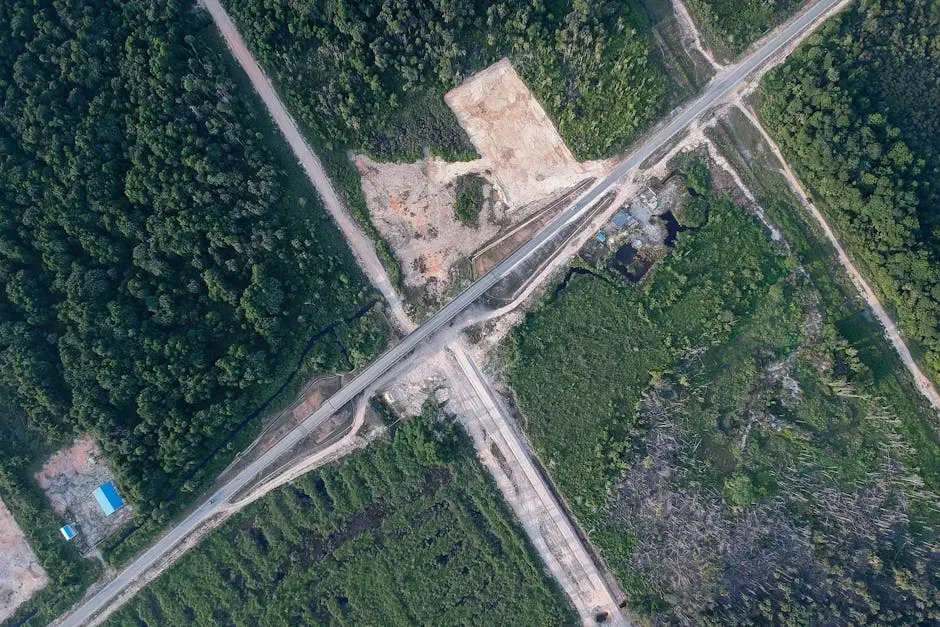
New 2026 footage reveals huts, paths, and activity clusters, estimating dozens strong. No signs of distress, just daily life in the canopy. This tech lets us check without harm, honoring their wishes.[3]
Threats loom from nearby mega-projects on Great Nicobar, but for now, isolation endures. The Sentinelese choose solitude – we respect it. Their story reminds us some mysteries stay unsolved.