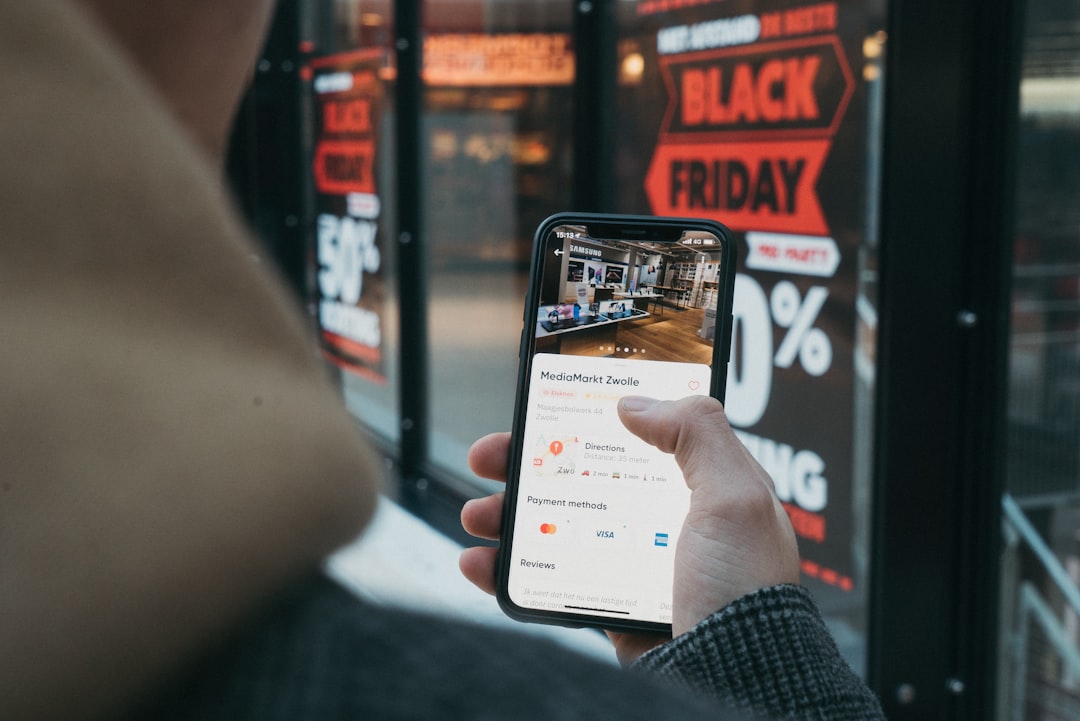
Whatnot’s Meteoric Rise Redefines the Category (Image Credits: Unsplash)
Live shopping once drew skepticism as a flashy but fleeting experiment in e-commerce. Visionary founders have since redefined the space by fusing high-energy entertainment with streamlined operations, creating platforms that deliver consistent sales growth. This evolution positions live commerce as a cornerstone for brands and sellers seeking scalable income streams in a competitive digital market.
Whatnot’s Meteoric Rise Redefines the Category
Grant LaFontaine and Logan Head launched Whatnot in 2019 after pivoting from a broad marketplace idea to focus on Funko Pop collectors.[1] Their breakthrough came during an early livestream test, where LaFontaine sold $5,000 worth of products in just 2.5 hours, validating the format’s potential to blend real-time interaction with urgent buying.[1] The platform quickly expanded into live auctions across categories like sneakers, fashion, and sports memorabilia, crossing $3 billion in sales by 2024.[1]
Whatnot now boasts a $11.5 billion valuation following a $225 million funding round in October 2025.[1] Sellers report transformative results, with the platform facilitating over $3 billion in live sales in 2024 and projecting $6 billion for 2025.[2] LaFontaine described the experience as “the best in-store shopping experience, but online,” emphasizing how livestreams recreate authentic retail connections through chat, bids, and host engagement.[3]
Strategic Fusion of Fun and Functionality
Successful founders prioritize entertainment to captivate audiences while enforcing operational rigor to convert viewers into buyers. Whatnot exemplifies this by verifying product authenticity, offering one-click shipping, and enabling interactive features like real-time bidding and chat-driven giveaways.[2] These elements build trust and community, with users spending about 80 minutes daily in the app and purchasing an average of 12 items weekly.[2]
Liana Satenstein of Neverworns applied a similar approach, evolving her Instagram Live interview series into full live shopping events starting in December 2024.[4] She streams on Substack to sidestep high platform fees, using creative tactics like handwritten URLs on whiteboards and Venmo prompts during shows featuring acapella performances and surprise giveaways.[4] This quirky discipline has positioned Neverworns as a partner for brands like Banana Republic.
- Authenticity checks and fraud prevention foster buyer confidence.
- Community tools, such as referral programs and rewards tiers, encourage repeat engagement.
- Efficient logistics, including automated shipping labels, minimize seller friction.
- Host training emphasizes personality over perfection, making the format accessible.
- Niche focus initially, then category expansion, sustains momentum.
Sellers Reap Millions from Livestream Momentum
Individual entrepreneurs thrive on these platforms, turning hobbies into full-time ventures. Zoreen Kabani, a former finance professional, joined Whatnot in 2022 and generated $1.3 million in sales selling clothes from home.[2] The GHQ Crew, a Texas seller, hit $100,000 in a single stream and approaches $1 million annually.[2] Early sports card dealers scaled to hundreds of millions yearly, employing hundreds.[2]
Brick-and-mortar owners benefit too, with 38% reporting higher live sales than in-store over recent months.[2] Armand Wilson, Whatnot’s VP of Categories, noted, “Livestream shopping is delivering a double win for small businesses: more sales in less time and a devoted customer base.”[2] Nearly 20% of digital shoppers now buy via livestreams, signaling mainstream adoption.[2]
Market Projections Point to Explosive Expansion
The global livestream commerce market reached $128.42 billion in 2024 and could hit $2.4 trillion by 2033.[2] In the U.S., 49 million consumers engaged in 2025, rising to 60 million soon.[2] Demand for live commerce in 2026 alone projects at $9.5 billion.[4] Platforms host thousands of hours weekly, with Whatnot alone streaming 175,000 hours.[2]
Founders navigate challenges like competition from eBay by doubling down on community and efficiency. This disciplined approach ensures live shopping delivers measurable returns beyond initial hype.
- Blend entertainment like live chats and giveaways with ops tools for frictionless sales.
- Start niche, scale categories to capture broader audiences.
- Leverage authenticity and community to build loyal, high-spending customers.
Live shopping has matured into a vital growth channel, empowering entrepreneurs to generate billions through smart execution. As adoption accelerates, businesses ignoring this shift risk falling behind. What strategies would you employ to harness live commerce? Share your thoughts in the comments.