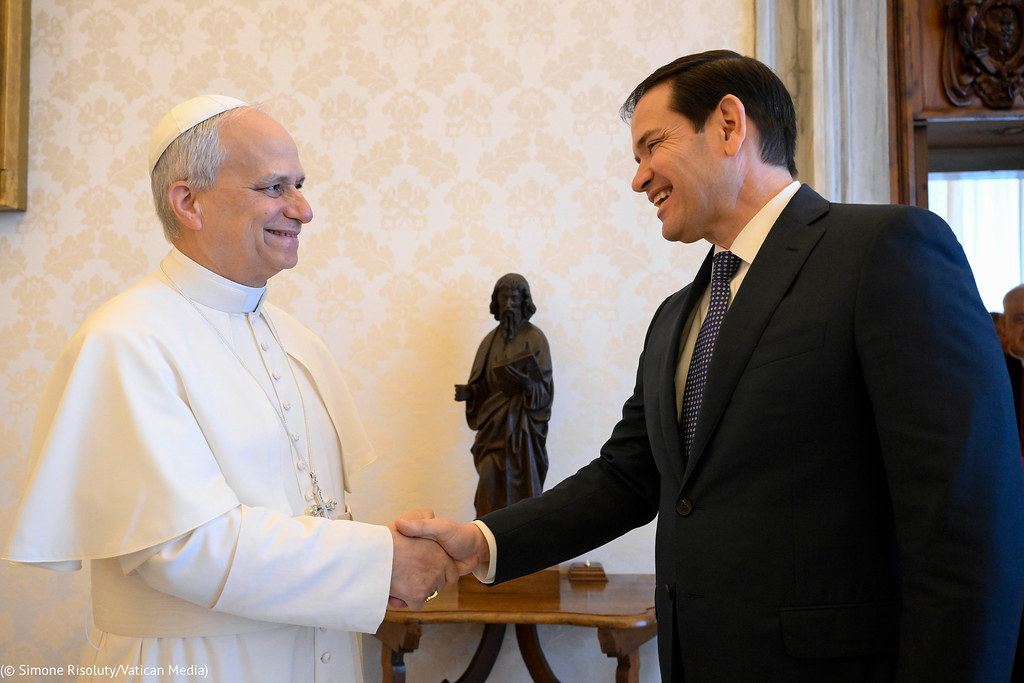
Pope’s Unyielding Commitment to Peacemaking (Image Credits: Flickr)
Vatican City — Pope Leo XIV, the first American-born leader of the Catholic Church, directly addressed President Donald Trump’s recent attacks on his calls for peace in the ongoing U.S.-Israel conflict with Iran. Speaking aboard the papal plane headed to Algeria, the pontiff emphasized that his message draws from the Gospel and aims to foster reconciliation amid escalating tensions. The exchange highlights a rare public rift between the White House and the Holy See, as both figures defend their visions for global stability.
Pope’s Unyielding Commitment to Peacemaking
Pope Leo XIV opened his remarks with a firm rejection of any equivalence between his spiritual appeals and political maneuvers. He stated that the Gospel’s core message elevates peacemakers and rejects the notion of personal vendettas. The pope clarified that his words targeted no individual but rather the broader “delusion of omnipotence” driving conflicts worldwide.
During the flight, Leo reiterated his resolve to promote dialogue and multilateral solutions. He declared himself unafraid of repercussions from the Trump administration. “We are not politicians,” he noted, underscoring the Church’s distinct role in advocating for the vulnerable. This stance came shortly after he led a prayer service in St. Peter’s Basilica, coinciding with fragile ceasefire talks between the U.S. and Iran in Pakistan.
Trump’s Sharp Reprimand Escalates the Dispute
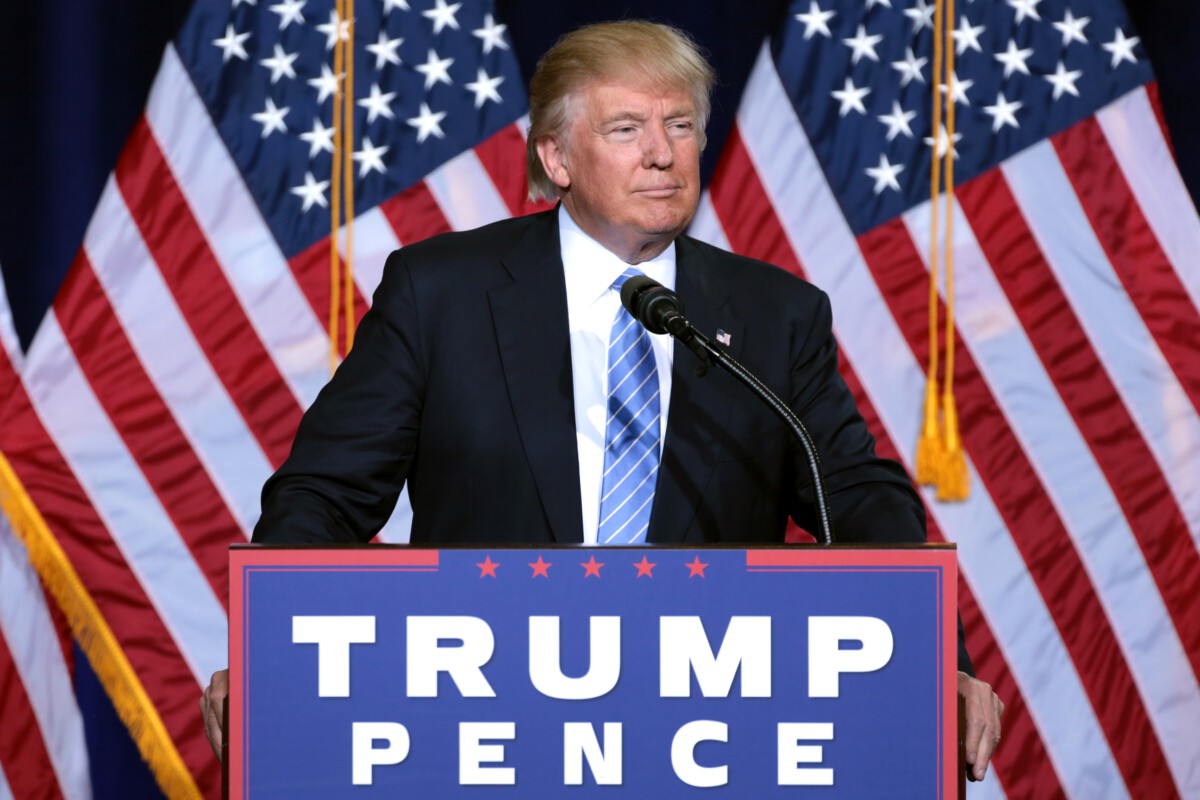
President Trump unleashed a series of pointed criticisms against the pope late Sunday via social media and impromptu remarks upon returning from Florida. He described Leo as “not doing a very good job,” labeling him a “very liberal person” who caters to the Radical Left. Trump expressed disdain for the pontiff’s perceived leniency on foreign policy, particularly regarding Iran’s nuclear ambitions.
The president’s post extended beyond Iran to other issues, including the U.S. intervention in Venezuela that removed Nicolás Maduro in January. Trump boasted of his landslide 2024 election victory and implied Leo’s elevation to the papacy served as a counter to his influence. He even shared an image portraying himself in a saintly pose, surrounded by symbolic elements like eagles and an American flag. Such rhetoric marked an unusually direct confrontation from a U.S. leader toward the Vatican.
International and Ecclesiastical Backlash Builds
Italian leaders quickly rallied behind Pope Leo. Premier Giorgia Meloni voiced support for his peace efforts, while opposition figure Elly Schlein condemned Trump’s words as “extremely serious.” These responses underscored a unified front in Europe against the personal tone of the U.S. president’s critique.
U.S. Catholic bishops echoed this sentiment. Archbishop Paul S. Coakley, head of the U.S. Conference of Catholic Bishops, called himself “disheartened” and affirmed that the pope serves as the Vicar of Christ, not a political rival. The Italian Bishops’ Conference similarly regretted the attacks, portraying Leo as the successor of Peter dedicated to Gospel truth and peace. Despite Trump’s strong support from 55% of Catholic voters in 2024, per AP VoteCast, these defenses highlighted tensions within faith communities.
Broader Context of Faith and Foreign Policy
Pope Leo’s positions have consistently opposed militaristic rhetoric. He previously invoked Scripture, stating God rejects prayers from warmongers and cited Isaiah on bloodshed-stained hands. When Trump threatened massive strikes on Iranian infrastructure, Leo deemed such language “truly unacceptable.”
Meanwhile, Trump administration figures like Defense Secretary Pete Hegseth have framed military actions in religious terms, urging prayers for victory in Jesus Christ’s name. Trump himself affirmed divine approval for the Iran efforts, tying them to benevolence and protection. This clash reveals divergent interpretations of faith’s role in international affairs.
Key Takeaways:
- Pope Leo XIV roots his anti-war appeals in Gospel teachings, refusing to engage in personal debates.
- Trump accuses the pope of weakness on security issues, from Iran to Venezuela.
- Global Catholic leaders and Italian politicians defend Leo’s spiritual mandate against political attacks.
The feud between Pope Leo XIV and President Trump exposes deep divides on war, faith, and leadership in a volatile world. As negotiations in Pakistan hang in the balance and Leo embarks on an 11-day Africa tour, his message of bridge-building persists. What implications might this have for U.S.-Vatican relations? Share your thoughts in the comments.