
There’s something disarming about sitting across from someone who has watched a century of the world go by. No performance, no agenda. When you ask them what actually mattered, they tell you plainly. Over the course of dozens of conversations with people aged 100 and older, a few themes kept surfacing – not dramatic revelations, but quiet, consistent truths about food, drink, relationships, and the things people wished they had worried less about.
The New England Centenarian Study, which has enrolled more than 3,000 centenarians over its 30-year history, has been exploring the genetic factors, lifestyle choices, and environmental influences that appear to play a role in longevity. What emerges from both that research and from individual conversations is a portrait that is far more nuanced – and far more hopeful – than most people expect.
The World Is Growing Older, and It Shows
The sheer number of people reaching 100 is increasing at a pace that would have seemed unlikely just a generation ago. The number of centenarians in the U.S. grew by roughly half in the most recent decade, according to the U.S. Census Bureau in 2025. Globally, the picture is equally striking, with the United Nations estimating that the population of people aged 100 and older could exceed 3.7 million by 2050, up from roughly 573,000 in 2021.
The U.S. is currently home to around 101,000 centenarians, just 0.03 percent of the population, a number projected to quadruple in the next three decades, according to the Pew Research Center. These aren’t passive survivors. Many are still working, driving, and in a few remarkable cases, getting married.
Genes Are Not the Whole Story
The Danish Twin Study established that only about 20 percent of how long the average person lives is dictated by genes, while about 80 percent is influenced by lifestyle and environment. That figure shifts something important. It means that most of what determines longevity is, at least partly, within reach.
Centenarians, on average, don’t smoke, eat a varied diet, are social, and generally don’t sweat the small stuff. They typically spend more years of their life in good health, known as “healthspan,” and tend to have a feeling of purpose and find joy in the everyday, even in their later years. That pattern holds across cultures, continents, and income levels.
On Bread: Not the Enemy They Told You It Was
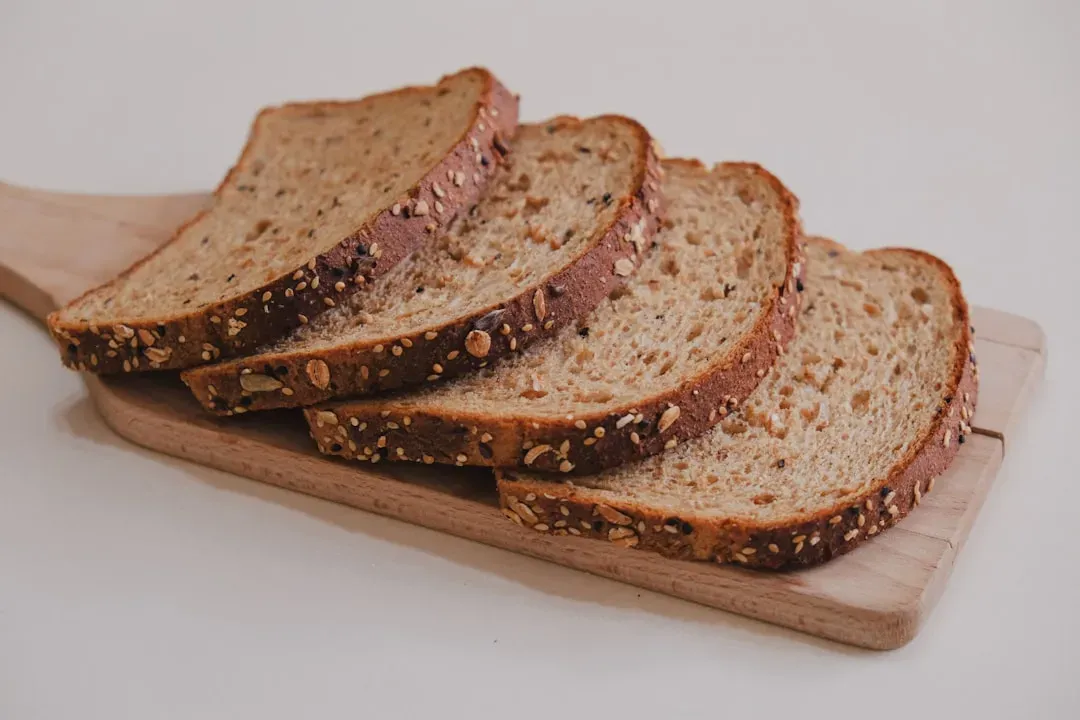
Bread in the Blue Zones is different from what most people in the West consume: it is either whole grain or sourdough. Breads in Ikaria and Sardinia, for example, are made from a variety of 100 percent whole grains, including wheat, rye, and barley, each of which offers a wide spectrum of nutrients such as tryptophan and the minerals selenium and magnesium. The centenarians in these regions weren’t avoiding bread. They were eating a fundamentally different kind of it.
The 100-year-olds studied in Blue Zones also eat a lot of carbohydrates, but in the form of whole grains and sourdough breads rather than breads leavened with yeast. Interestingly, barley was the food most highly correlated with longevity in Sardinia. The lesson isn’t to fear carbohydrates. It’s to choose them carefully.
On Alcohol: Complicated, and Getting More So

The question of alcohol and longevity is one of the most genuinely contested topics in aging research, and it deserves honesty rather than a tidy answer. Many centenarians studied in Blue Zones don’t shy away from alcohol. The key, however, seems to be moderation, roughly one to two glasses per day, with some data suggesting that wine drinkers in Sardinia live longer than non-drinkers. That finding has fueled decades of qualified optimism.
Still, the broader scientific picture has shifted. Growing evidence suggests that moderate alcohol consumption does not significantly extend lifespan and may pose health risks, including increased cancer, heart disease, and neurodegenerative risks. The World Health Organization has declared that when it comes to alcohol consumption, there is no safe amount that does not affect health. Studies comparing health outcomes with alcohol consumption among older adults found no improvements in longevity at any level of drinking, with low drinking showing a slightly increased risk of earlier cancer death, and moderate and high use associated with a significantly higher risk of death from any cause. The most honest summary: a small glass of red wine with dinner has not been proven to hurt you, but it hasn’t clearly helped you, either.
Plant-Forward Diets Are the Clearest Common Thread
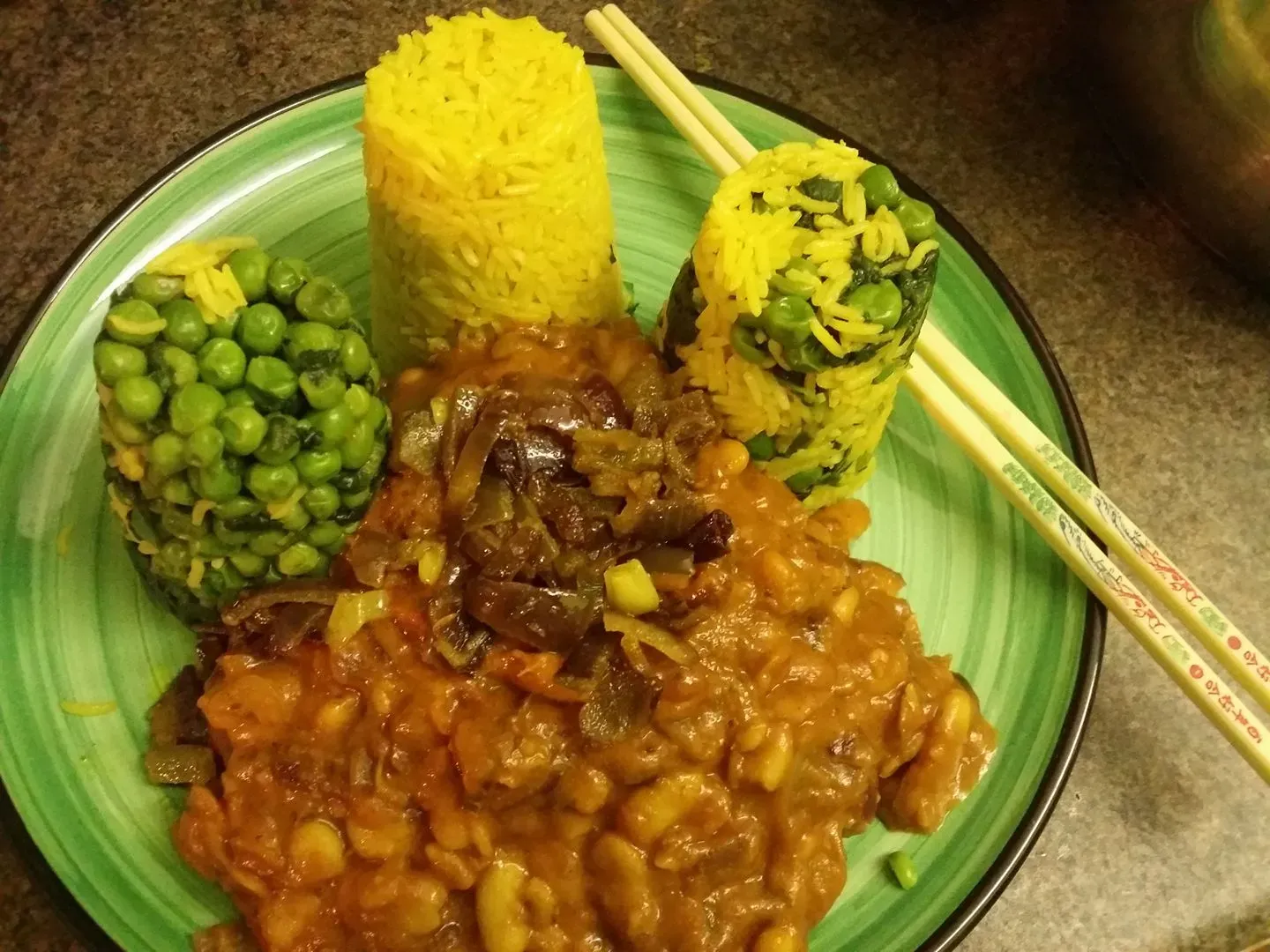
A meta-analysis of 154 dietary surveys across all five Blue Zones found that roughly 95 percent of 100-year-olds ate plant-based diets, including plenty of beans. That is not a coincidence. Despite cultural differences, centenarians exhibit common behavioral patterns and lifestyle habits believed to promote longevity. In particular, plant-based dietary patterns provide antioxidant and anti-inflammatory properties, counteracting physiological and pathophysiological processes relating to unsuccessful aging.
Research has shown that centenarians in Greece consume more than 400 grams of vegetables daily, equivalent to more than seven servings, which often include wild greens like dandelion and purslane, rich not only in vitamins and minerals but also in alpha-linolenic acid, a heart-healthy fatty acid. The specifics vary by region. The principle stays the same.
They Don’t Overeat – and It’s Not About Discipline
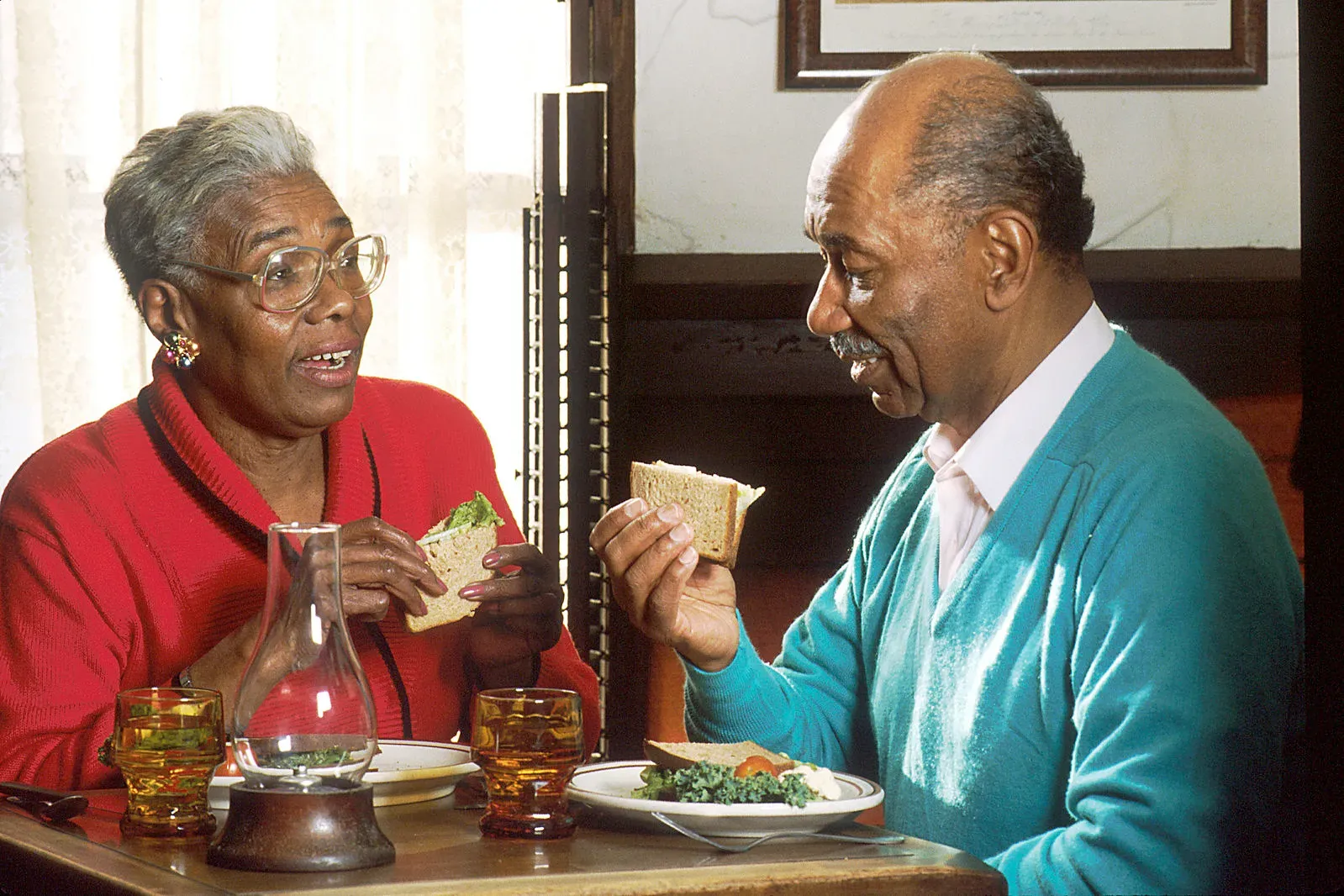
An intriguing habit shared by many centenarians is that they don’t just watch what they eat but pay attention to when they eat. These long-lived individuals naturally practice a form of caloric restriction, not through strict dieting, but through mindful eating patterns. They consume just enough to meet their body’s needs, with some maintaining fasting periods of up to 17 hours between meals.
The longest-lived people have strategies to keep themselves from overeating, such as the Confucian mantra some Okinawans use to stop eating when they feel 80 percent full. In all five Blue Zones, people eat a large breakfast and a smaller lunch, and dinner is the smallest meal of the day. It’s a rhythm, not a regimen.
On Regret: It’s Almost Never About Things
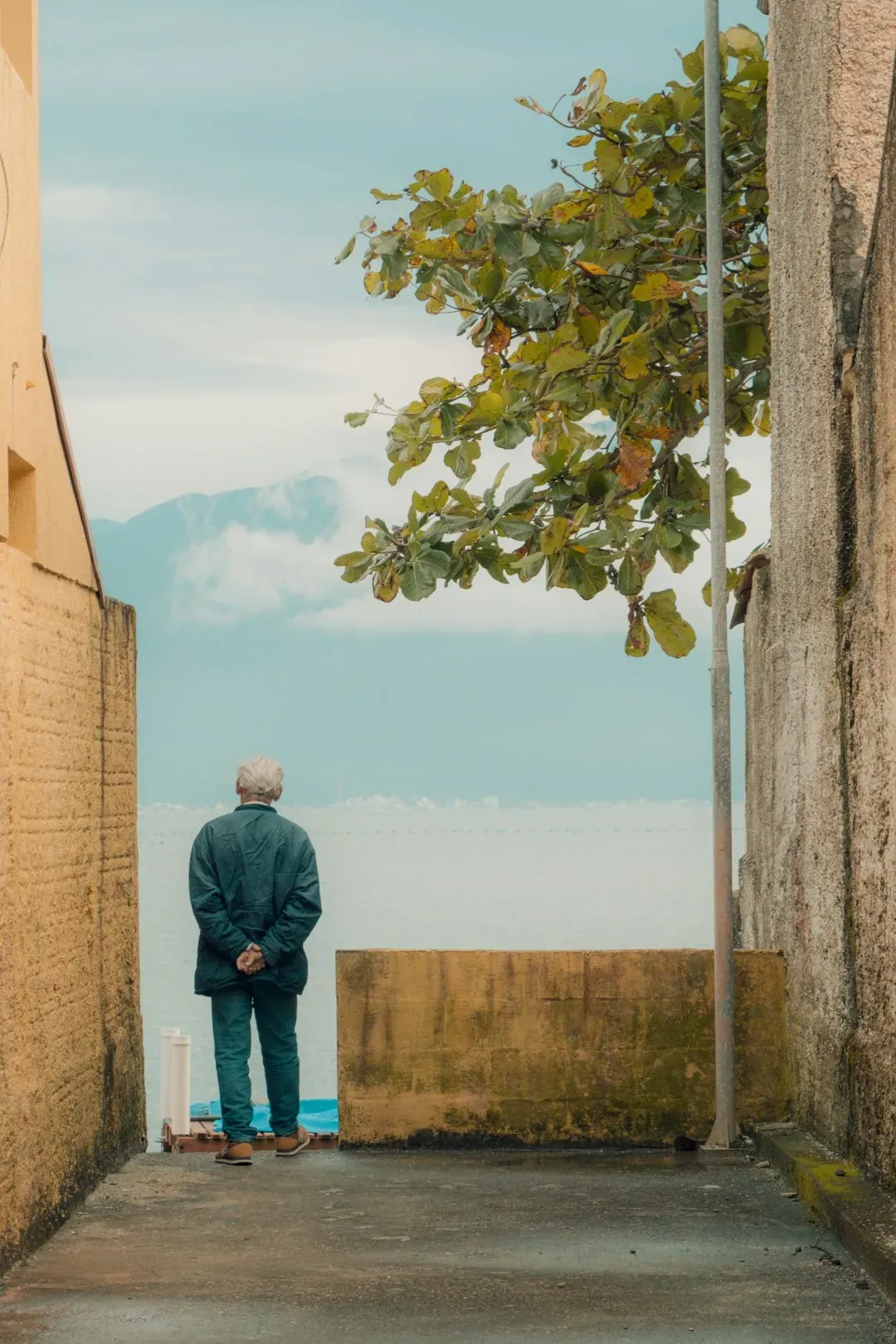
Ask a centenarian what they regret, and they rarely mention money, career missteps, or material choices. Psychological research bears this out. The existing literature across 31 studies indicates that life regrets are consistently associated with poorer well-being. What the regrets tend to be about, across cultures and age groups, are relationships, time not spent with people who mattered, and experiences left unpursued.
Across centenarian studies from around the world, one finding stands out: centenarians have very good psychological well-being. They tend to score low in neuroticism. They don’t worry too much about bad things that happen. They’re able to deal with them and move on. That capacity to process and release, rather than ruminate, appears to be genuinely protective over decades of living.
Connection Is Not a Soft Benefit – It’s a Hard One

Two-thirds of centenarian survey participants report staying close with family and friends and having a positive outlook despite the trials and tribulations of aging. The vast majority – four in five centenarians – report frequent visits or get-togethers with those they love, at least once a week. That level of social engagement isn’t incidental to their longevity. Researchers increasingly think it’s central to it.
Centenarians also score high in extraversion. They’re willing to try new things and tend to be very outgoing, which helps them make new social connections as their peers pass away. Another consistent finding is the feeling of having purpose in life, waking up in the morning with things that you want to do. Purpose, it turns out, is not a luxury of the young.
What stands out, after all these conversations and all this research, is how undramatic the advice actually is. Eat real food, mostly plants, with bread that hasn’t been stripped of what made it worth eating. Be careful with alcohol, enjoy it if you do, but don’t count on it for your health. Stay close to people. Don’t let old grudges take up space that joy could occupy instead. The centenarians who said these things weren’t reciting wellness slogans. They were reporting back from a very long life – and the signal, remarkably, is consistent.