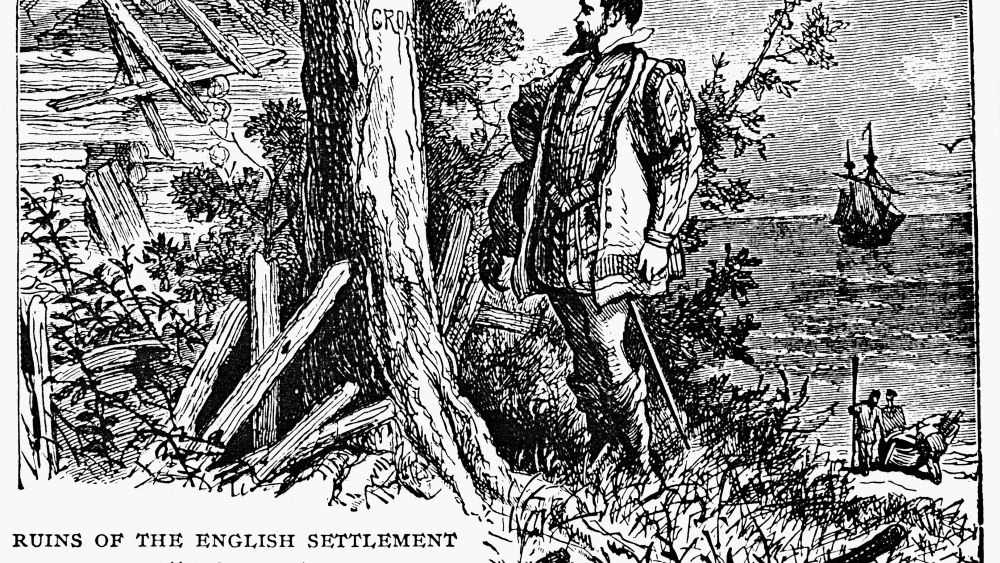

In 1587, over a hundred English settlers arrived on Roanoke Island off the coast of what is now North Carolina. They hoped to establish the first permanent English colony in the New World. When the group’s leader, John White, returned three years later, the entire settlement had vanished without a trace.
One word carved into a wooden post stood out amid the empty houses: “CROATOAN.” This clue has fueled centuries of speculation. Recent archaeological digs and genetic studies offer fresh insights, though the full story remains elusive.
The Colony’s Sudden Vanishing
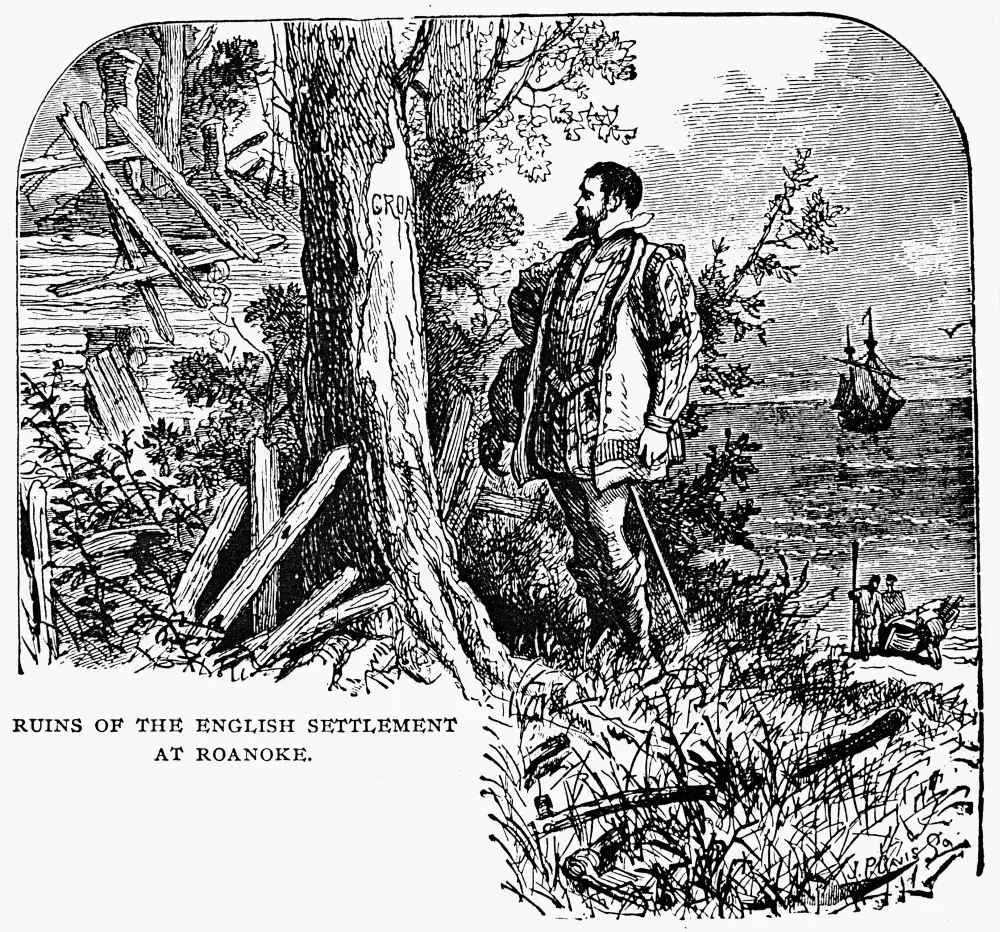
The Roanoke settlers numbered about 115, including men, women, and children, when John White left for supplies in 1587. He returned in 1590 to find no signs of struggle or bodies. The houses stood dismantled, as if the group had packed up intentionally.
Historians from the National Park Service note that no weapons or graves suggest violence. This points away from massacre theories popular in early accounts. Instead, the orderly departure hints at a planned move.
Deciphering the Croatoan Clue
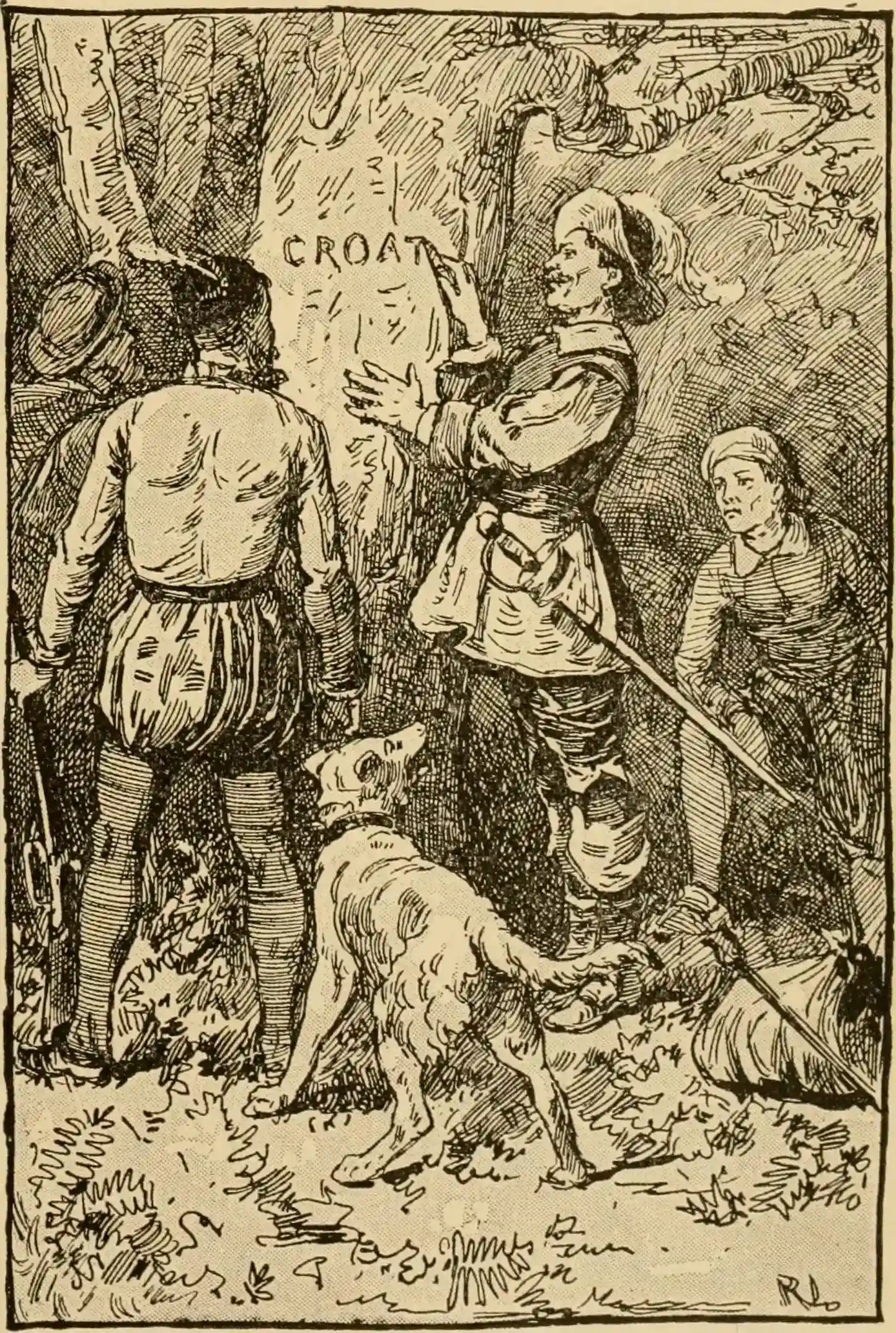
“CROATOAN” referred to a nearby island, now Hatteras Island, and a friendly Native American tribe. White had previously agreed with the colonists that they would leave this sign if relocating there. The lack of a distress cross symbol reinforced this idea.
Researchers with the First Colony Foundation have revisited old maps showing Croatoan influences around Roanoke. These details suggest the settlers sought alliance rather than isolation. The carving remains the most direct message from the past.
A Drought Worse Than Any in Centuries
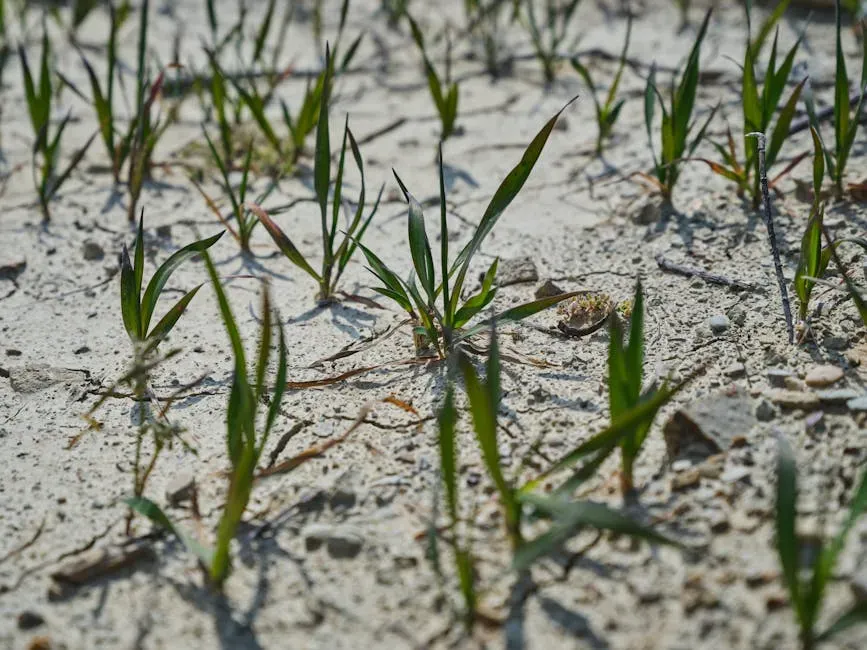
Tree-ring data analyzed by climatologist David Stahle reveals the worst three-year drought in 800 years hit from 1587 to 1589. Rainfall dropped so low that crops failed and freshwater sources dwindled. This environmental crisis likely overwhelmed the small group’s resources.
Studies published in Science confirm the timing matched the colony’s struggle exactly. Settlers faced starvation amid parched lands, pushing them to seek Native help. Such conditions explain why staying put was no longer viable.
Artifacts Unearthed on Hatteras Island
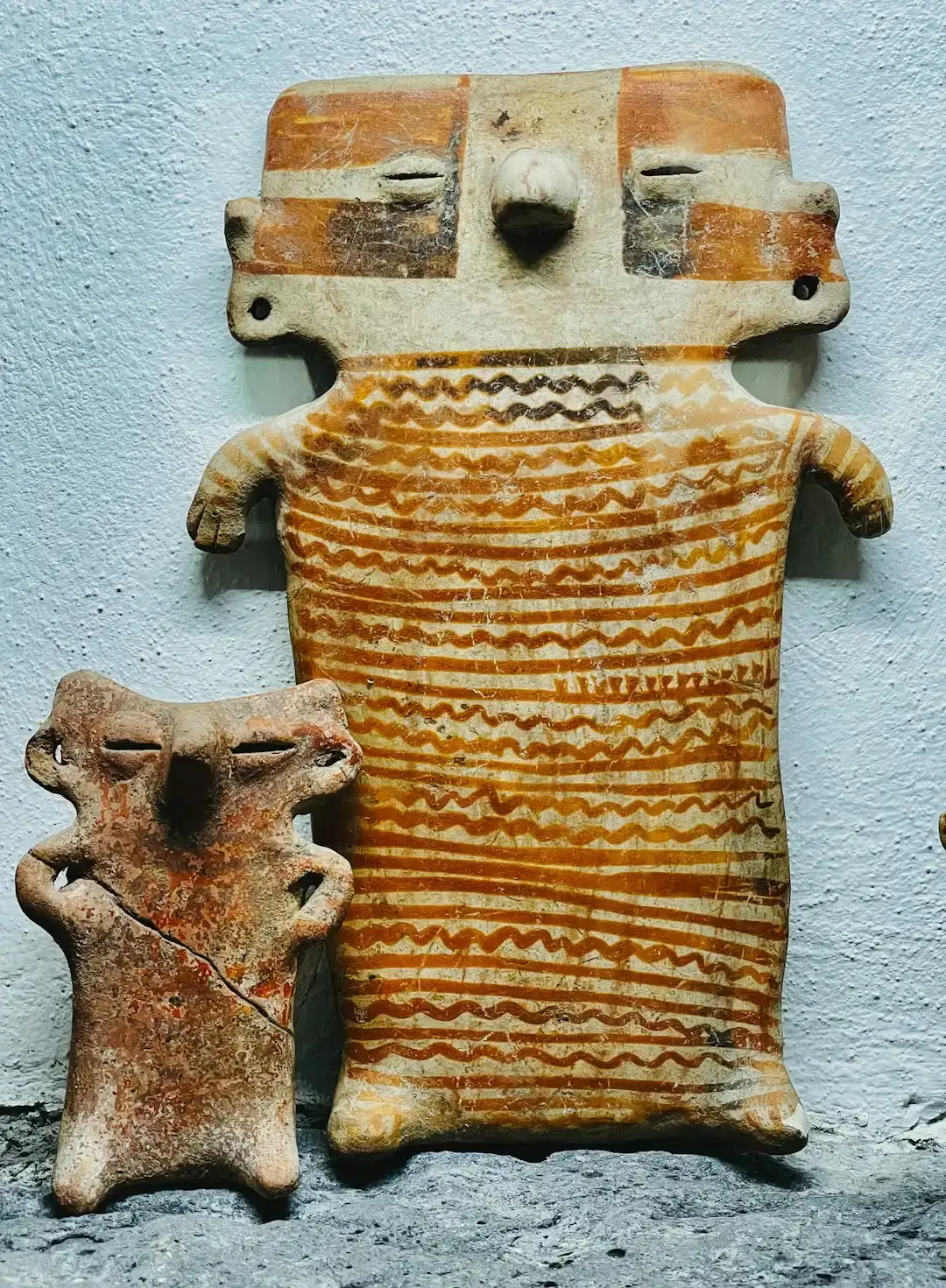
Excavations on Hatteras, led by First Colony Foundation teams, uncovered European-style tools and hammer scale from ironworking in early 2025. These late 16th-century finds appear alongside Native pottery. They indicate close interaction between colonists and Croatoan people.
Reports from WHRO highlight buckets of these artifacts, suggesting blacksmith activity. No full skeletons have surfaced, but the mix supports peaceful coexistence. This site aligns directly with the Croatoan clue.
Inland Clues at Site X
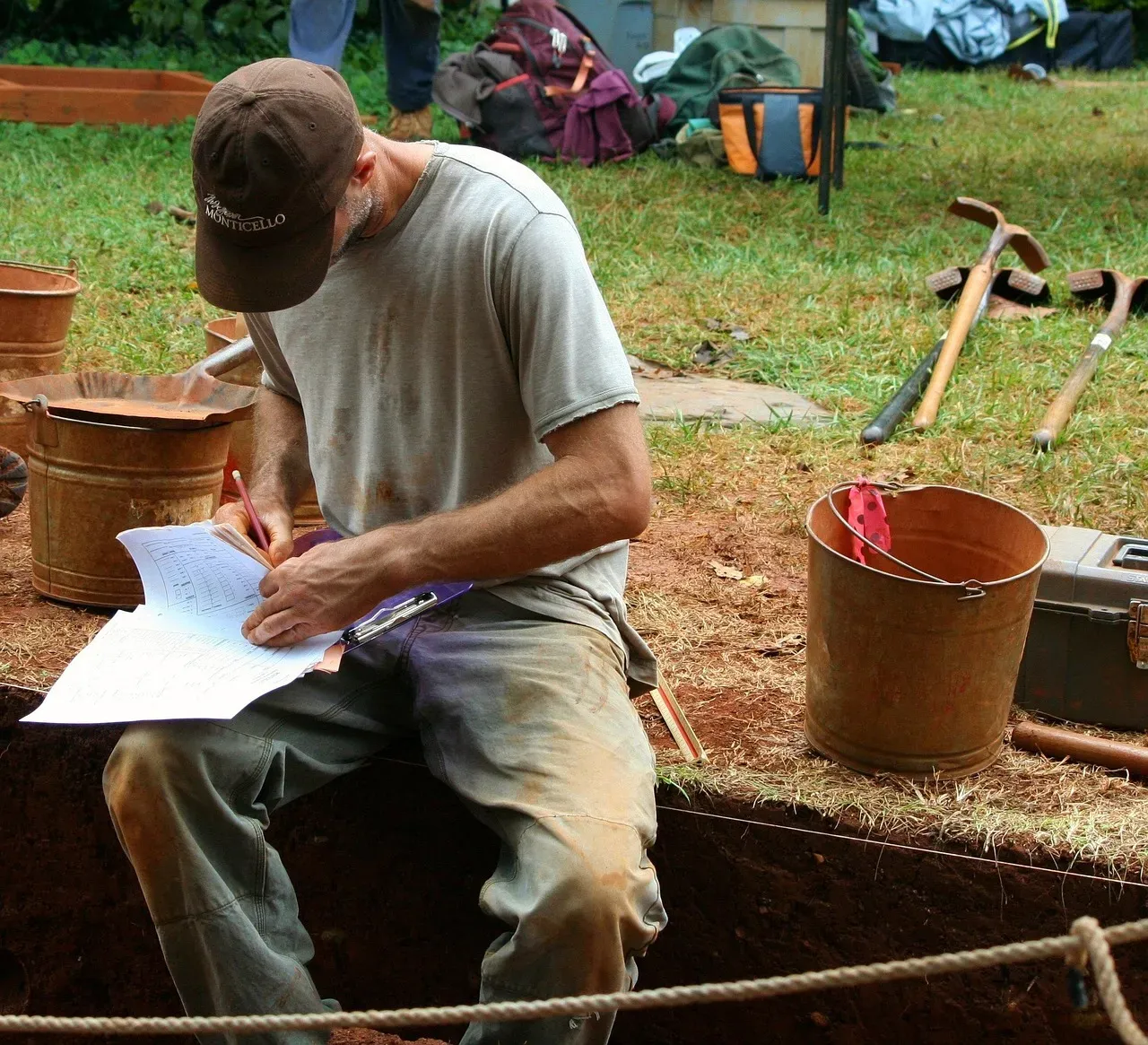
Near the Albemarle Sound, Site X has yielded ringed pottery unique to the period, blending English and Native styles. First Colony Foundation digs since 2014, with updates through 2025, propose a small group moved inland here. The site’s strategic location offered better farming potential.
Popular Archaeology covered 2025 findings indicating colonists split into family units. Artifacts like metal fragments match Roanoke origins. This challenges the idea of a single mass relocation.
Advances from the Lost Colony DNA Project
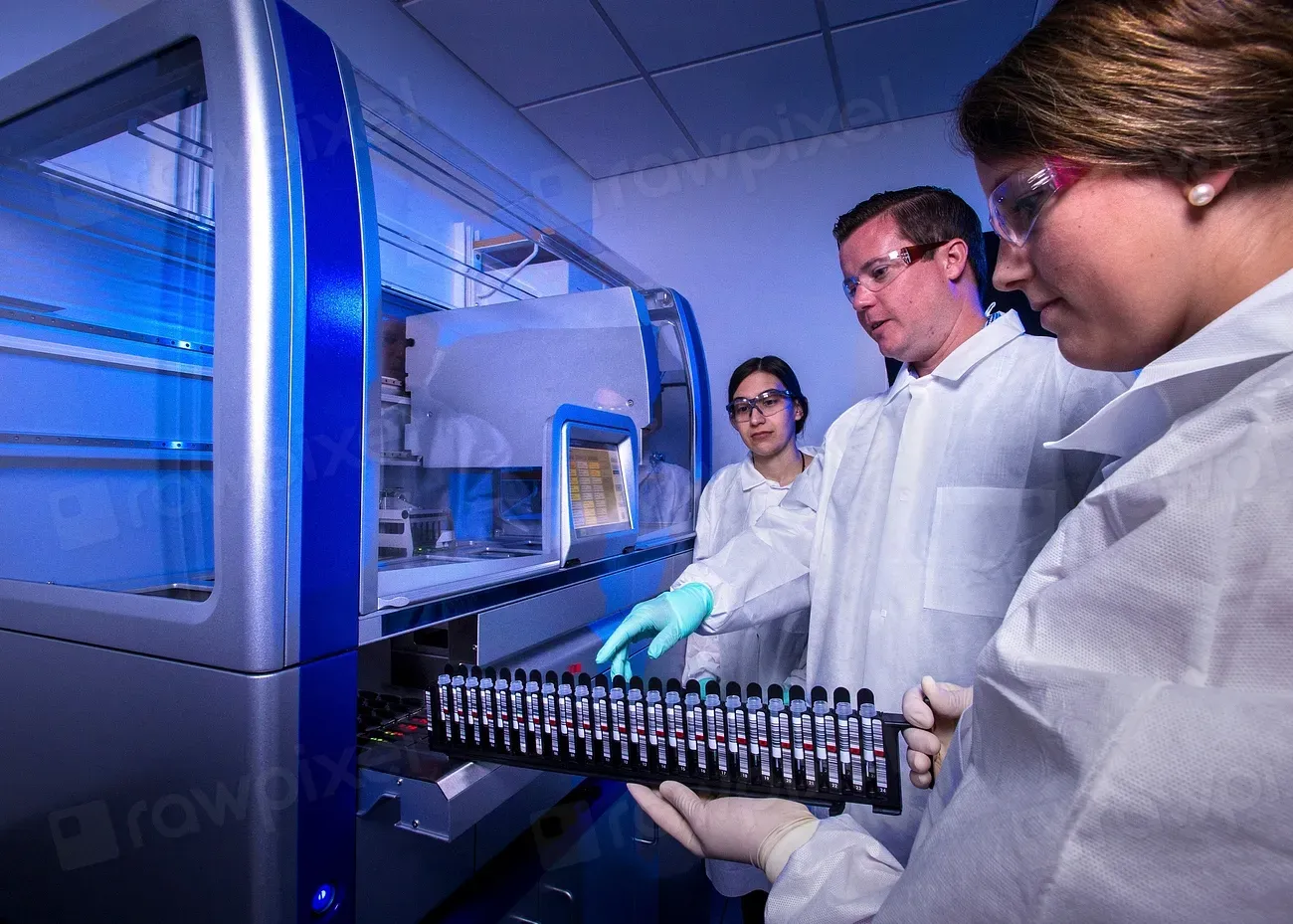
The Lost Colony DNA Project, ongoing since the early 2000s, compares modern eastern North Carolina families to historical records. Some Y-DNA and autosomal matches hint at settler surnames persisting locally. As of 2024 updates, these links appear in Lumbee and other groups.
Family Tree DNA hosts the effort, focusing on males with Lost Colony surnames. Promising clusters emerged, though not conclusive. This genetic work builds on archaeological evidence without claiming final proof.
Obstacles in DNA Analysis
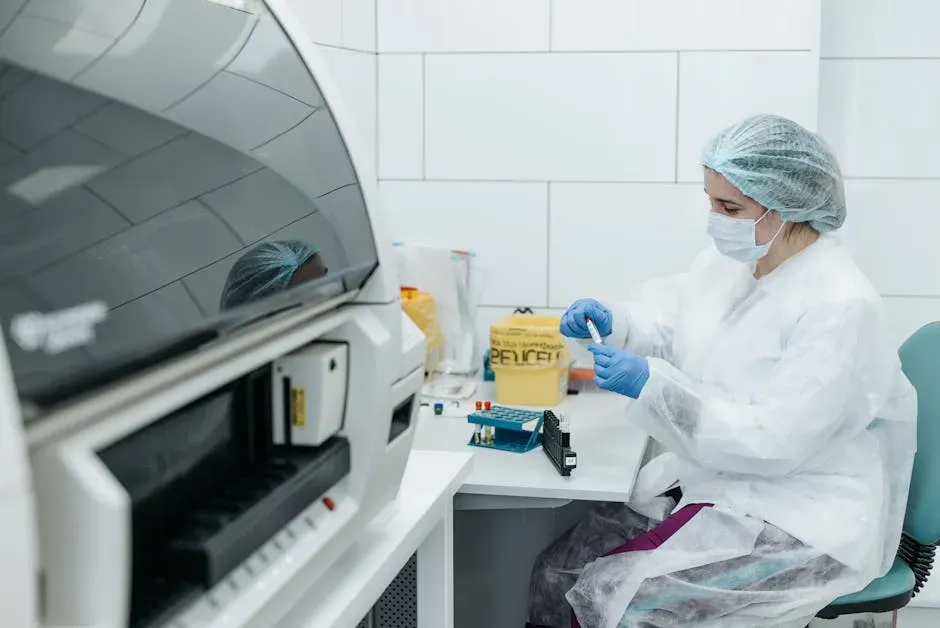
Degraded bones from the era limit direct testing, as noted in 2023 research summaries. Few colonial remains exist, and contamination plagues old samples. Modern descendants provide the best proxies, but isolating 16th-century signals proves tricky.
Scholars emphasize results stay inconclusive per 2025 reports. Advances in sequencing help, yet certainty eludes. Patience defines this scientific pursuit amid historical gaps.
Evidence for Peaceful Integration
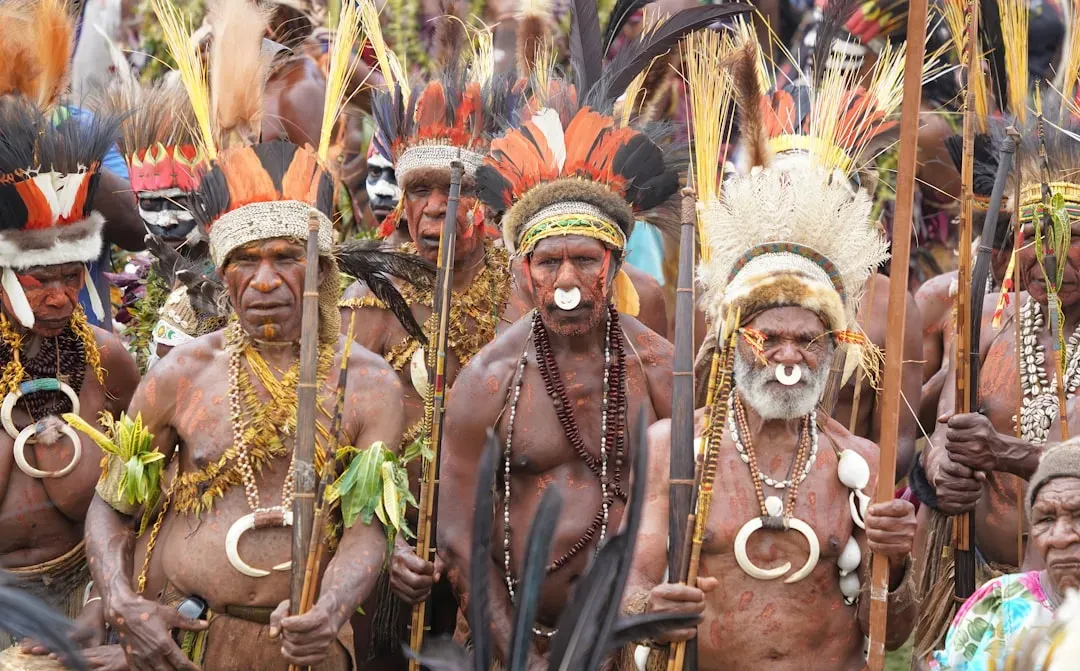
No mass graves or battle signs appear in digs, aligning with Native oral histories of welcoming outsiders. Later Jamestown accounts describe gray-eyed Natives with English words, possibly mixed descendants. This supports assimilation over annihilation.
First Colony Foundation collaborations with tribes reinforce cultural blending. Artifacts show shared technologies. The colony likely dissolved into local communities, surviving through adaptation.
Archaeology and genetics inch closer to answers, yet Roanoke’s fate stays partly shrouded. The settlers probably endured by joining Native allies amid hardship. Their story reminds us how fragile early ventures were against nature’s force.