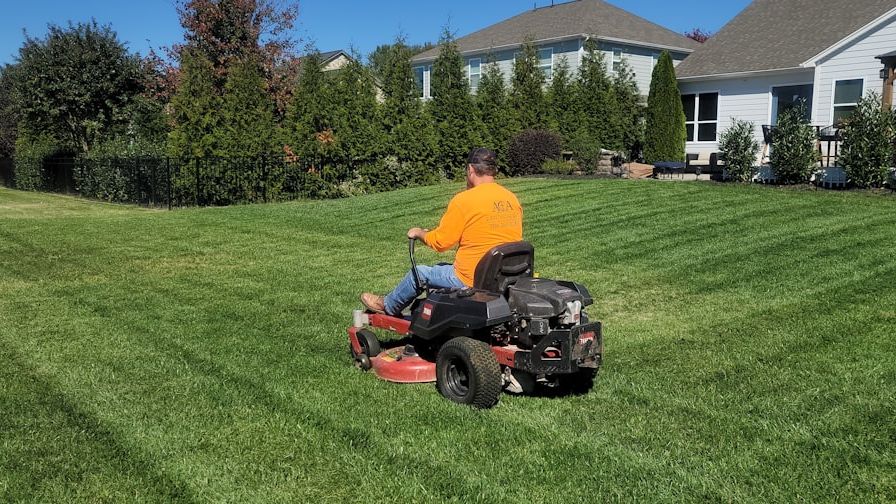

I’ve spent years tending lawns as a master gardener, and one thing stands out: that rigid weekly mow in the same straight lines does more harm than good. Homeowners often stick to the routine without realizing how it stresses the grass and soil beneath. Changing things up brings healthier turf and less work in the long run.
Recent guidance from university extensions and environmental groups backs this shift, especially after tough drought years. Simple tweaks like varying patterns and heights make a real difference. Your lawn will thank you with deeper roots and fewer headaches.
Follow the One-Third Rule to Avoid Stressing Your Grass
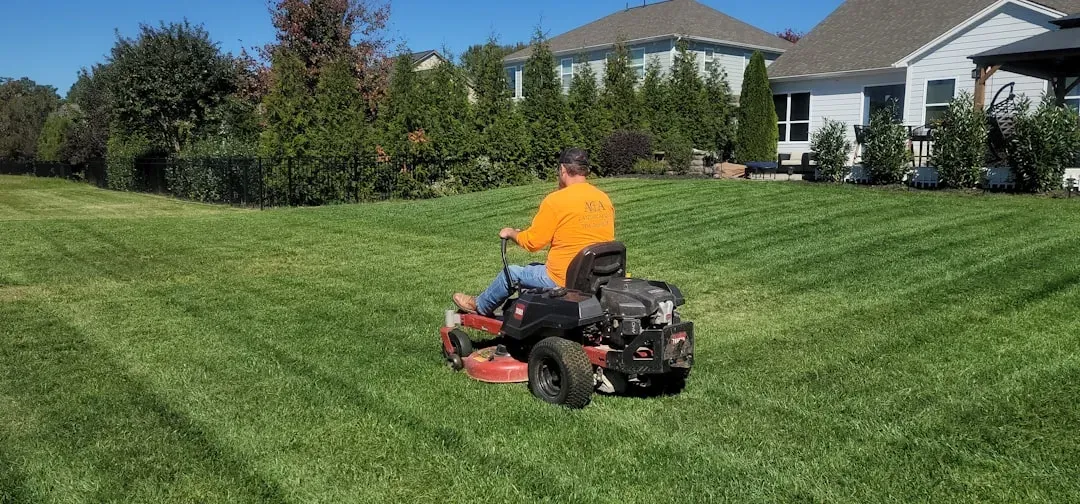
The one-third rule means never cutting more than one-third of the grass blade in a single mow. Turf experts at the University of California Agriculture and Natural Resources stressed this in their 2023 guidance, noting that removing more shocks the plant. Roots weaken as the grass diverts energy to regrow leaves instead of building strength below ground. Sticking to this keeps clippings short and decomposition quick.
Over time, consistent adherence leads to denser turf that handles foot traffic better. I’ve advised clients to measure blade height before mowing to stay on track. This approach fits any schedule, even if you mow less often during slow growth periods.
Change Mowing Direction to Prevent Grass Grain
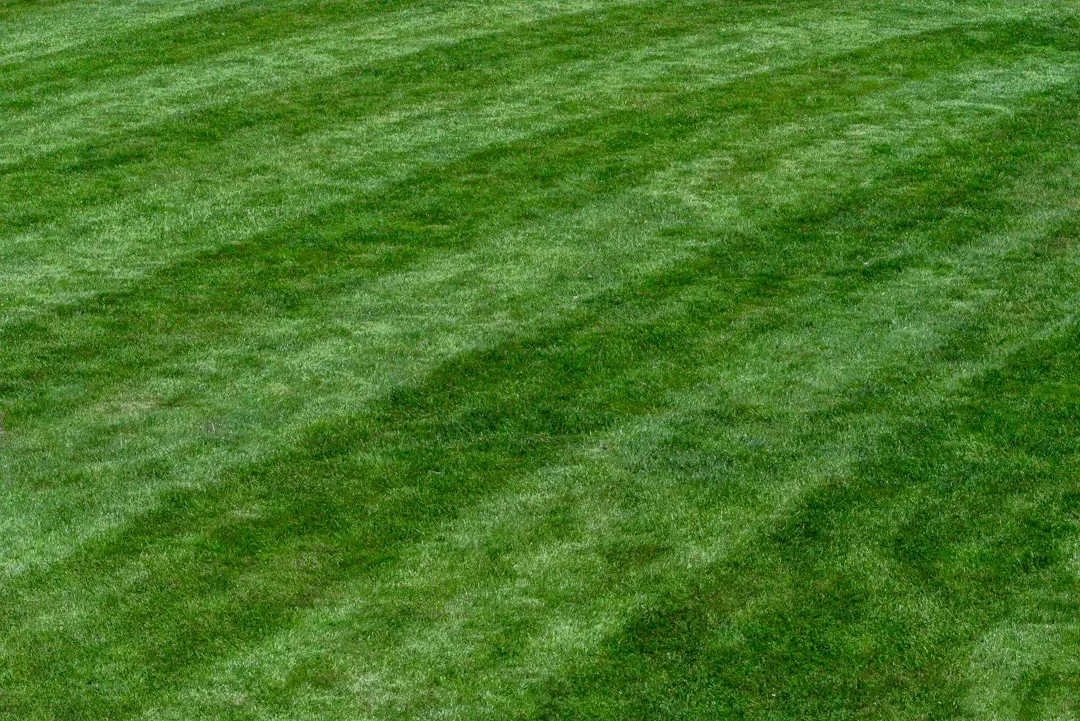
Always mowing the same way creates “grain,” where blades lean permanently in one direction. Penn State Extension research explains this leads to soil compaction from wheels rolling the same path repeatedly. Varying direction uprights the grass and distributes pressure evenly across the lawn. It also improves how light hits the blades for even growth.
Try mowing north-south one week, east-west the next, like a checkerboard. This simple switch enhances overall lawn appearance without extra effort. Clients notice straighter edges and fewer bald spots after a few rotations.
Break the Rut Cycle from Repetitive Patterns
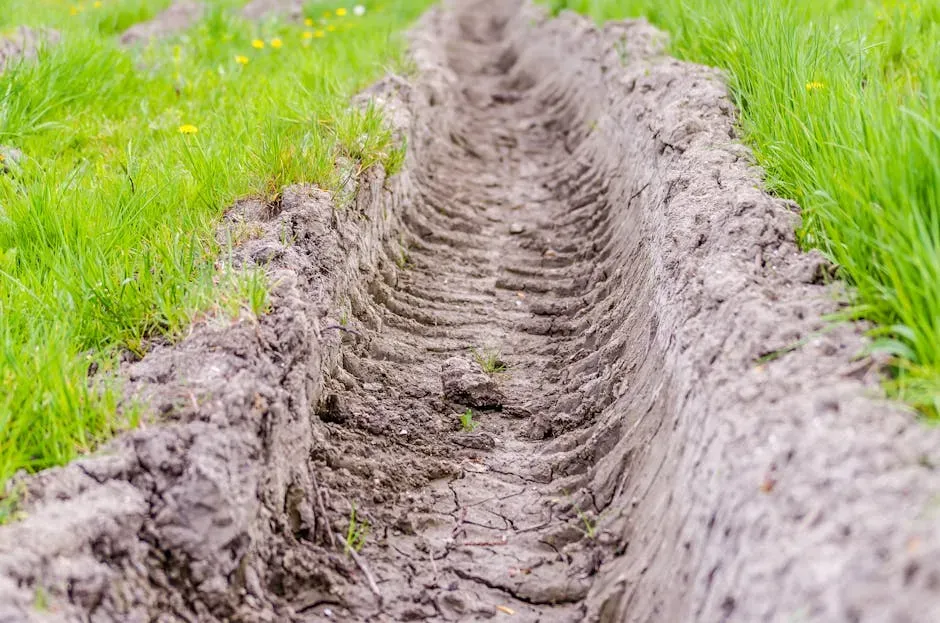
Sticking to identical paths week after week wears ruts into high-traffic areas. University of Minnesota Extension reports this causes uneven wear, especially where kids play or paths form naturally. Rotating patterns spreads the load and keeps soil level. Lawns stay smooth and playable longer.
During 2023-2024 seasons, extensions noted ruts worsen in wet soil under uniform mowing. Mixing it up requires planning your route ahead. The result is a lawn that looks professionally maintained year-round.
Raise the Height for Drought Resistance
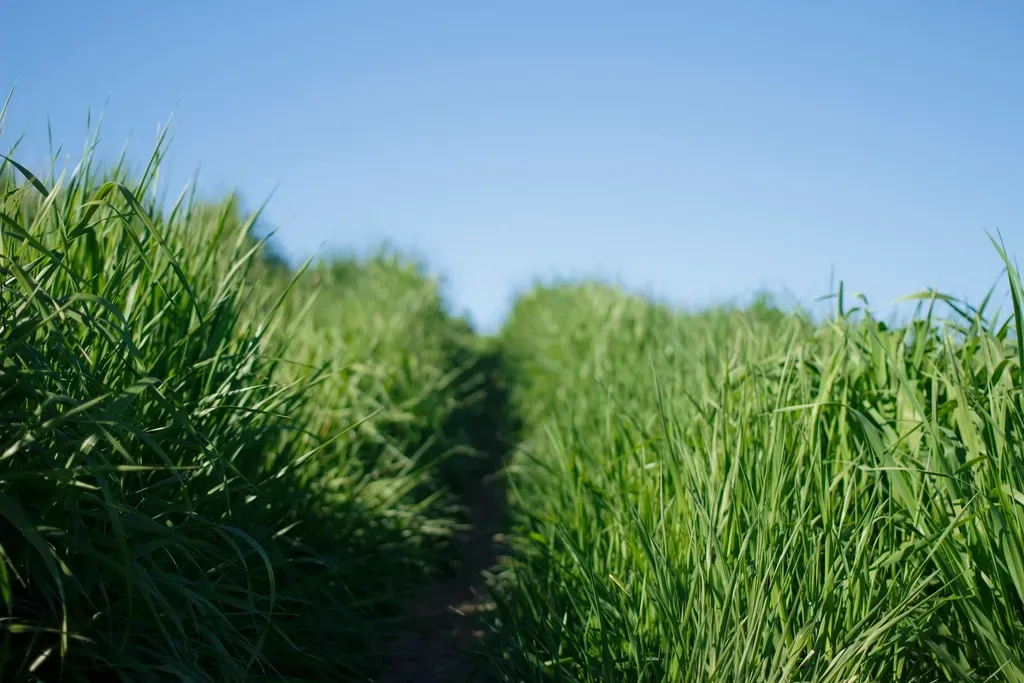
Longer grass blades shade the soil, cutting evaporation and boosting drought tolerance. Extension updates from 2023 heat waves recommended this, with taller cuts reducing water needs significantly. Raising height by half an inch to an inch helps roots grow deeper for stability. Soil stays cooler and moister underneath.
U.S. Environmental Protection Agency data shows outdoor water makes up nearly 30 percent of household use, often for lawns. Taller mowing aligns with efficient practices amid rising water costs. I’ve seen parched yards bounce back faster with this adjustment alone.
Grasscycle Clippings for Built-In Fertilizer
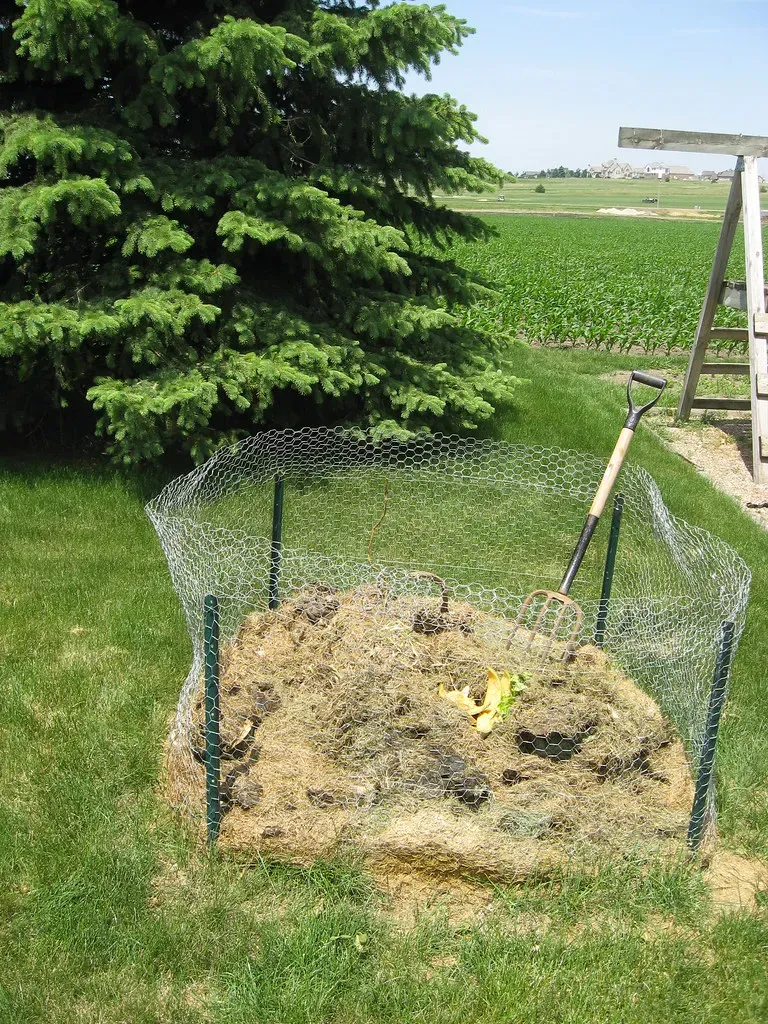
Leaving clippings on the lawn, known as grasscycling, supplies up to 25 percent of annual nitrogen needs. The U.S. Environmental Protection Agency highlights this as a free fertilizer source that decomposes quickly. Fine clippings from frequent light cuts feed the soil without clumping. It cuts down on bagging and store-bought products.
Recent turf studies confirm this recycles nutrients right where roots can grab them. Skip the mulching blade if patterns vary, as even spread happens naturally. Lawns fed this way green up vibrantly with minimal input.
Avoid Soil Hardening from Uniform Mowing
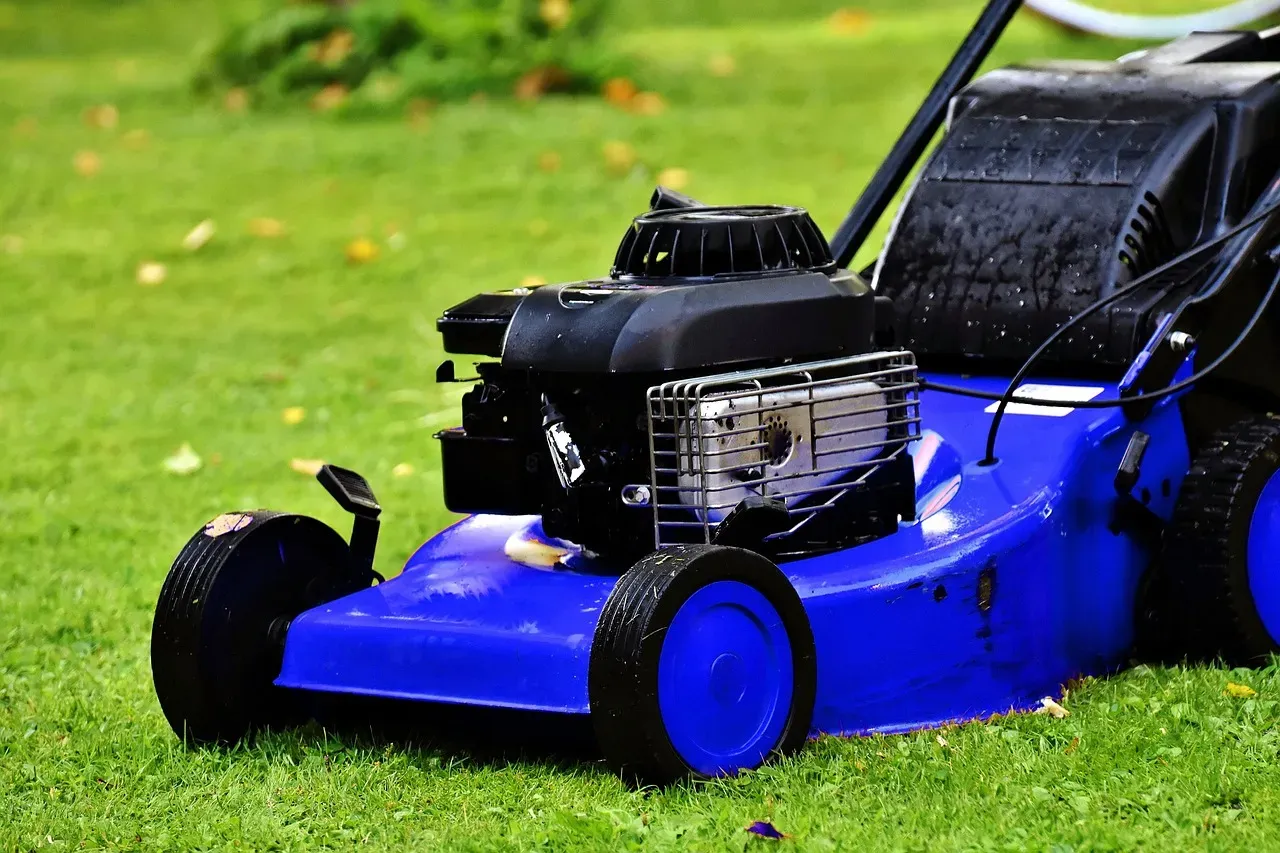
Frequent mowing in straight lines hardens the soil surface over time. A 2024 Michigan State University Extension summary links this to poor root penetration and thin turf. Varied heights and directions keep soil friable for better air and water flow. Compaction sneaks up but shows in patchy growth.
Wheel tracks deepen faster under repetition, starving roots of oxygen. Alternating routines mimics natural meadows more closely. Healthier soil means less thatch buildup and fewer pests.
Support Pollinators with Less Frequent Cuts

Less rigid mowing lets small weeds flower, feeding bees and butterflies. The National Wildlife Federation points to this benefit in promoting biodiversity. “No-mow May” and low-mow movements gained traction in 2023-2025 for these reasons across the U.S. and Europe. Pollinators thrive without constant clipping.
Even subtle delays between mows allow blooms in overlooked spots. This builds ecosystem resilience alongside lawn health. Neighborhoods adopting it report more birds and insects buzzing around.
Adapt to Conditions Instead of a Fixed Schedule
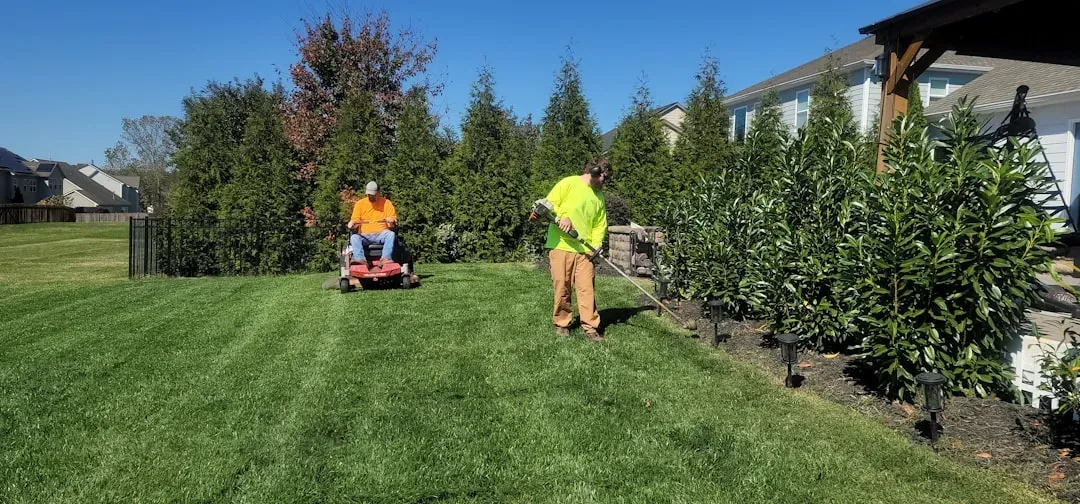
Drought advisories from 2023-2024 urged raising mower height to ease plant stress. Fixed weekly cuts ignore growth rates that slow in heat or shade. Adjusting based on weather prevents scalping and promotes survival. Flexible timing matches nature’s pace better.
Low-mow trends reflect evidence that weekly routines hurt resilience. Monitor rain and temperature for cues on when to mow. This tailored care yields tougher, low-maintenance lawns.
Final Thoughts on Smarter Lawn Care
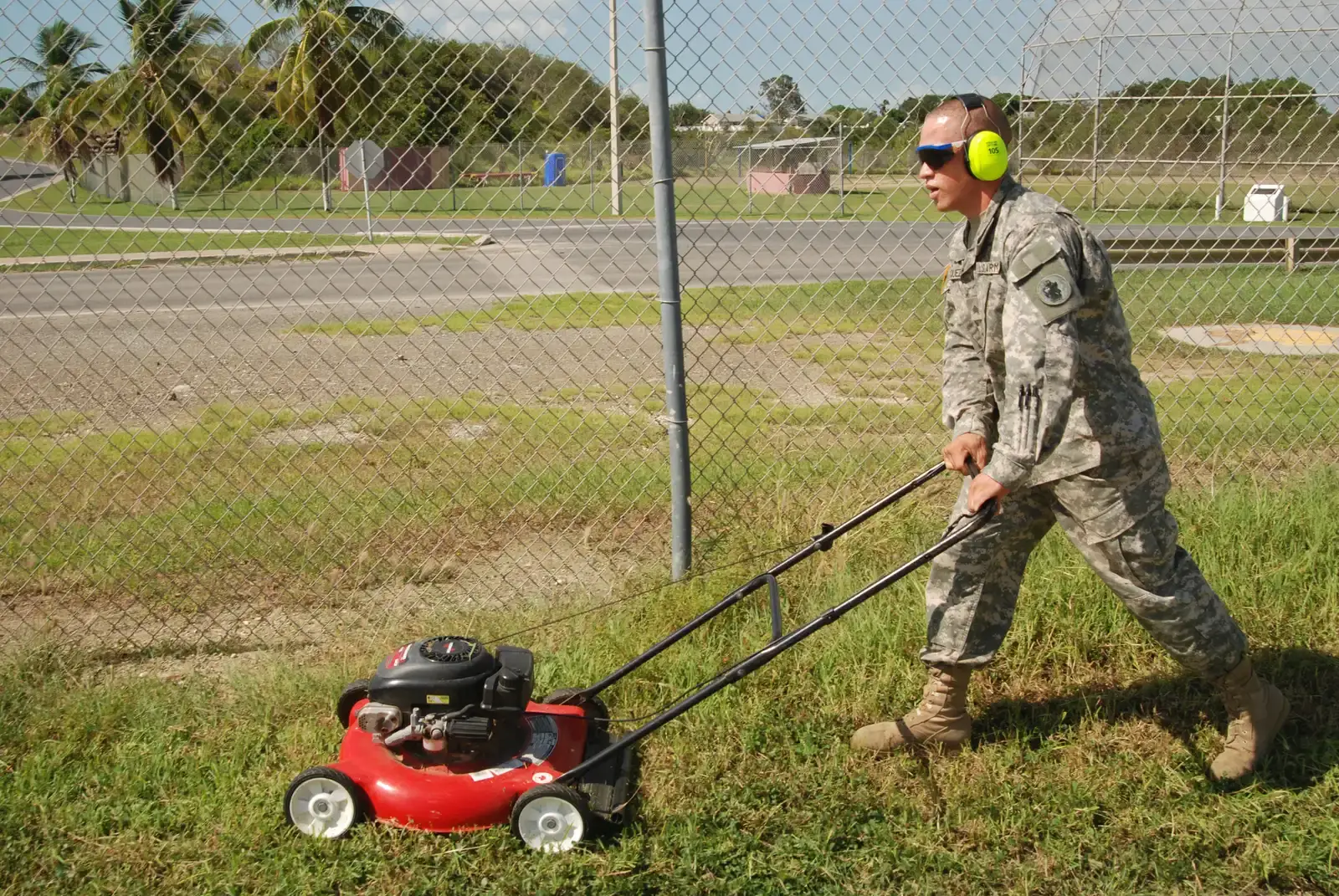
Shifting from same-old mowing unlocks a thriving yard with less effort. These practices, drawn from recent extension research, build resilience against climate shifts. Start small, like alternating directions next cut.
Your lawn evolves into something sustainable and vibrant. Nature rewards variety every time.