
Europe’s most iconic destinations draw millions each year, but the sheer volume of visitors is straining historic centers and local life. Cities once celebrated for their charm now grapple with crowded streets, rising housing costs, and environmental wear. In response, several have rolled out fees targeting day-trippers and short-stay tourists.
These measures aim to ease pressure without scaring away meaningful travel. Venice led the way, and others followed with their versions. Officials hope to fund preservation while encouraging off-peak visits.
Venice, Italy
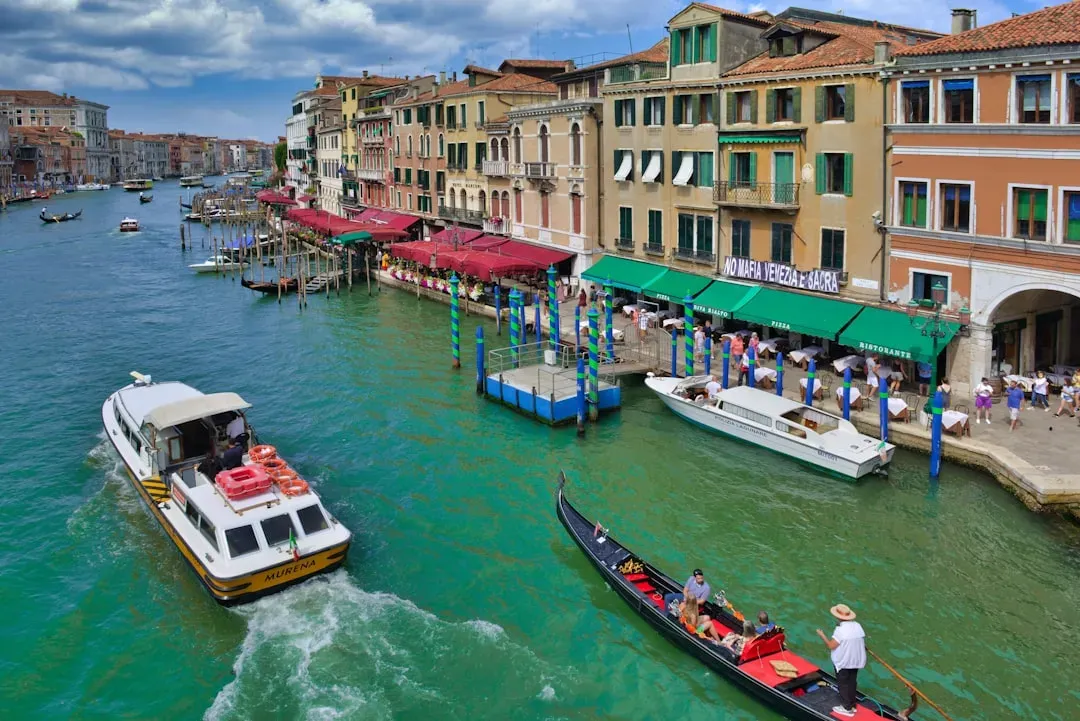
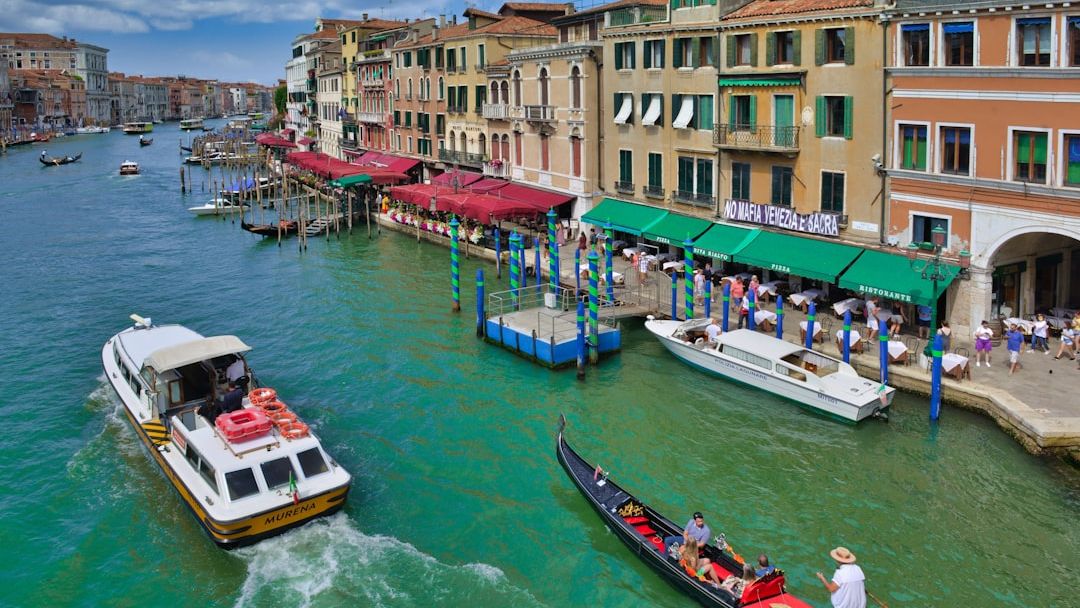
Venice launched the world’s first major daily entry fee for tourists in 2024, charging €5 on 29 peak days to curb overcrowding. The pilot targeted spring and summer weekends when visitor numbers spike. City authorities report 20 to 30 million visitors annually, dwarfing the historic center’s under 50,000 residents. For 2026, the fee returns on 60 days from April to July, with €5 for advance bookings and €10 for last-minute entries, as confirmed by Venice’s official tourism site.
This approach helps monitor arrivals and generate revenue for maintenance. Early results showed fewer crowds on fee days. Still, the city combines it with cruise ship restrictions to protect its fragile lagoon.
Barcelona, Spain
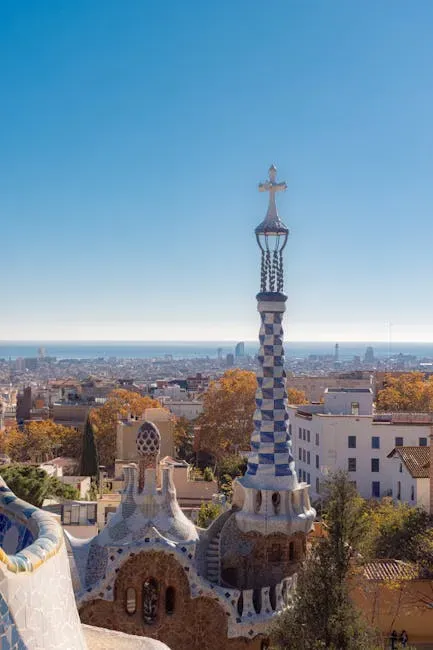
Barcelona has ramped up its tourist tax, reaching up to €7.50 per night including surcharges by 2024, as part of broader anti-overtourism efforts. The city saw over 12 million tourists yearly before the pandemic, fueling housing shortages and infrastructure strain. Recent plans double the nightly levy to further deter mass stays. Local reports highlight how these funds support public services stretched thin by visitor booms.
Day visitors feel the impact through higher accommodation costs tied to the tax. Protests from residents underscore the urgency. Barcelona pairs fees with regulations on short-term rentals to reclaim livable spaces.
Amsterdam, Netherlands
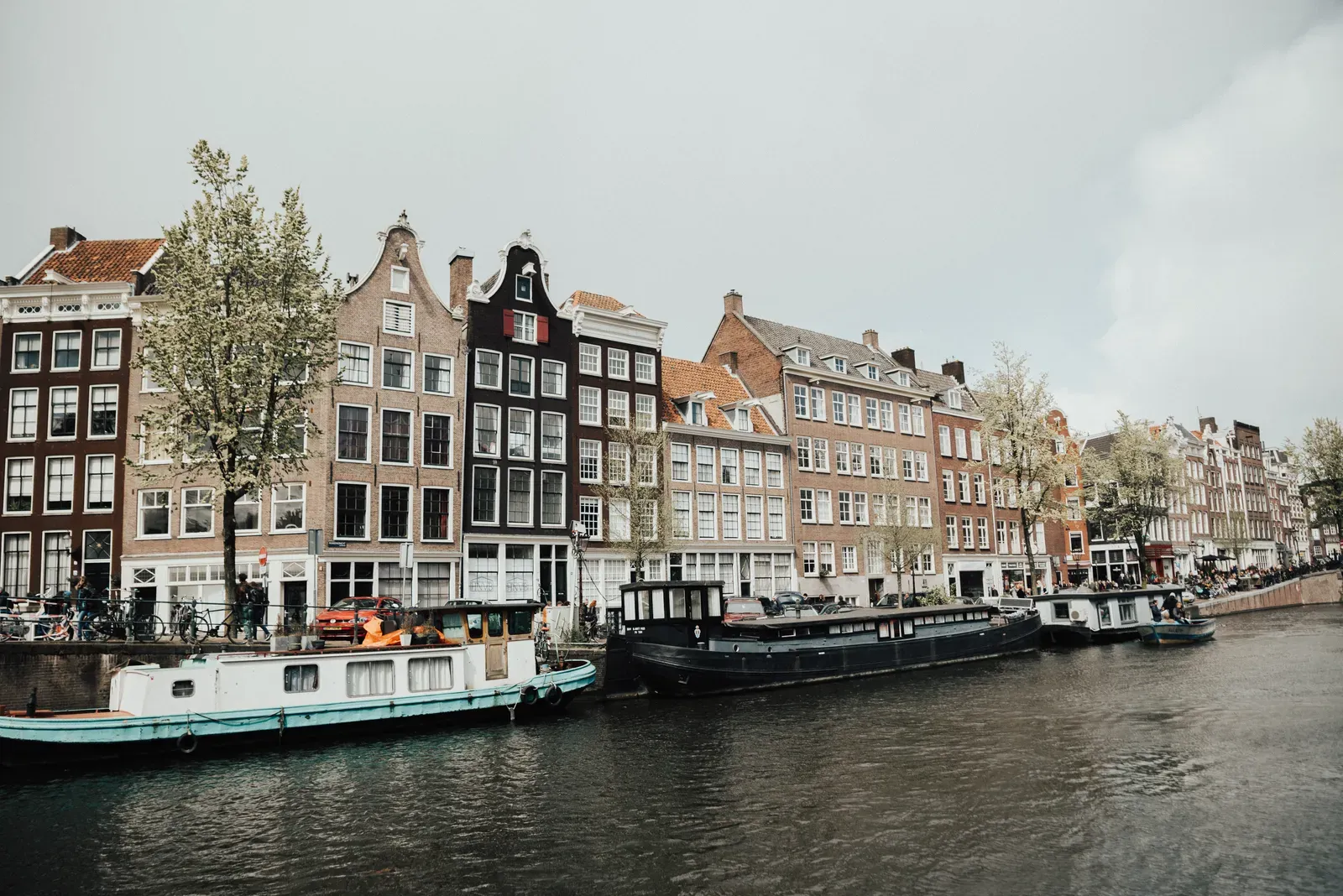
Amsterdam boasts one of Europe’s steepest tourist taxes at 12.5 percent of accommodation costs in 2024, effectively a daily charge for stays. This deters budget day-trippers and large groups while funding city improvements. The policy joins cruise ship limits and tour group caps to safeguard neighborhoods. Officials note the tax averages around €18 per night, hitting harder at pricier hotels.
These steps address livability amid tourism’s growth. A European Commission assessment pegs tourism at about 10 percent of EU GDP, yet it brings urban pressures. Amsterdam’s model influences nearby spots facing similar crowds.
Dubrovnik, Croatia
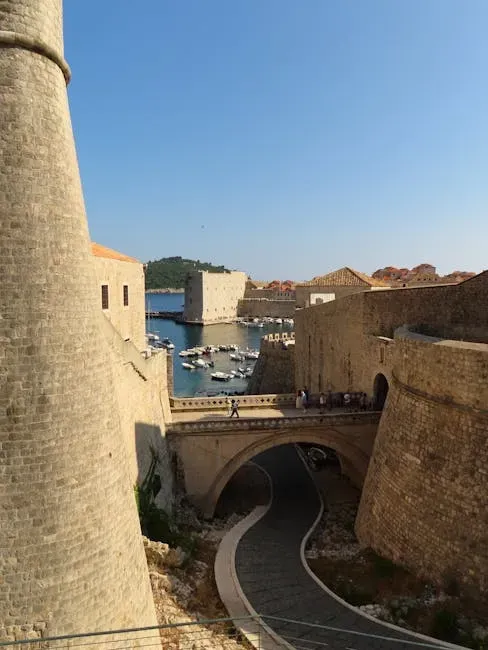
Dubrovnik enforces visitor caps and related fees to stay within UNESCO guidelines, monitoring daily numbers closely. Cruise passenger limits tie into these controls, preventing overwhelming surges. The medieval walls now require advance bookings from 2026 to manage flows. A World Tourism Organization report from 2023 flags global arrivals rebounding to 88 percent of pre-pandemic levels, worsening such hotspots.
Fees support preservation of the UNESCO site amid rising pressures. Locals welcome the balance between economy and endurance. Combined with monitoring tech, it keeps the old town breathable.
Looking Ahead
These cities show a shift toward sustainable tourism, blending fees with caps and incentives. Revenue from levies already aids conservation and services. Travelers might plan smarter, visiting shoulders seasons for quieter paths.
Over-tourism won’t vanish overnight. Yet targeted fees offer a practical path forward. Europe balances welcome with well-being, one visitor at a time.