Iranian Commander Issues Dire Trade Warning (Image Credits: Pexels)
Mediators edged toward prolonging the tenuous two-week truce between the United States and Iran on Wednesday, just days before its April 22 expiration. Regional officials disclosed an in-principle accord to buy time for deeper diplomacy, even as a U.S. naval blockade strained the deal. Iranian leaders issued stark warnings of trade disruptions, underscoring the high stakes in the Persian Gulf.
Iranian Commander Issues Dire Trade Warning
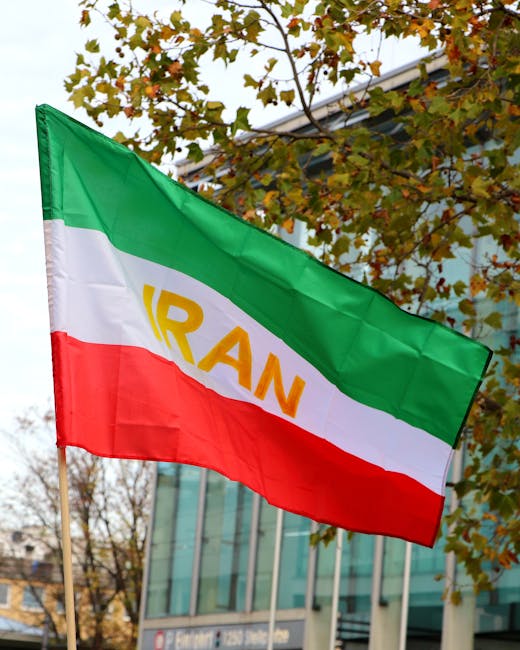
A senior figure in Iran’s joint military command declared that Tehran would seal off exports and imports across the Persian Gulf, Sea of Oman, and Red Sea unless the U.S. ended its port blockade. Commander Ali Abdollahi emphasized national resolve, stating, “Iran will act with strength to defend its national sovereignty and its interests.” This threat came amid reports of halted shipping traffic in the Strait of Hormuz.
U.S. Central Command confirmed Tuesday that no vessels breached the blockade in its initial day, with six merchant ships redirected back to Iranian waters. The measure aimed to curb Tehran’s oil exports, primarily to Asia, which have sustained the country through shadowy voyages evading oversight since hostilities erupted on February 28.
Mediators Tackle Core Negotiation Hurdles
Before the deadline, envoys focused on three pivotal issues that stalled prior discussions: Iran’s nuclear activities, control of the Strait of Hormuz, and reparations for conflict damages. A regional source familiar with the talks highlighted these as the main barriers. Iranian Foreign Ministry spokesman Esmail Baghaei indicated willingness to negotiate enrichment levels, provided Tehran could sustain the process based on its requirements.
The U.S. maintained it had not endorsed an extension formally, with a senior official describing ongoing “engagement” under anonymity due to negotiation sensitivities. Casualties mounted across the conflict zone, fueling urgency.
| Location | Fatalities |
|---|---|
| Iran | At least 3,000 |
| Lebanon | More than 2,100 |
| Israel | 23 |
| Gulf Arab states | Over a dozen |
| U.S. service members | 13 |
Global Markets React to Flickering Hopes
The seven-week war disrupted supply chains, shuttering shipping lanes and pummeling infrastructure, which rattled economies far beyond the Middle East. Oil prices dipped Wednesday on optimism for de-escalation, while U.S. stocks climbed near January peaks. Iran’s partial strait closure, vital for one-fifth of global oil in normal times, had previously driven up fuel and commodity costs worldwide.
Former President Trump voiced confidence in a resolution during a Fox Business interview excerpt, saying, “I think they want to make a deal very badly” and deeming it “very close to over.” He also asserted China pledged to withhold arms from Iran, tying it to Strait of Hormuz access, amid past U.S. claims of Beijing’s missile support. Pakistan’s finance minister Muhammad Aurangzeb affirmed continued mediation pushes.
Parallel Fighting Rages in Lebanon
Israel sustained airstrikes and ground operations in southern Lebanon, targeting Hezbollah positions near Bint Jbeil, as reported by Lebanon’s National News Agency. These actions persisted post direct Israel-Lebanon talks in Washington, the first in decades. Israeli Ambassador Yechiel Leiter framed alignment against Hezbollah, while Lebanese Ambassador Nada Hamadeh Moawad deemed the session “constructive” yet pressed for a halt, with over 1 million displaced since March.
The nations have remained in a technical state of war since 1948, complicating overtures amid Lebanon’s internal rifts.
Key Takeaways
- Mediators secured an in-principle extension nod, but U.S. formal approval awaits.
- Blockade and trade threats center on Strait of Hormuz, nuclear talks, and damages.
- War’s toll exceeds 5,000 deaths; markets swing on truce prospects.
As the April 22 deadline looms, the ceasefire’s survival hinges on bridging divides before retaliation spirals. Swift compromise could steady oil flows and regional stability. What steps should leaders take next? Share your views in the comments.