Nasdaq Leads Equity Rebound (Image Credits: Unsplash)
Wall Street has embraced signs of de-escalation in the U.S.-Iran conflict, propelling major indices to new heights. The Nasdaq Composite recently marked its longest winning streak in over a decade amid optimism over ceasefire talks and potential diplomatic breakthroughs.[1][2] Yet oil prices, though retreating from recent peaks, remain elevated well above pre-war levels, signaling caution among energy traders who doubt a swift resolution.[3]
Nasdaq Leads Equity Rebound
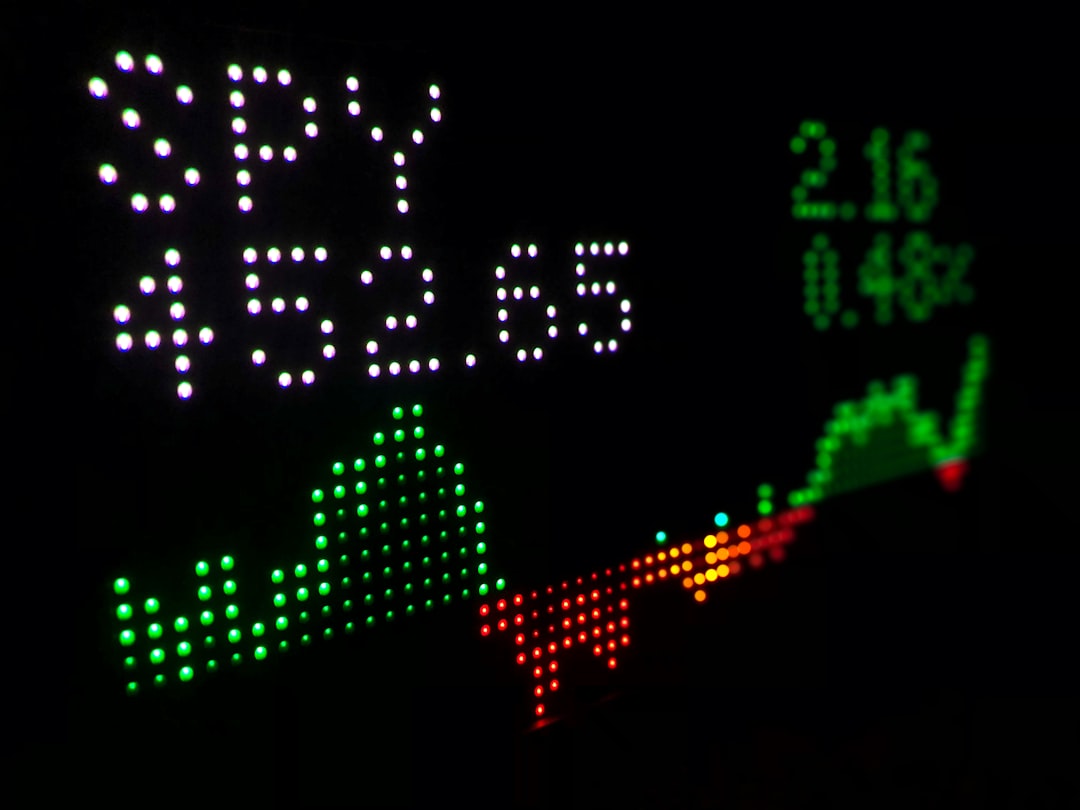
The tech-heavy Nasdaq notched 12 straight days of gains, its longest streak since 2009, as investors priced in progress toward ending hostilities.[1] This momentum carried the index to a close of 24,102.70, up 0.4 percent in the latest session.[2] The S&P 500 also extended its record run, settling above 7,000 for a second consecutive day at 7,039.37, a 0.2 percent increase.[1][2]
Tech stocks spearheaded a V-shaped recovery since initial ceasefire discussions emerged. The broader market reflected resilient U.S. economic data, including steady labor figures despite energy pressures. Earnings from companies like PepsiCo beat expectations, further bolstering sentiment.[2]
- Nasdaq Composite: +0.4% to 24,102.70 (12-day win streak)
- S&P 500: +0.2% to 7,039.37 (above 7,000)
- Dow Jones: +0.2% to 48,578.60
Roots of the Geopolitical Tension
Tensions escalated in late February when U.S. and Israeli forces launched operations against Iran, prompting Tehran to restrict access to the Strait of Hormuz, a vital artery for global oil shipments.[2] This disruption fueled fears of prolonged supply shortages and inflationary spikes. Markets plunged in March, with the S&P 500 dropping over 9 percent from its prior peak and the Nasdaq falling nearly 14 percent.[2]
A turning point arrived in early April with the announcement of a two-week ceasefire on April 7, followed by initial negotiations in Pakistan.[2] President Donald Trump highlighted productive discussions, stating, “The stock market is good, the oil prices are coming down, and it’s looking very good that we’re going to make a deal with Iran – and it’s going to be a good deal, it’s going to be a deal with no nuclear weapons.”[2] Fresh talks loomed as the temporary truce neared its end.
Oil’s Stubborn Resistance
Crude benchmarks eased but hovered near $90-$95 per barrel, far from pre-conflict levels around $70 and down from a high of $119.[3] West Texas Intermediate settled at $89.84, a 5.12 percent drop, while Brent reached $94.93, off 4.49 percent.[2] Traders appeared positioned for extended uncertainty rather than a quick peace.
Veteran economist Ed Yardeni observed, “Oil futures traders apparently aren’t as sanguine as equity investors about when the chaos of war will end.”[1] The Strait’s partial closure continued to weigh on supply outlooks, with U.S. naval actions turning away vessels.[2]
| Asset | Recent Close | Daily Change |
|---|---|---|
| S&P 500 | 7,039.37 | +0.2% |
| Nasdaq | 24,102.70 | +0.4% |
| WTI Crude | $89.84 | -5.12% |
| Brent Crude | $94.93 | -4.49% |
Investor Implications and Diverging Views
The split highlights differing risk appetites: equities focus on corporate resilience and de-escalation upside, while oil anticipates potential flare-ups.[1] Light trading volumes suggested short covering drove much of the stock rally rather than broad buying.[2] Global inflation forecasts ticked higher to 4.4 percent, partly due to energy costs.
Asian and European markets showed mixed responses, with energy-dependent economies watching closely. U.S. firms benefited from lower input costs if oil stabilized further.
Key Takeaways
- Equities rebounded sharply on ceasefire progress, with Nasdaq at 12-day highs.
- Oil retreated but stayed elevated, reflecting trader skepticism.
- Strait of Hormuz remains a flashpoint for supply risks.
As peace talks advance, markets hang in the balance between hope and hedge. A durable deal could unlock further gains across assets, but setbacks might reverse the equity surge swiftly. What implications do you see for your portfolio? Share in the comments.