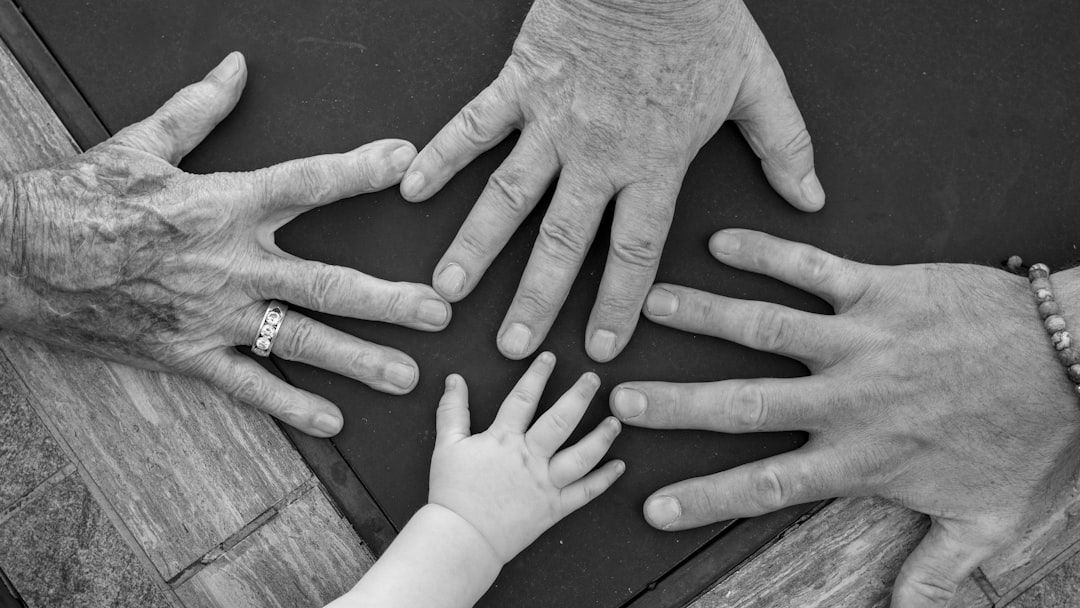

Millions of Americans now chase their genetic roots through at-home DNA kits. The ancestry testing market hit about 2.6 billion dollars in value last year and keeps expanding rapidly.[1][2] Companies like AncestryDNA boast databases with 15 million users, while 23andMe holds around 12 million.[3][4]
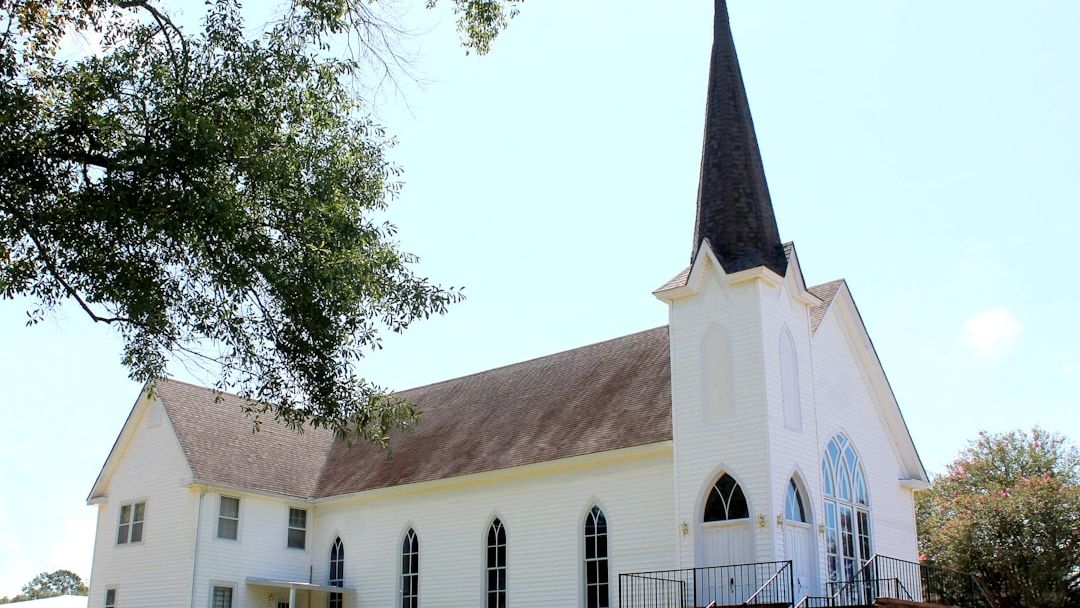
Yet neighborhood ties weaken. Recent surveys reveal only 26 percent of adults know most or all their neighbors, with 12 percent knowing none.[5] Another poll found just 30 percent connect beyond casual hellos.[6]
The Surge in DNA Kit Sales

Direct-to-consumer genetic testing exploded in recent years. The market grew from under 2 billion dollars in 2024 to over 2.6 billion by 2025, with projections doubling soon.[1][7] AncestryDNA updated its ethnicity estimates in 2025, drawing even more users to refine their family stories.[8]
Awareness stands high at 72 percent among adults for ancestry tests. This reflects easy access via mail-order kits that promise instant heritage insights.[9] Steady database growth, like Ancestry’s 15 million profiles by early 2026, fuels matches and discoveries.[4]
Rootlessness from Recent Immigration

Many American families trace back just a few generations. This short history leaves people hungry for deeper connections to the past.[10] Unlike Europeans with centuries-old local ties, Americans often lack handed-down stories or traditions.
DNA tests fill that void with percentages from distant lands. They offer a sense of belonging in a nation built by migrants.[11] Curiosity drives sales as folks seek confirmation of family tales or surprises like unexpected ethnic mixes.
Fading Trust in Neighborhoods

Neighbor trust dropped to 44 percent who feel confident in most or all nearby. That’s down from 52 percent a decade earlier.[12] People report knowing only some neighbors, with 74 percent not close to everyone around them.[13]
Over half seldom chat with community members they barely know. Urban life and busy schedules contribute to this distance.[14] Homeowners know more names than renters, but overall bonds loosen.
Social Isolation Fuels Past Searches

Loneliness affects 41 percent of adults regularly. Social disconnection rose amid remote work and digital habits.[15] Three-quarters rarely gather with close ones, per recent national data.[16]
Turning to ancestry provides virtual kinships. Distant DNA cousins offer links when local ones fade.[10] This inward focus sidesteps the effort of building nearby relationships.
Marketing’s Pull on Curiosity

Companies like Ancestry and 23andMe run savvy campaigns. They highlight emotional reveals, from Viking roots to lost relatives.[17] Holiday sales spike as gifts promise personal revelations.
Updates keep users hooked, like 2025’s refined reports. Over 70 percent cite family history as a top motivator.[18] Easy online access turns impulse into action for millions.
The Allure of Ethnic Percentages

Tests deliver pie charts of heritage, blending Irish, Nigerian, or Italian. This quantifiable identity captivates in a diverse society.[19] People share results on social media, sparking trends.
Yet results evolve with database growth. A 2025 Ancestry update shifted many users’ breakdowns, keeping engagement high.[8] It satisfies a quest for uniqueness amid blending cultures.
Decline in Everyday Interactions

Only 17 percent actively seek neighbor chats. Still, 68 percent got help from one recently, showing potential.[20] Casual waves replace deeper talks in suburbs and cities alike.
Mobility disrupts roots. Frequent moves mean less investment in local faces.[21] Screens fill time once spent on porches or block parties.
Identity Crisis in Modern Life

America’s individualism pushes personal stories over communal ones. Genealogy sites thrive as folks craft narratives from genes.[19] It counters feelings of anonymity in big populations.
Assimilation erased old customs for many. DNA revives a selective past, easier than forging present ties.[10] This focus inward ignores the folks next door.
Digital Cousins Over Real Ones
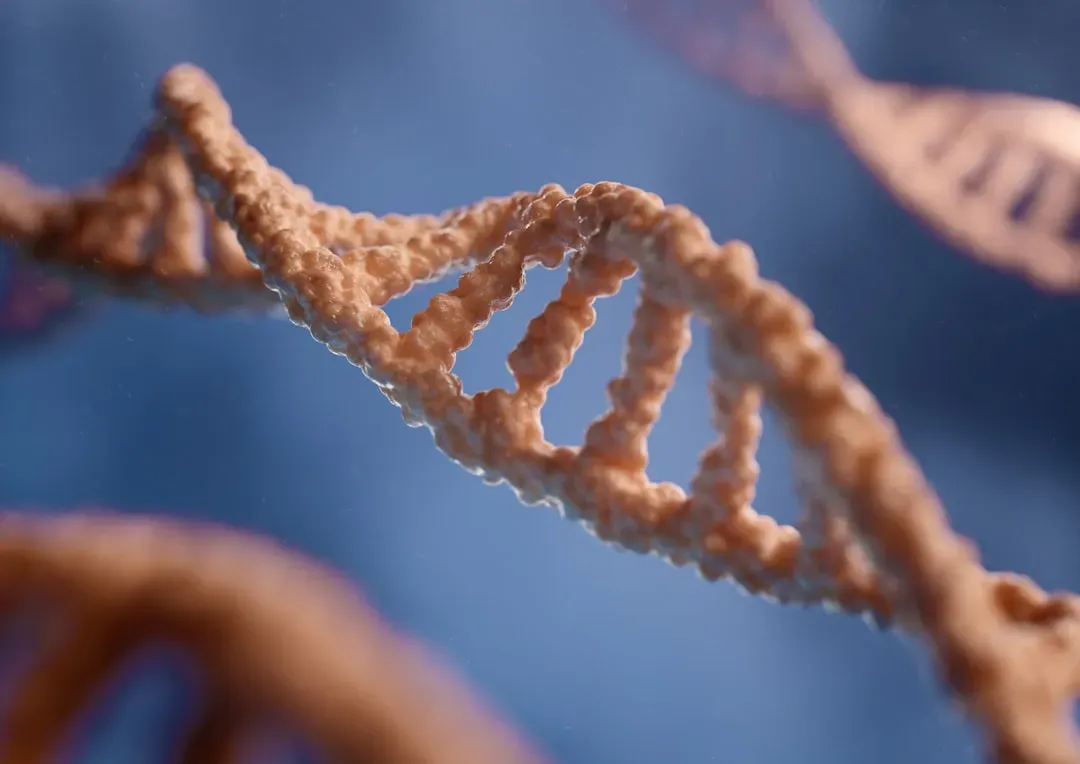
Databases link users to thousands of matches. Ancestry’s growth ensures frequent new relatives appear.[22] Excitement from these virtual bonds outshines local hellos.
Social media amplifies shares of family trees. Groups form around shared DNA, mimicking communities online.[23] Physical neighbors fade in comparison.
Privacy Risks and Still Growing
Despite 23andMe’s 2025 bankruptcy and data worries, testing persists. Users weigh revelations against breach fears.[24] Ancestry leads with robust privacy claims.
Interest holds as benefits seem to outweigh risks for most. This underscores deep pull of ancestral quests.[25] Local anonymity feels safer than genetic exposure anyway.
As ancestry kits proliferate, the contrast sharpens between distant pasts and ignored presents. Stronger neighbor ties could balance this inward turn, fostering real-world roots too. In a connected yet isolated age, perhaps blending both worlds offers the fullest picture.