
The Smartphone Takeover
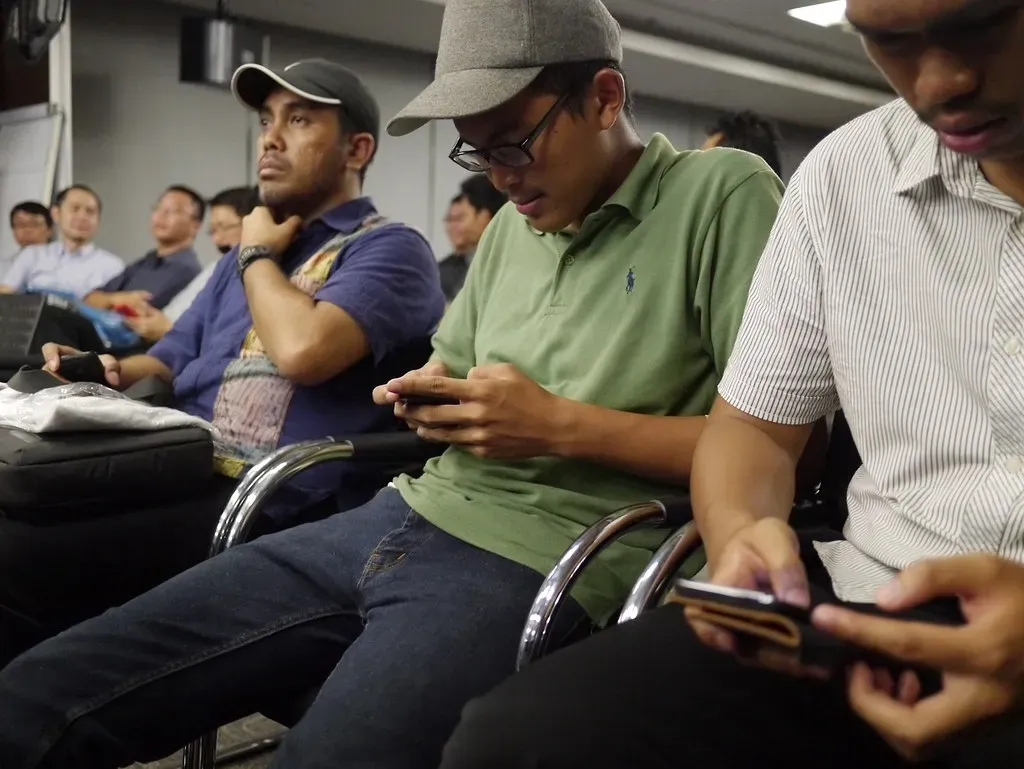
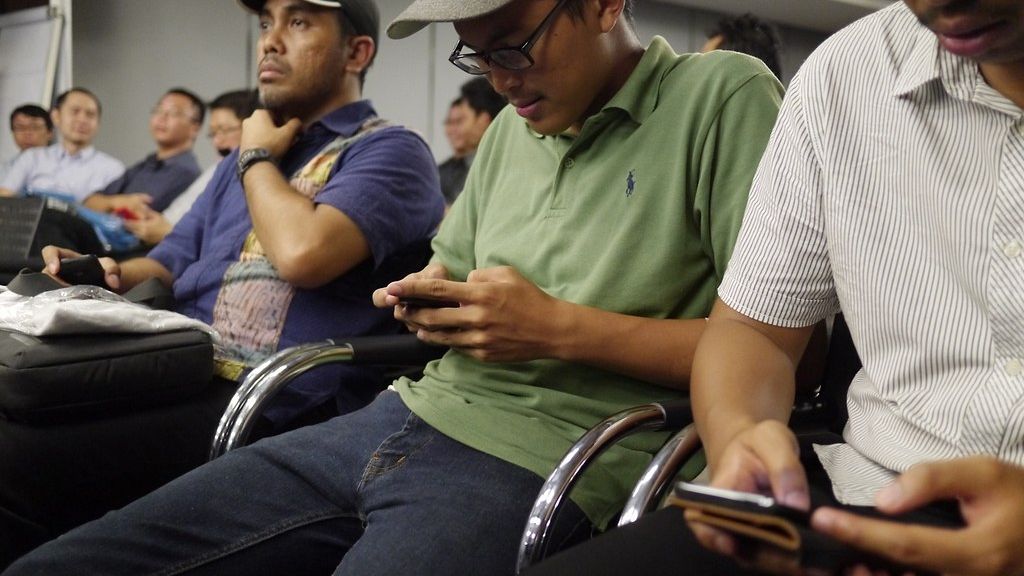
Smartphones have become ubiquitous around the world, with over 6.8 billion users carrying one in their pocket at all times. This massive adoption means nearly everyone has instant access to texting, turning it into the go-to way to reach someone just steps away. People no longer need to fumble for keys or wait for a ring; a quick message announces their presence silently and efficiently. In busy households, this shift keeps things smooth without the chaos of unexpected noise. Neighbors text about borrowing tools instead of knocking, preserving a quiet rhythm to daily life. Friends arriving for game night send a heads-up from the driveway, avoiding any surprise jolts. Even kids text parents from the school bus stop, coordinating pickups seamlessly. This constant connectivity has woven texting into the fabric of how we interact at our doorsteps.
The convenience extends to every corner of life, from quick check-ins to full plans shared via group chats. No one misses a beat because texts demand less immediate attention than a persistent doorbell chime. In multicultural neighborhoods, language barriers fade as emojis and voice notes bridge gaps effortlessly. Elderly folks appreciate the non-intrusive pings over loud rings that startle. Delivery folks rely on it daily, snapping photos of packages left curbside after a confirming text. Social circles expand without the awkwardness of cold door approaches. Over time, this has normalized texting as the polite, modern entry point to any home visit. The doorbell gathers dust while phones buzz with purpose.
Texting’s Lightning Speed
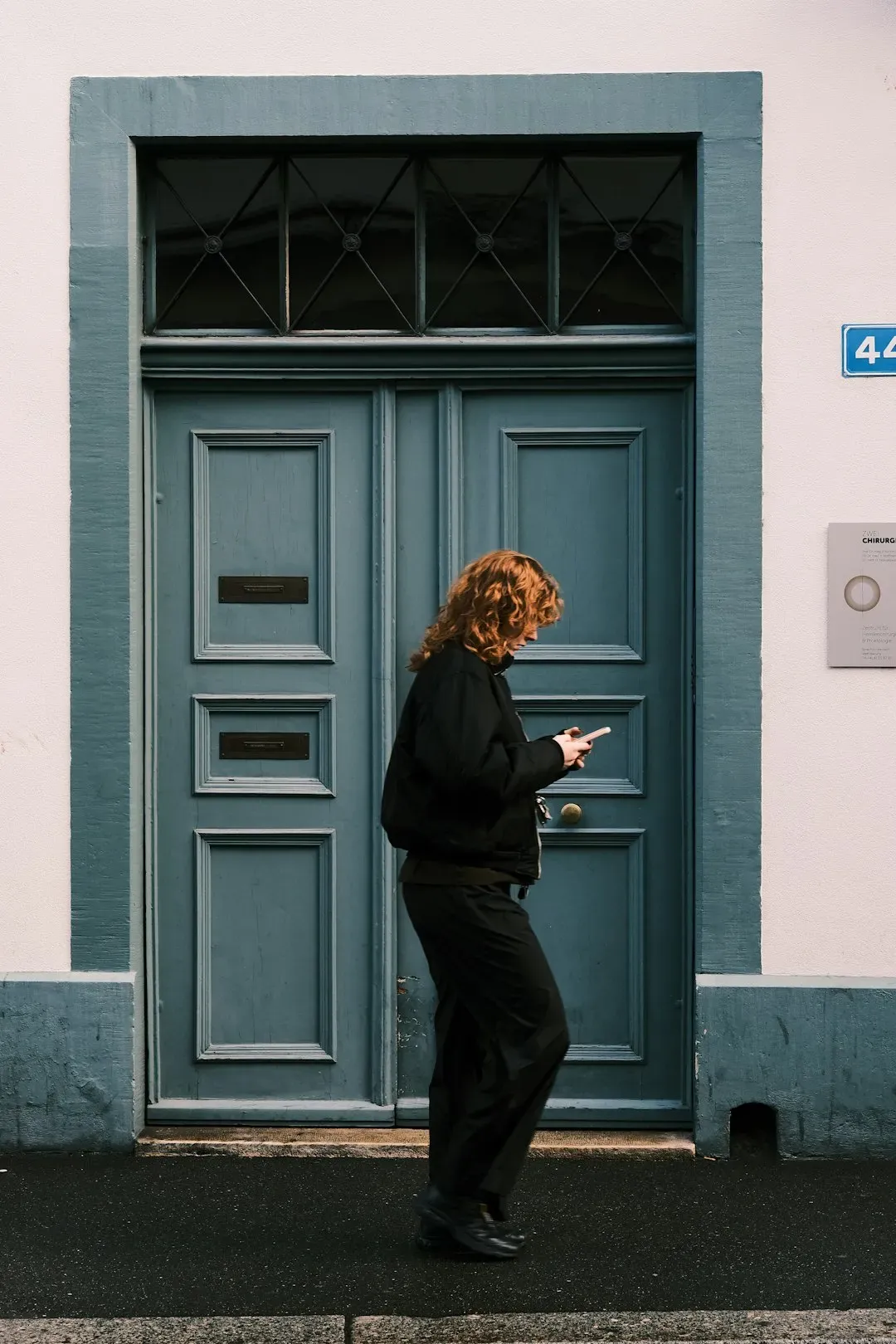
Studies reveal that over 90 percent of text messages get read within just three minutes, outpacing any doorbell’s hopeful ding. This speed creates a responsive loop where the person inside can prepare or even wave from a window before opening up. No more standing in awkward silence, wondering if the ring was heard amid laundry machines or barking dogs. Texting lets you time your arrival perfectly, syncing with the host’s schedule down to the minute. In apartments with multiple units, it pinpoints exactly who you’re there for without buzzing the wrong intercom. Parents get a text from teens outside, replying with “door’s unlocked” in seconds. This efficiency has made waiting at doors a relic of slower times. Real-time updates via shared locations add another layer of precision to meetups.
Contrast this with doorbells, which often lead to missed connections or hurried scrambles. Texts allow for context, like “running 2 min late” or “parked down the street.” Busy professionals multitask right up until the notification, then transition smoothly. Families coordinate meal preps without interruptions, texting “here with pizza” from the car. The data underscores why this method sticks: it’s reliable and frictionless. Even in bad weather, a text confirms shelter spots without ringing wet hands. Social norms evolve around this responsiveness, rewarding those who text first. Doorbells simply can’t compete in our fast-paced world.
Smart Doorbells’ Unexpected Role
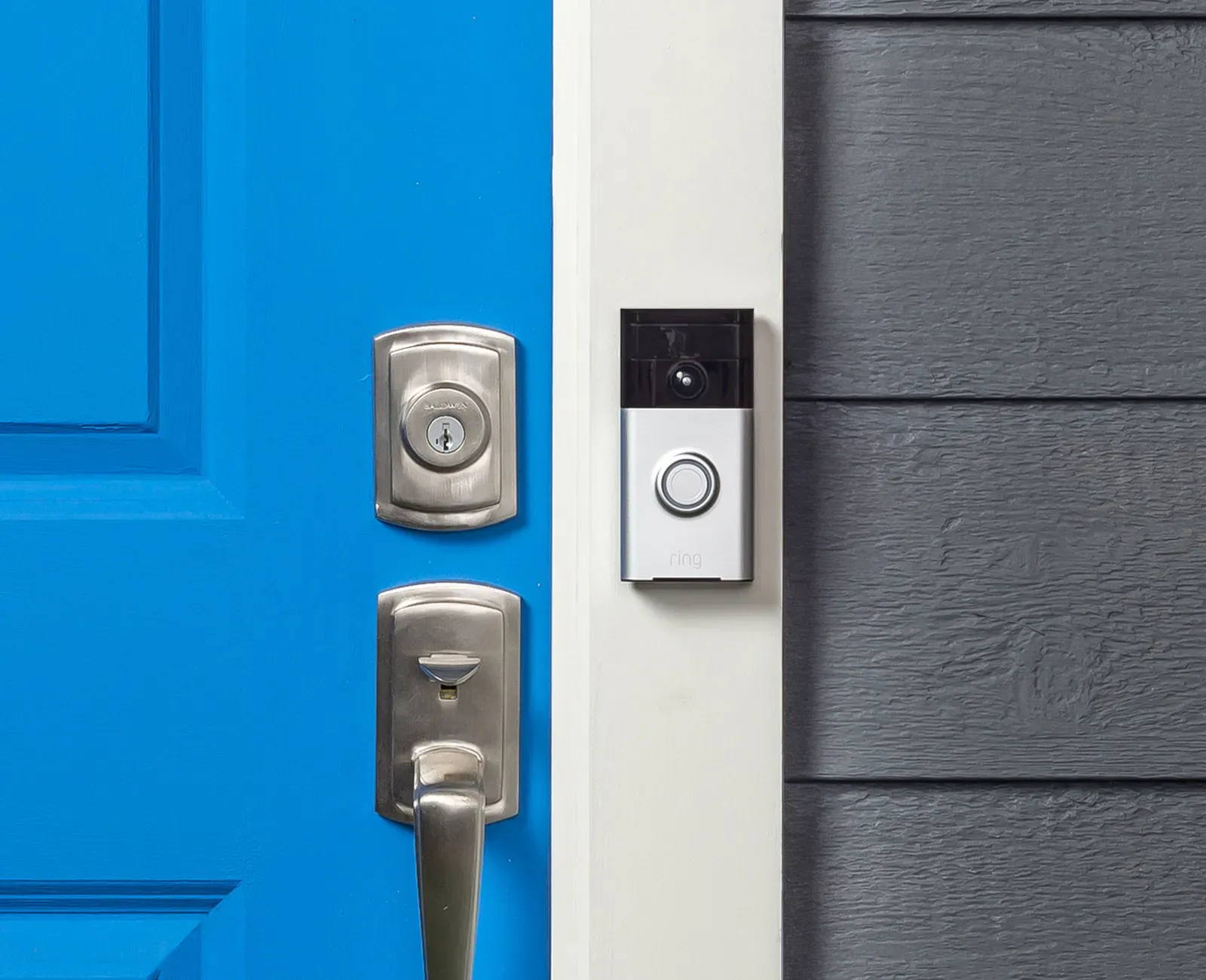
Video doorbells have exploded in popularity, with millions of households installing them for better security and remote peeks. Yet this tech ironically accelerates the doorbell’s decline by encouraging pre-arrival texts. Owners check apps first, texting back “come around back” or “not a good time” without ever pressing the button. These devices notify via phone anyway, mimicking a text’s discreet alert. In shared homes, roommates vote via group chat on whether to buzz someone in. The growth reflects a broader caution, where seeing who’s there precedes any interaction. Families use them to screen solicitors silently, opting for texts with known visitors. This fusion of hardware and messaging buries traditional rings deeper.
Installation surges tie directly to urban security worries, pushing more digital confirmations. Neighbors form watch groups on apps, texting alerts before approaching doors. The cameras capture everything, reducing the need for in-person verification. Remote workers glance at feeds while on calls, replying via text without breaking focus. Subscriptions for cloud storage make reviewing visits as easy as scrolling chats. Younger users customize chimes to silent modes, defaulting to messaging. This tech evolution cements texting as the safer, smarter prelude to entry. Doorbells become backup tools at best.
Younger Generations Lead the Charge
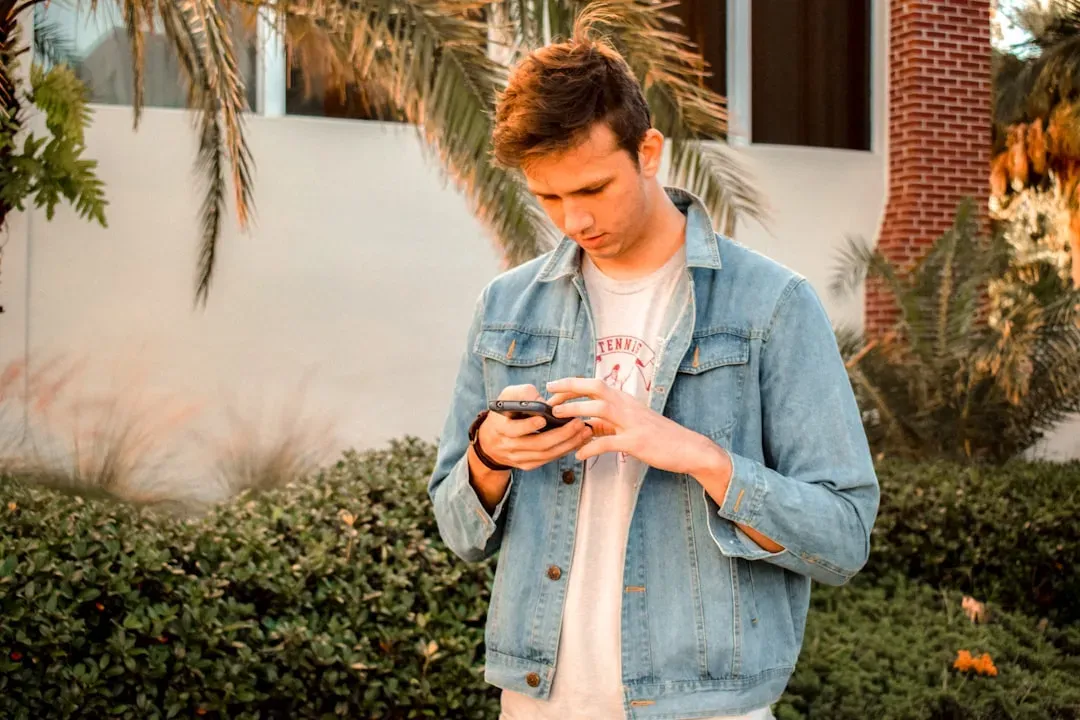
Surveys highlight how younger people overwhelmingly favor texting over face-to-face door encounters, citing ease and less pressure. Gen Z and millennials grew up with phones as extensions of themselves, making rings feel outdated and intrusive. They coordinate hangouts entirely digitally, arriving only after a “here” ping. This preference shapes family dynamics too, with kids texting parents from the porch. Social anxiety finds relief in the buffer of a screen before real interaction. Group visits get pre-vetted via chats, streamlining arrivals. Campus dorms buzz with texts for study buddies outside. The trend spreads upward, influencing even boomers through grandkids.
In professional networks, young realtors text “outside for showing” to clients, skipping formal rings. Dating apps extend to doorstep meetups confirmed by message. Friendships sustain across moves with effortless texts upon visits. This generation redefines hospitality around digital cues. Parents adapt, installing Wi-Fi for seamless kid check-ins. Cultural media portrays texting arrivals as the norm in shows and TikToks. The shift feels organic, born from lifelong screen habits. Doorbells fade as relics in youth-driven social spheres.
Urban Noise and Silent Preferences
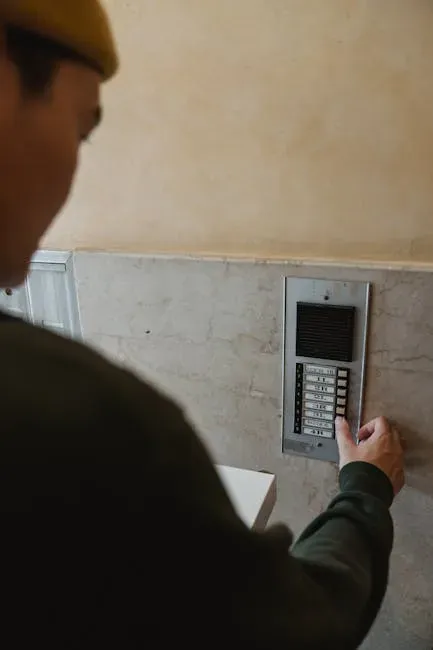
City living amplifies noise sensitivity, with more folks craving quiet alerts over jarring doorbell blasts. Apartments stack units vertically, where one ring echoes through walls to multiple homes. Shared housing norms demand discretion, favoring texts that vibrate softly. Night-shift workers text daytime visitors to avoid wake-ups. Open-plan homes let sounds travel freely, making silent notifications ideal. Pets stay calm without startled barks from chimes. This urban reality pushes texting as the courteous choice. Neighborhood apps reinforce it with quiet arrival protocols.
High-rises install app-based entry, bypassing bells entirely for texted codes. Commuter fatigue heightens aversion to extra sounds at home. Wellness trends promote low-stress environments, aligning with message pings. Families in dense areas sync kids’ returns via texts, no rings needed. Construction noise fatigues make digital silence golden. Community guidelines often suggest texting first in quiet hours. The collective preference builds a culture of muted approaches. Doorbells disrupt what texting preserves: peace.
Deliveries Set the Precedent
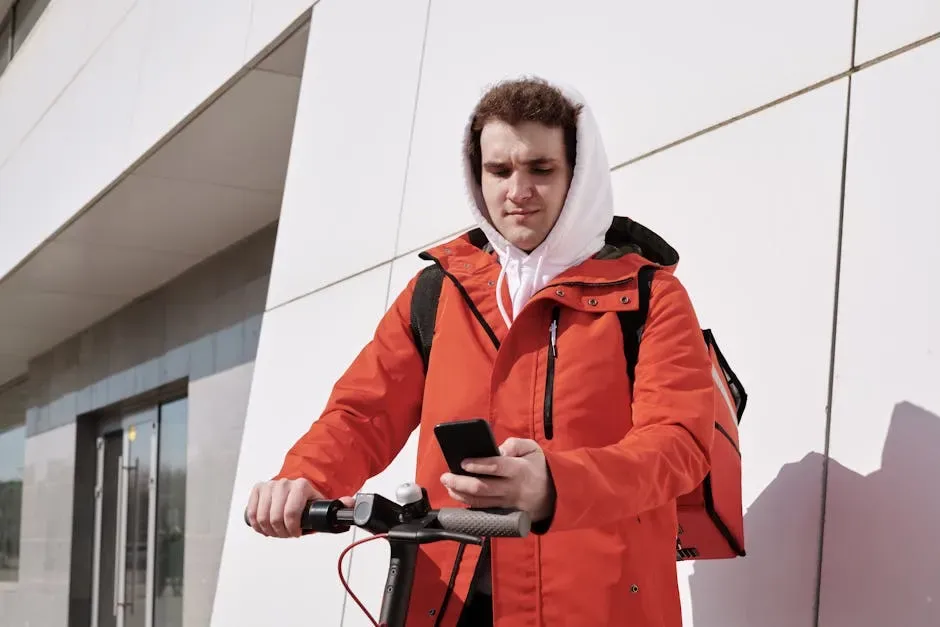
Food and e-commerce giants direct drivers to text or call upon arrival, embedding the habit nationwide. Platforms like Uber Eats and Amazon build it into apps, with “notify when here” as default. Packages wait safely after a photo-text confirmation, no door knock required. This scales to millions daily, normalizing the practice for all visitors. Neighbors see couriers typing away, mimicking the move themselves. Tips improve with quick responses to “left at door?” queries. The volume trains everyone: text first, always. Traditional delivery bells vanish from memory.
Grocery services text slot times precisely, coordinating porch pickups. Holiday rushes amplify reliance on this silent system. Rural routes adopt it too, texting farm gates open. Businesses receive bulk shipments via pre-confirmed messages. Customer satisfaction scores rise with seamless handoffs. Drivers appreciate avoiding dog chases or wrong doors. The industry standard trickles into personal use effortlessly. Texting becomes synonymous with reliable arrival.
Remote Work Reshapes Home Etiquette

Remote work booms make interruptions a top concern, steering people toward non-disruptive texts. Zoom calls demand focus, so a buzz risks professional slip-ups. Households schedule visits around work blocks via shared calendars and pings. Spouses text “home now” from the garage during meetings. This awareness extends to friends, who wait for “call ended, come in.” Productivity tools integrate arrival notifications seamlessly. The pandemic accelerated it, blending work and home boundaries carefully. Texts respect these new rhythms perfectly.
Flexible hours mean unpredictable availability, solved by instant messages. Coworkers dropping docs text from the curb first. Families protect nap times or study sessions similarly. Home offices multiply, each needing quiet zones. Global teams normalize digital check-ins regardless of location. Burnout avoidance favors controlled interactions. The shift lingers post-pandemic, embedding caution. Doorbells clash with this deliberate pace.
Messaging Apps Rule Communication
Apps like WhatsApp and iMessage handle daily chats, eclipsing landlines and door chimes entirely. End-to-end encryption adds trust for quick home updates. Group features coordinate multiple arrivals at once. Voice notes offer nuance without ringing. Stickers and GIFs make announcements fun and light. Cross-platform sync keeps everyone looped in. Billions of daily messages dwarf old-school methods. Texts evolve into full conversation starters at thresholds.
Rich media previews show who’s outside via shared cams. Read receipts confirm awareness without pressure. Location sharing pinpoints exact spots. Emergency overrides ensure safety nets. Cultural memes celebrate “text on arrival” humor. Families abroad stay connected the same way. The dominance feels total, intuitive. Doorbells can’t match this versatility.
Security Drives the Switch
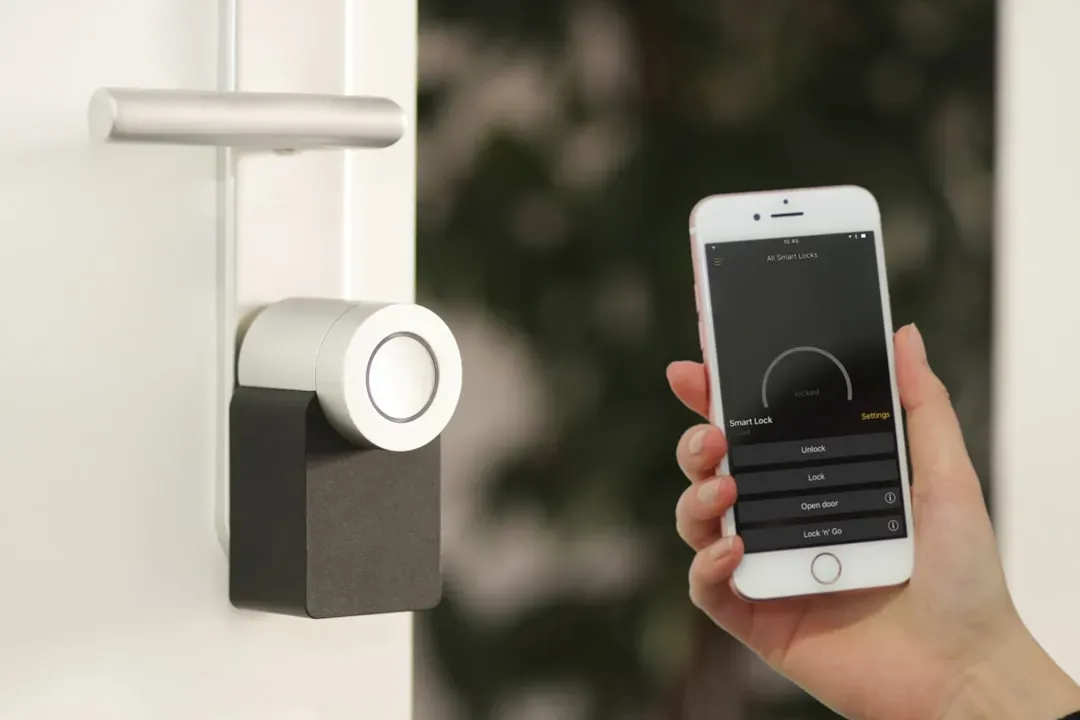
Heightened security worries prompt avoiding doors for strangers, leaning on texts for vetted guests. Apps verify identities before any approach. Porch piracy drops with timed, confirmed drops. Neighborhood watches text warnings fleetly. Solo dwellers screen via video first, replying digitally. Insurance perks reward smart, texted protocols. This vigilance reshapes casual visits too. Texts build a safety buffer universally.
Crime stats fuel camera installs, paired with message confirms. Kids learn to text “stranger here” instantly. Community gates use app summons over bells. Travel returns start with “back, text before visiting.” Vigilant parenting mandates it for playdates. The caution feels empowering, not paranoid. Digital trails deter issues effectively. Open doors yield to secured texts.
Social Norms Evolve Quietly
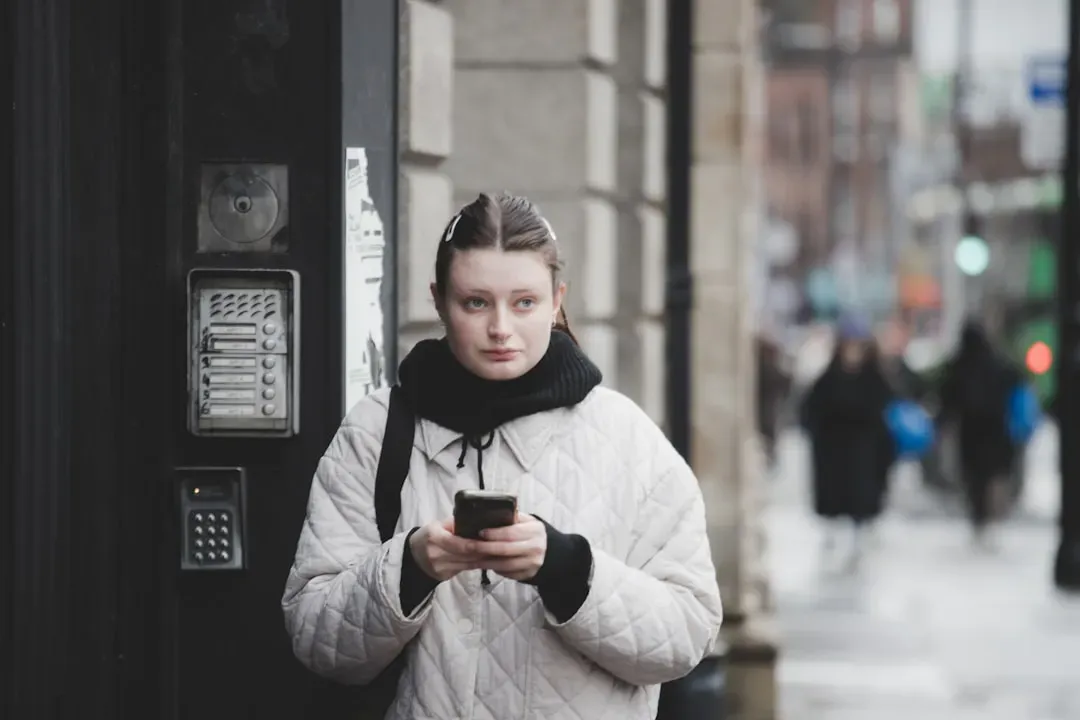
Behavioral insights show digital exchanges cut anxiety, easing doorstep meets. Pre-text buffers allow composure checks. Norms now deem ringing presumptuous without notice. Friendships deepen via ongoing chats before faces. Inclusivity rises as texts accommodate needs. Global travels normalize it across cultures. The comfort spreads organically. Texts humanize arrivals softly.
Societal friction dips with polite pings first. Awkward silences vanish pre-entry. Empathy guides timing via replies. Collectives adapt swiftly to this ease. Future interactions lean even more virtual. The change feels progressive, natural. Anxiety’s edge dulls reliably. Doorbells echo as distant past.