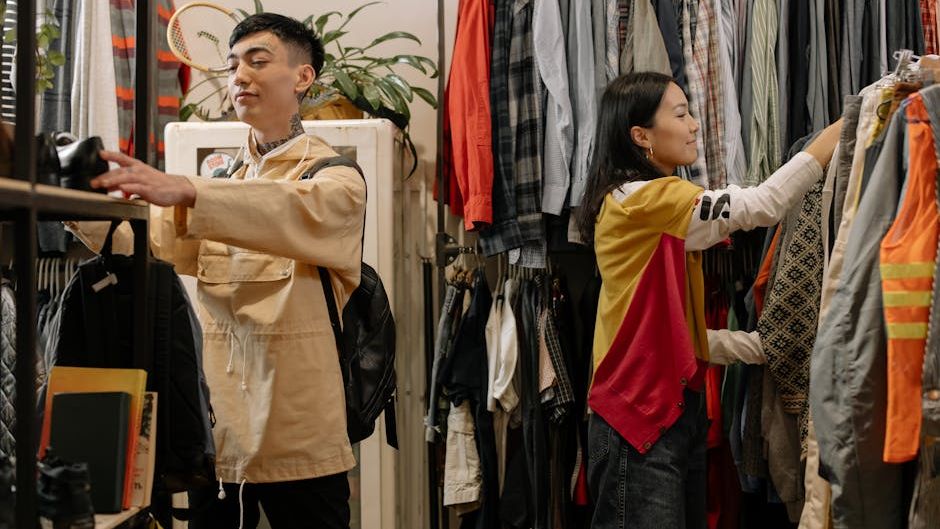

1. Clothing
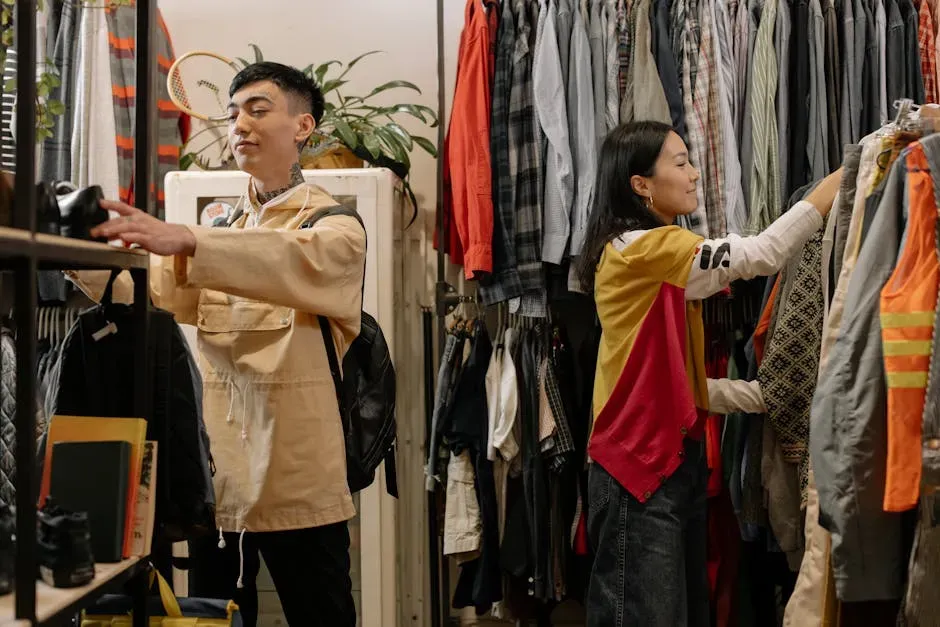
I’ve spent years digging through thrift racks, and clothing tops my list for what you should always buy used. New garments come with a hefty environmental price tag, but secondhand options slash carbon emissions by up to 82% right off the bat. The average American tosses about 81 pounds of clothes into landfills each year, fueling massive waste piles that could be avoided. Platforms like Depop and local thrift stores overflow with barely worn designer pieces at a fraction of retail. Look for natural fibers like cotton or wool that hold up better over time. I’ve scored cashmere sweaters for under ten bucks that still look brand new after seasons of wear. Sustainability meets savings here, especially as the global secondhand apparel market surges toward $350 billion by 2027. Over 60% of Gen Z and millennials are already on board, hunting for unique finds that fast fashion can’t match.
Start by checking labels for quality brands that thrifters donate when styles shift. Avoid anything with pilling or stains, but minor wear often washes out easily. Hit estate sales for vintage hauls or apps like Poshmark for curated listings. You’ll save hundreds annually while keeping textiles out of dumps. Pair thrifted basics with a few new accessories for a fresh look. I’ve built entire wardrobes this way, mixing eras for outfits that turn heads. Fast fashion’s short lifespan means new buys date quickly, but thrift gems endure. Jump in this weekend; your closet and the planet will thank you.
2. Furniture
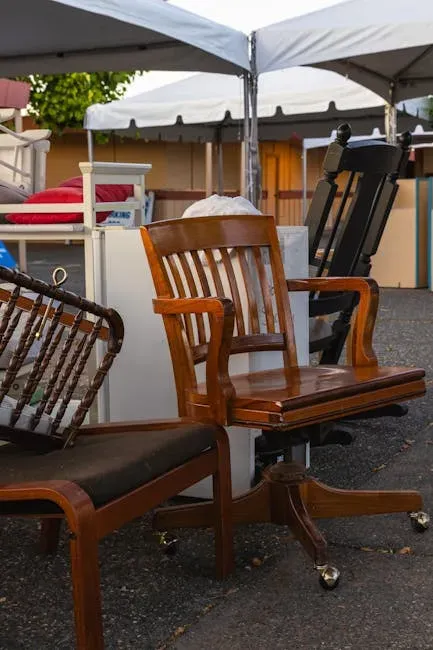
As a pro thifter, furniture is my goldmine because solid wood pieces last decades without breaking the bank. Fast furniture mimics fast fashion’s waste problem, with millions of tons discarded yearly due to flimsy builds. Resale markets on Facebook Marketplace have exploded with double-digit growth in listings since 2023. I’ve flipped thrift sofas that retail for thousands into cozy homes for pennies. Check for sturdy joints and real wood over particleboard that crumbles fast. A mid-century dresser I snagged for fifty dollars now anchors my space perfectly. Buyers save hundreds to thousands, dodging inflated new prices. Thrift stores and curbside pickups yield hidden treasures if you know where to look.
Inspect drawers for smooth slides and upholstery for cleanable fabrics. Sand and restain wood items yourself for custom vibes at low cost. Apps like OfferUp connect you to local deals faster than driving around. Sustainability shines as reused furniture cuts down on manufacturing emissions. I’ve furnished apartments entirely from thrifts, proving you don’t need new for style. Avoid trendy particleboard; it warps and warps your wallet. Head to weekend sales for bulk finds. Your living room upgrade awaits without the debt.
3. Electronics
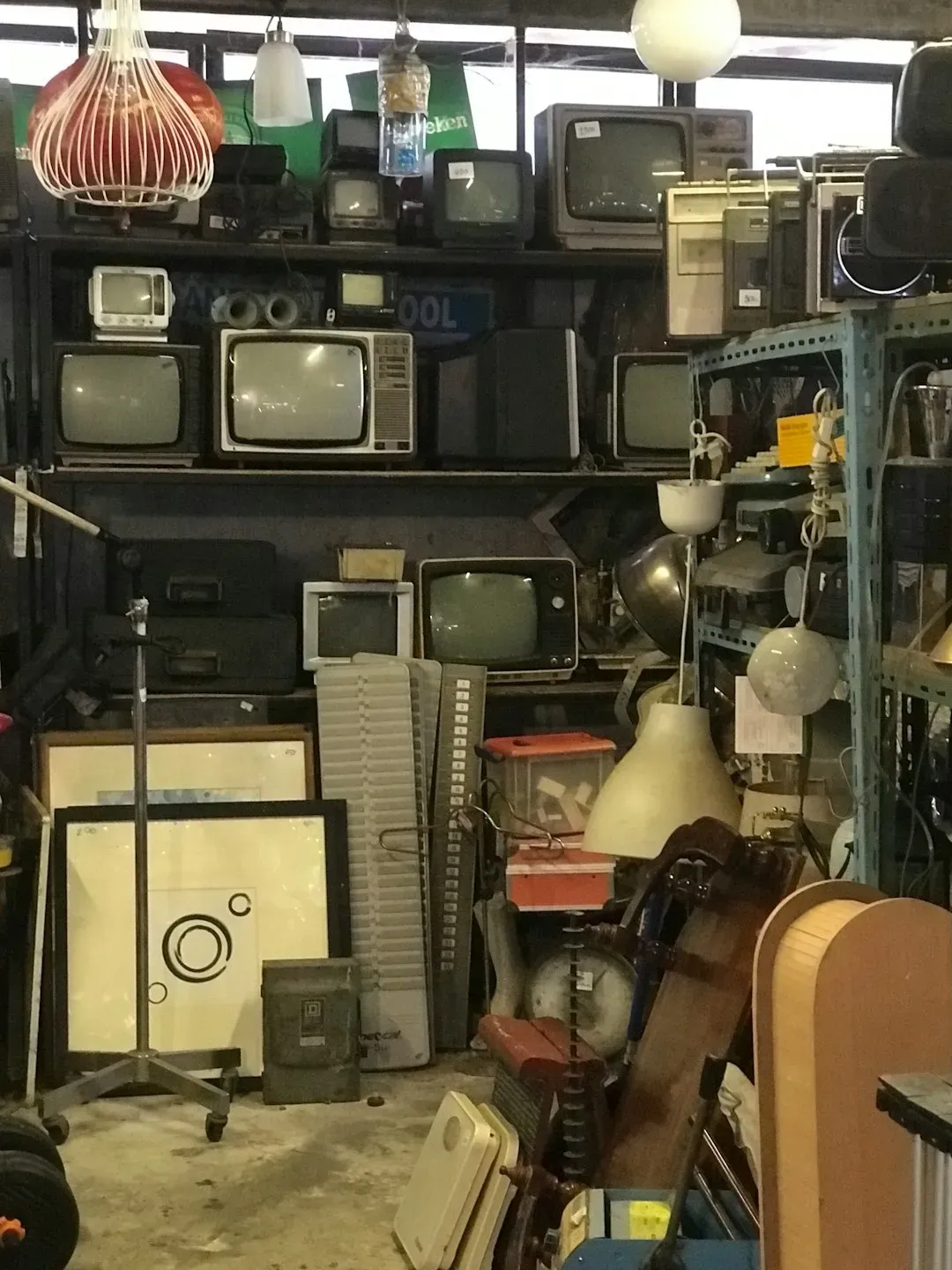
Electronics depreciate wildly, dropping 20 to 50% in value within the first year, making new purchases a poor bet. Refurbished gadgets from thrift bins or certified resellers perform nearly as well at slash prices. The resale market keeps expanding, with apps offering warranties that ease worries. I’ve grabbed laptops and phones that run smoothly after simple resets. Test batteries and ports on site, and prioritize brands known for longevity. A tablet I thrifted for thirty bucks handles streaming like day one. Cost savings stack up fast, freeing cash for other needs. Skip the hype of latest models; last gen does everything you want.
Hunt at Goodwill outlets or eBay for bulk electronics lots. Clean screens and update software to refresh them instantly. Certified refurbished means vetted quality without new tags. Environmentally, reusing cuts e-waste mountains growing yearly. I’ve powered my setup with thrift tech for years now. Avoid water damage signs like corrosion spots. Pair with cheap cases for protection. Dive into local listings today; tech nirvana is secondhand.
4. Books
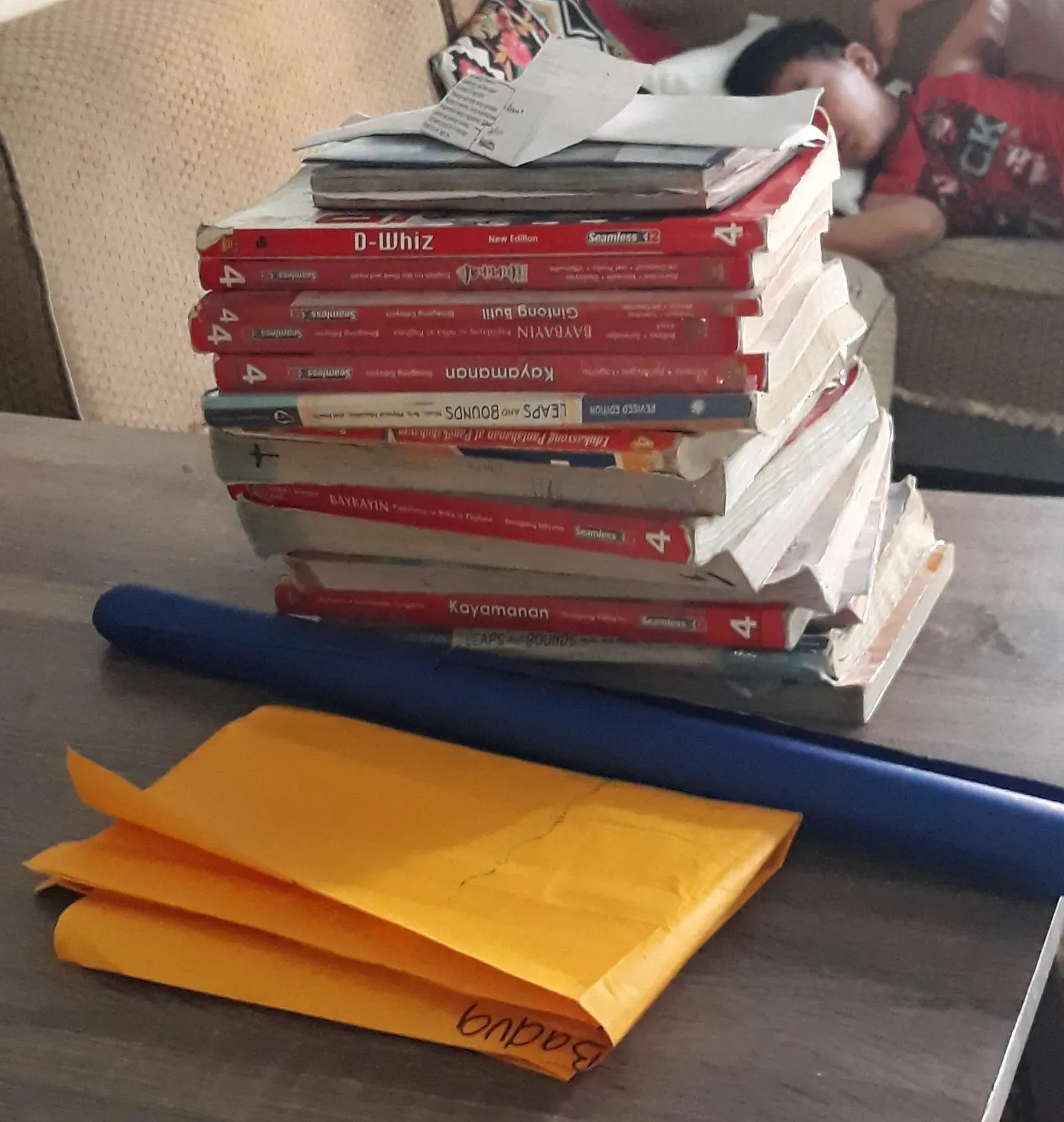
Books scream thrift because they cost 50 to 80% less used, delivering identical content without waste. I’ve built libraries from library sales and thrift shelves stacked high. Paperbacks hold up fine, and hardcovers gain character over time. No need for new editions when stories stay timeless. The average reader saves big while dodging shipping fees on fresh prints. I’ve found first editions mixed in bins for under five dollars. Sustainability ties in as reused books sidestep pulp mill demands. Dive into genres you love; variety beats bookstore limits.
Smell for mustiness and flip pages for markings, but highlights add value sometimes. Organize by series at home for easy access. Apps like BookScouter scan barcodes for top resale spots too. Thrift hauls fill shelves affordably, perfect for 2026’s homebody vibes. I’ve devoured hundreds this way, expanding horizons cheaply. Check footnotes for rare inscriptions occasionally. Stock up at annual book sales. Your next page-turner waits gently used.