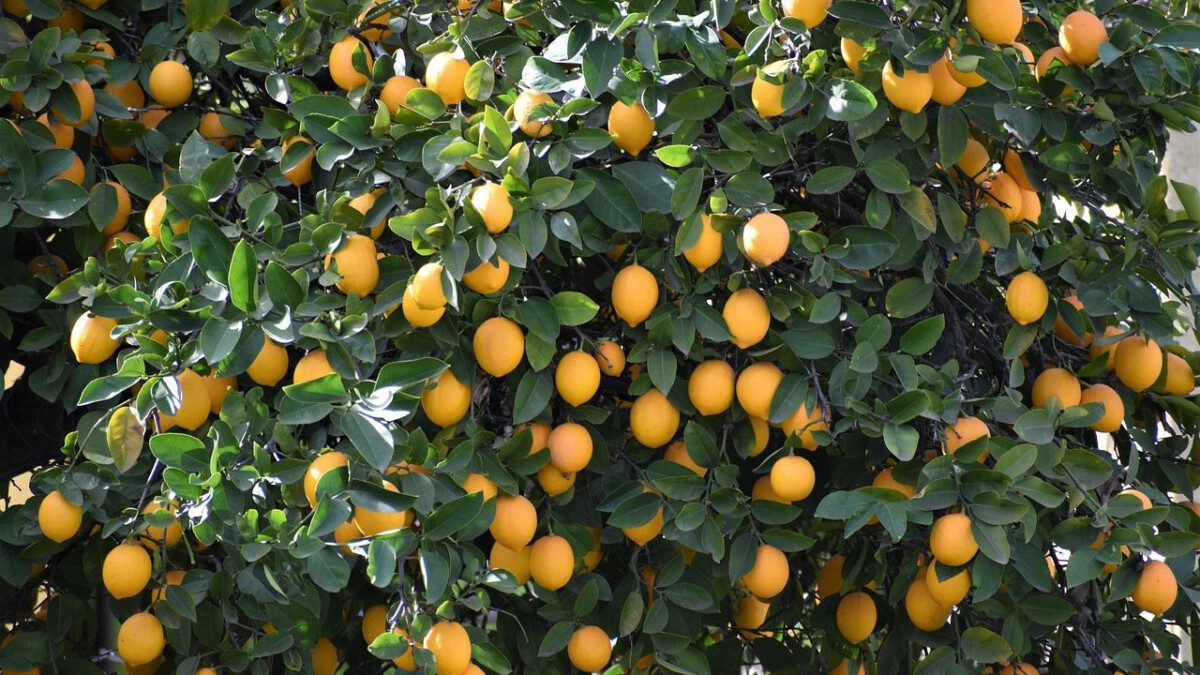

Moving houseplants during a relocation seems straightforward until federal quarantines come into play. The USDA’s Animal and Plant Health Inspection Service enforces rules to stop pests like citrus greening and Asian citrus psyllid from spreading. These restrictions turn casual transport of everyday indoor favorites into a violation without the right paperwork or treatments.[1][2]
Quarantined states such as Florida, Texas, California, and others prohibit unregulated movement of host plants. Homeowners often discover this at checkpoints or during inspections. While not every plant faces a nationwide ban, skipping protocols risks confiscation or fines.
Citrus Plants
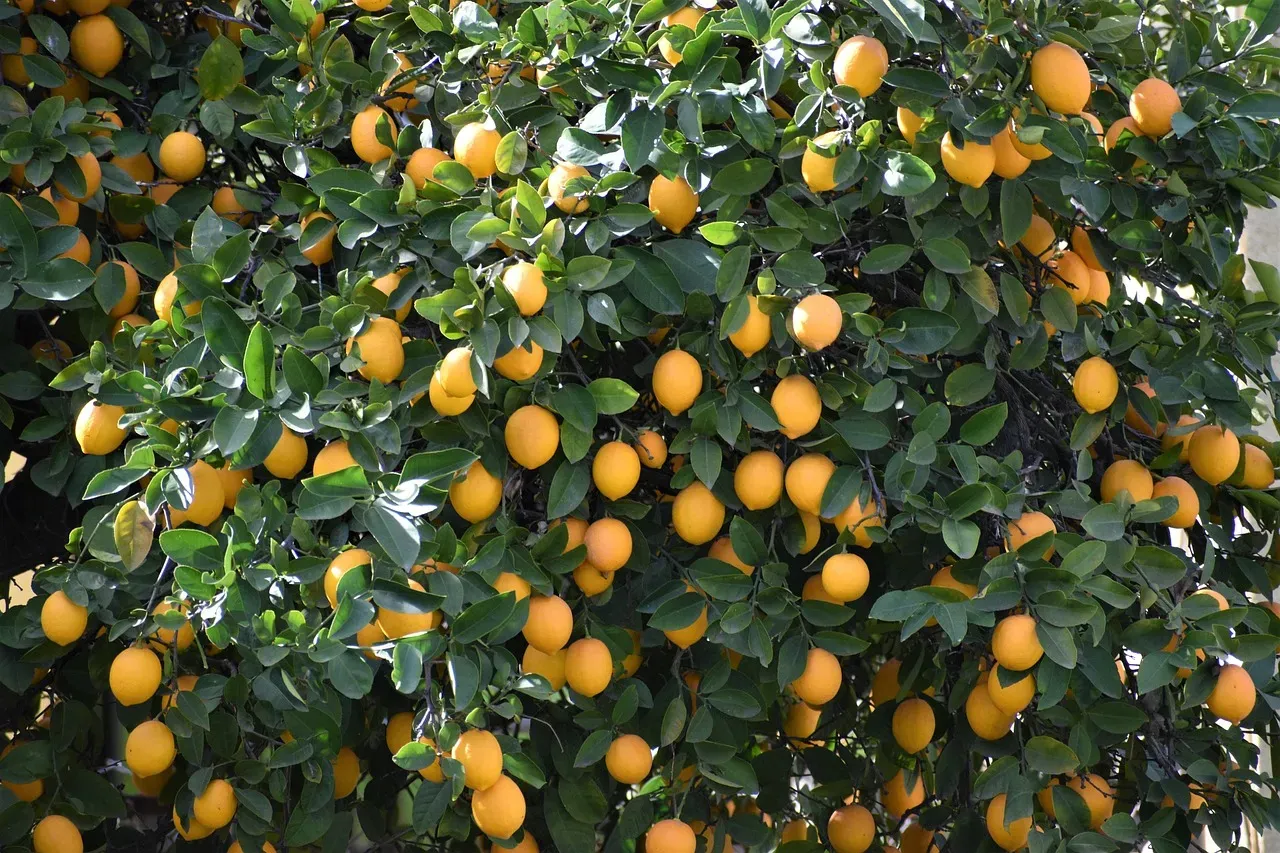
Lemon trees and their citrus relatives thrive indoors with bright light and make popular houseplants. Yet federal orders ban their interstate movement from quarantined zones without strict protocols. Growers must use pest-proof structures, apply insecticides, and pass monthly inspections before certification.[2]
Visual checks and lab tests confirm no citrus greening or canker. Even potted Meyer lemons from Florida can’t cross lines legally otherwise. States like Texas enforce this to protect orchards, leaving many surprised during moves.[3]
Orange Jasmine (Murraya paniculata)
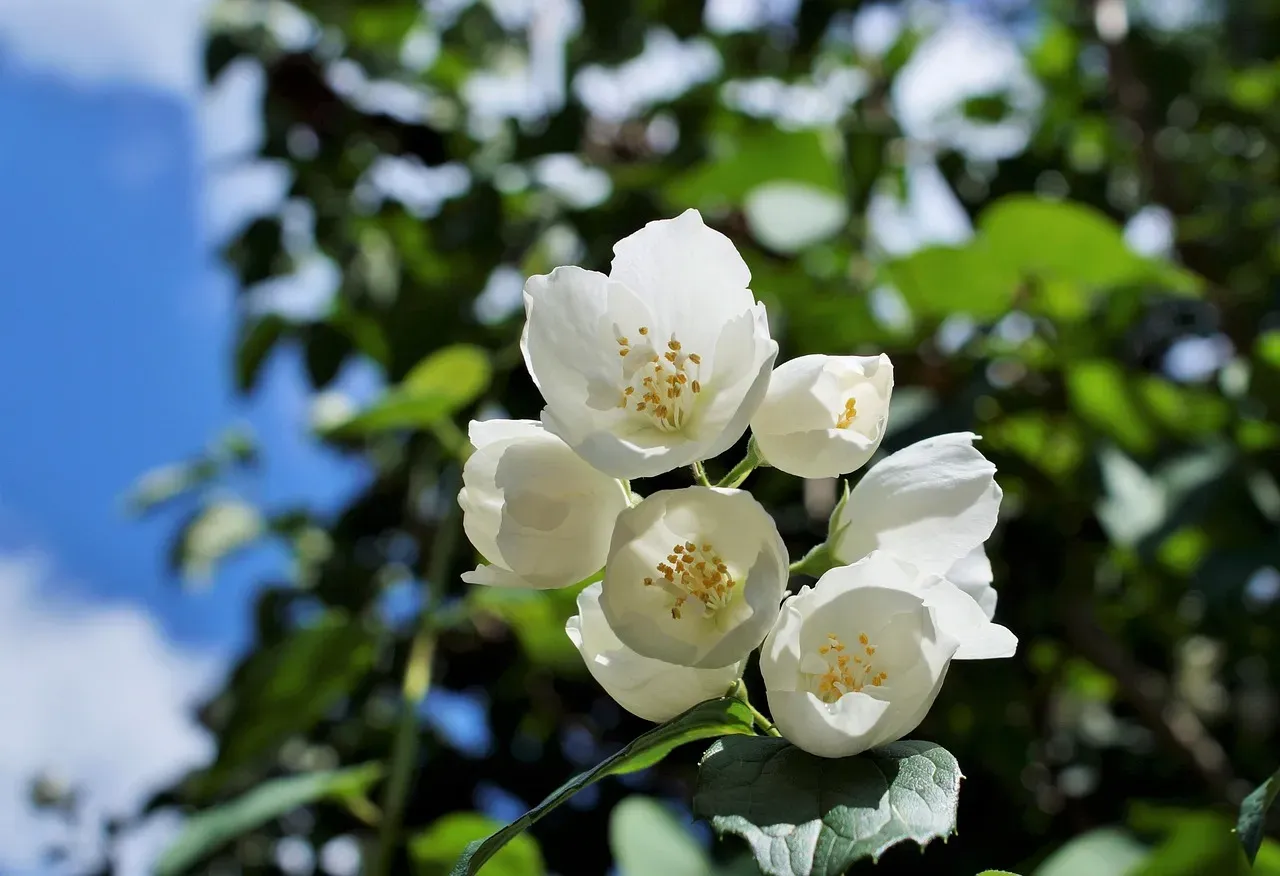
This fragrant shrub doubles as a houseplant with glossy leaves and white blooms. It hosts the Asian citrus psyllid, triggering quarantines in southern states. Interstate shipment requires treatments and permits, or it’s prohibited from affected areas.[4]
Florida and California list it among regulated articles under citrus greening rules. Casual drivers risk inspection stops where plants get destroyed. Nurseries follow traceability, but personal pots often lack compliance.[5]
Fragrance draws buyers, yet the pest risk overshadows appeal in regulated zones.
Oleander (Nerium oleander)

Oleander’s tough leaves and pink flowers suit indoor pots in cooler climates. Some states restrict it due to oleander leaf scorch and toxicity concerns. Arizona and California demand inspections for interstate travel, prohibiting untreated plants.[6]
Federal guidelines tie into broader pest prevention, though state laws vary. Moving from quarantined spots invites enforcement at borders. Its durability makes it common, but rules catch owners off guard.
Bamboo (Certain Running Varieties)
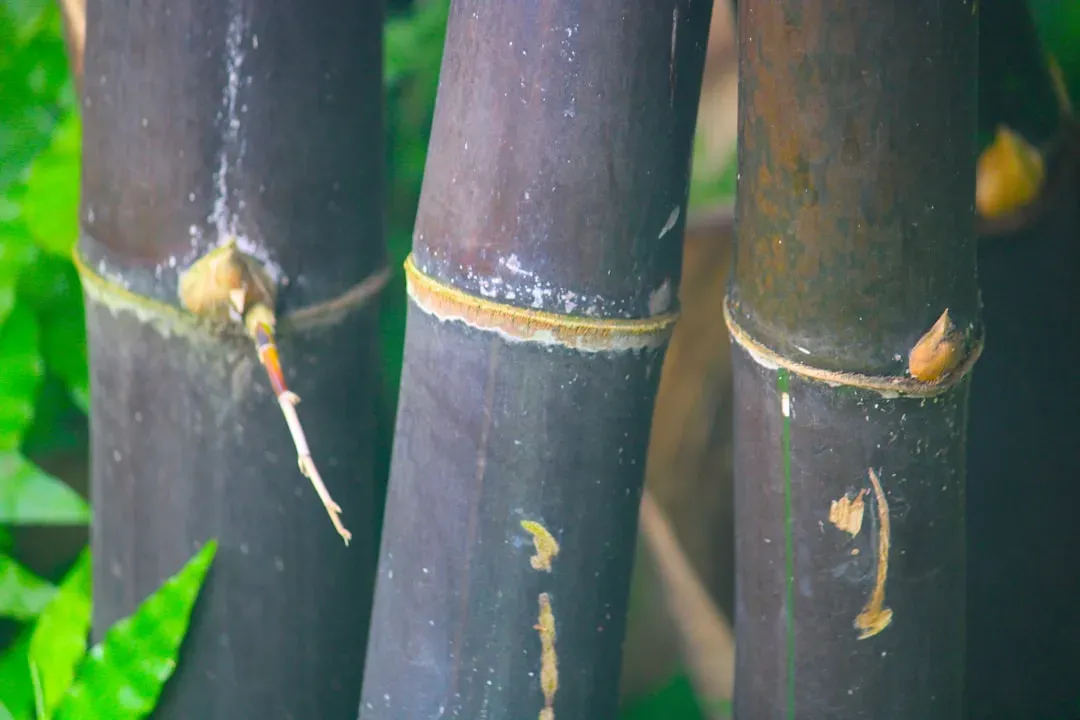
Lucky bamboo and similar types grace tabletops as low-maintenance houseplants. Running bamboos like Phyllostachys species invade in states such as Pennsylvania and New York, banning sale and transport. Interstate hauls without certification violate invasive species laws.[7]
Clumping kinds fare better, but labels matter. Fines follow unchecked movement into restricted areas. Popularity in decor clashes with ecological threats.
Check variety before packing; confusion leads to roadside disposals.
Orchids (From Hawaii or Quarantined Sources)
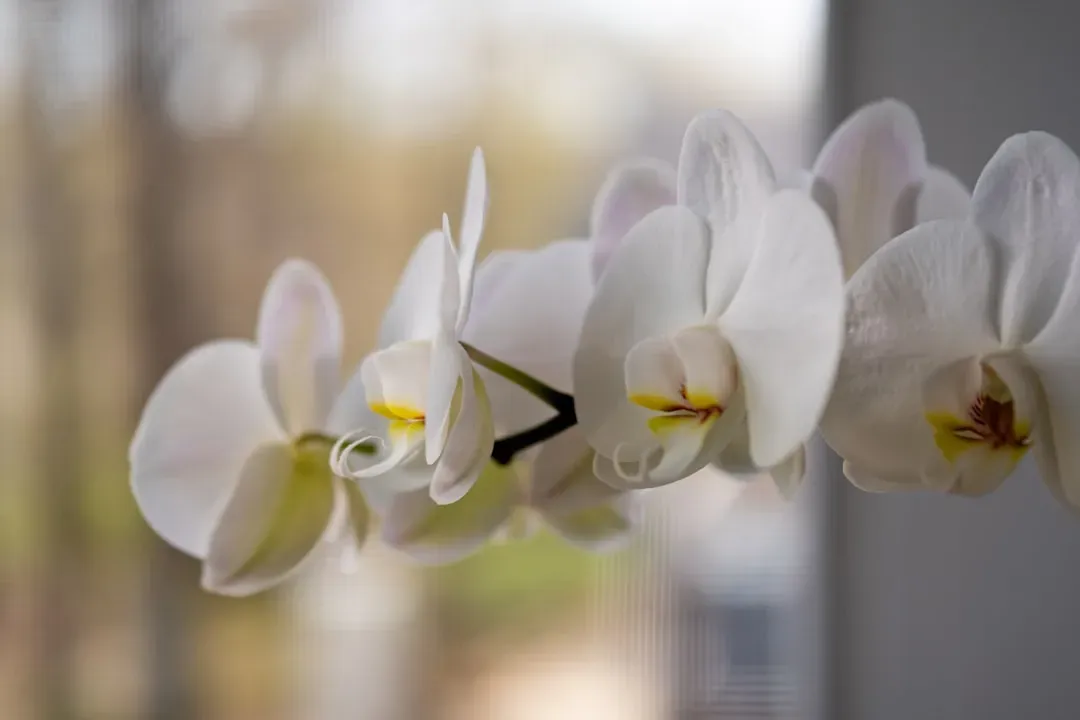
Phalaenopsis orchids brighten homes with elegant blooms and are staple houseplants. Hawaii shipments require fumigation due to pests like Bactrocera fruit flies. Uncertified interstate moves from there break APHIS protocols.[8]
Mainland quarantines add layers for certain species. Permits and post-entry holds apply in some cases. Enthusiasts learn the hard way at ports or state lines.
Beauty comes with bureaucratic hurdles.
Why These Restrictions Exist
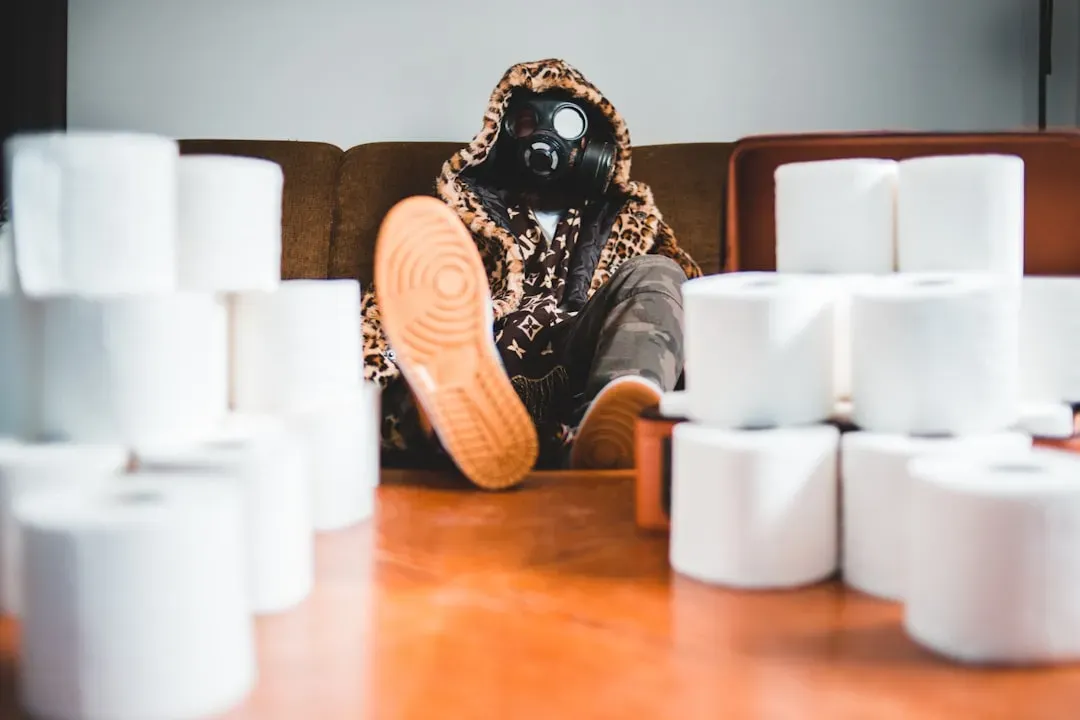
Pests hitch rides on plants, devastating crops worth billions. Citrus greening alone has slashed Florida production by nearly half since 2005. Hungry pests campaigns highlight soil and cuttings as vectors.[1]
States collaborate via national boards to track rules. Enforcement protects agriculture over hobbies.
How to Check Before Moving
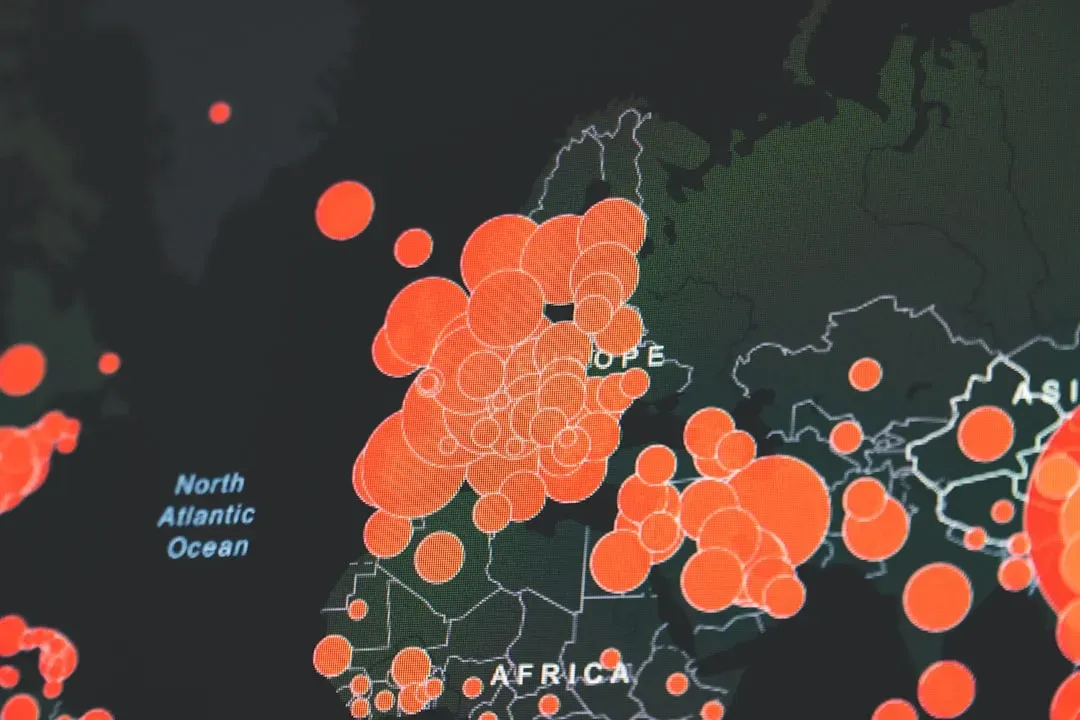
Visit APHIS quarantine maps and state plant boards online. Phytosanitary certificates verify clean status for many. Movers often refuse risky plants anyway.
A quick call to local inspectors saves headaches. Tools like the federal order viewer clarify zones.
Alternatives for Plant Lovers
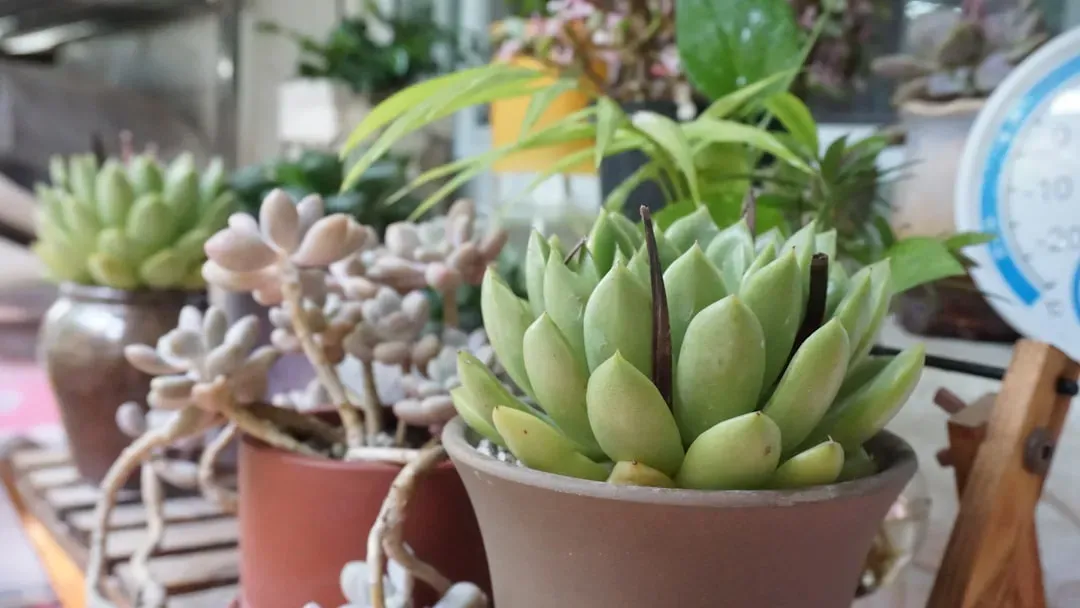
Buy locally propagated stock post-move. Tissue-cultured plants bypass quarantines reliably. Propagate from allowed cuttings where permitted.
Air plants or succulents dodge most issues.
Consequences of Ignoring Rules

Confiscation happens at agriculture stations. Fines reach thousands for commercial violations. Repeat offenses escalate legally.
Criminal charges are rare for homeowners but possible.
What the Future Holds

Biotech like gene-edited resistance offers hope. Surveillance tech improves tracking. Rules evolve with outbreaks, so stay updated into 2026 and beyond.
Responsible ownership balances joy with caution. A thriving collection starts informed.