
1. Roots in Midwest Politeness Culture

Folks in the Midwest grow up with a deep-seated value on being nice to everyone around them. This shows up everywhere, from holding doors for strangers to chatting with neighbors over fences. Social researchers point out how regional norms here stress friendliness and extended interactions. People feel a pull to connect, even when it’s time to head out. That politeness turns a quick wave into a full ritual. Studies from recent years highlight how these habits make departures stretch out. It’s not just habit; it’s a way to show care in everyday moments. You see it at barbecues or family dinners, where nobody rushes away.
This culture comes from tight-knit communities where everyone knows each other. Surveys on social habits reveal many feel obligated to check in personally before leaving. Behavioral patterns show Midwesterners restart talks multiple times on the way to the door. Anthropological views tie it to communal traditions, treating goodbyes like greetings in importance. Recent data from 2024 underscores how this adds up, with average exits hitting 45 minutes after deciding to go. Emotional ties keep people lingering despite tired eyes. It’s a blend of genuine warmth and unspoken rules that nobody questions.
2. The Multi-Stage Exit Ritual
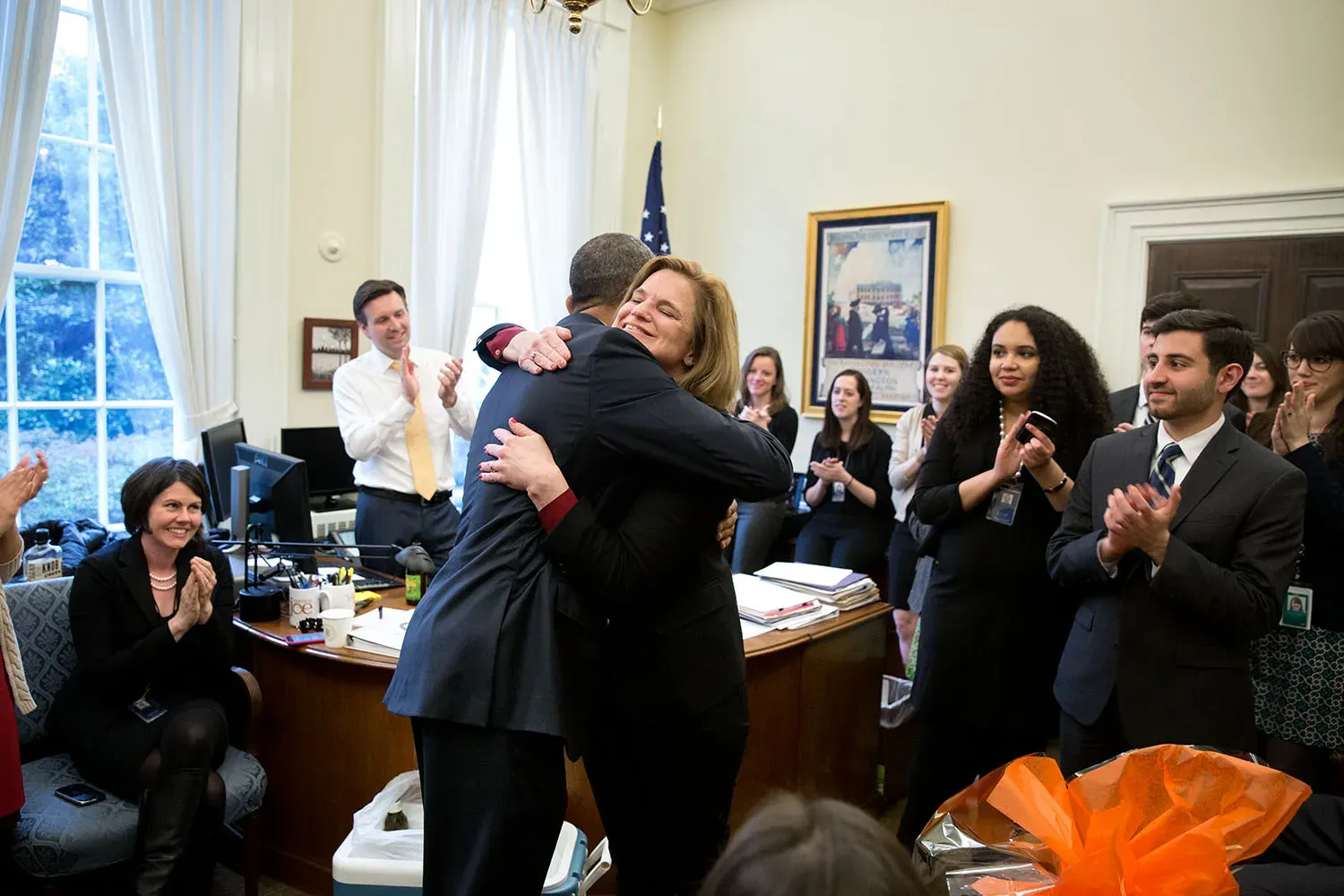
The process kicks off with the soft announcement, like saying “I should get going.” Hosts and guests respond with hugs or offers of leftovers right away. Then comes the doorway chat, where one story leads to another. Observational studies note multiple closing signals per person, piling on minutes fast. You might hug five people, each sparking a new memory share. Small talk about weather or plans fills the air naturally. By now, 15 minutes have slipped by without anyone noticing. The walk to the car often restarts everything over again.
Experts break it down into phases, from group farewells to solo lingering talks. Communication patterns show phrases like that first cue rarely mean immediate exit. In group settings, politeness demands hitting every key person. Recent behavioral research from 2023 clocks these stages totaling around 45 minutes on average. Hugs, waves, and one last joke extend each step. Tired guests push through due to social energy bonds. It’s a drawn-out dance nobody minds much. Finally, the engine starts, but waves continue from driveways.
3. Psychology of Fear and Rudeness
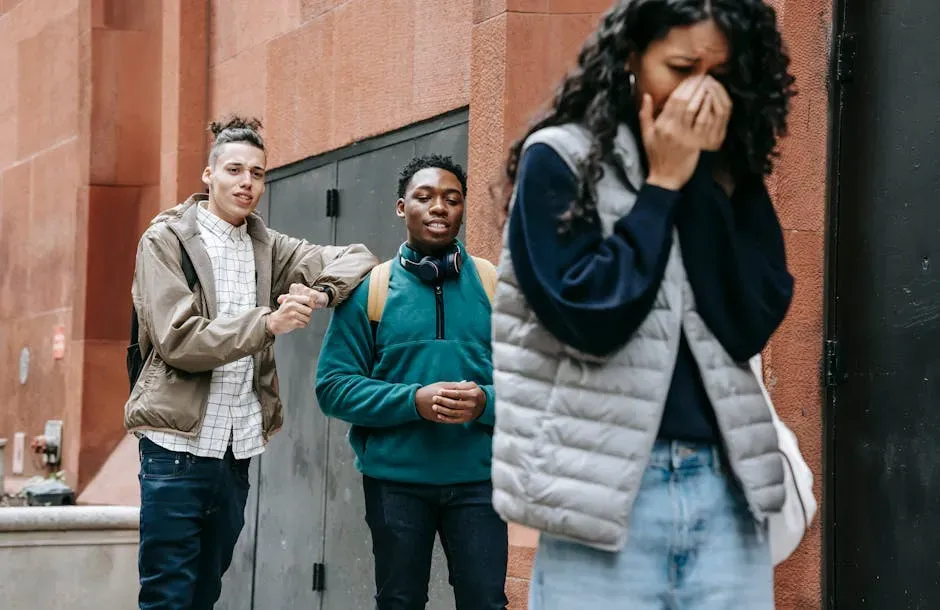
Deep down, nobody wants to seem abrupt or uncaring. Behavioral psychology links this to anxiety over breaking norms. People delay to avoid that rude label, even when exhausted. Studies show fear of abruptness triggers extra chats. Emotional connections make cutting ties feel wrong. This hesitation restarts conversations effortlessly. Recent surveys confirm most feel pulled back by group expectations. It’s a mental tug-of-war between home and hospitality.
Social bonds thrive on these rituals, per interaction research. Prolonging goodbyes signals investment in relationships. Data from 2025 points to this adding significant time per event. Guests override fatigue for that warm feeling. Soft cues like “don’t stay on my account” loop things longer. Everyone plays along, knowing the drill. Psychologists note it maintains harmony in close circles. Over a year, those minutes stack into hours of connection time.
4. Small Talk as Social Glue

Those final chats aren’t filler; they reinforce ties. Research highlights small talk rituals during departures as bond-builders. Topics jump from food praise to next meetups seamlessly. Each exchange buys more time politely. In Midwest gatherings, this flows naturally among friends. Studies from 2024 show it extends exits by several minutes per person. Nobody clocks it as wasting time. It’s the polite way to wrap up warmly.
Communication experts see these as essential cues, not delays. Phrases pull others into loops of shared laughs. Group dynamics amplify it, with one story sparking chains. Annual time-use data pegs party goodbyes at nearly 19 hours total. Midwestern emphasis makes them richer, slower. Guests leave feeling valued, not rushed. This glue holds communities tight. Even outsiders pick it up after a few events.
5. Group Settings Amplify the Delay

Crowded house parties turn exits into marathons. You can’t slip out without hitting clusters of chats. Each group demands its farewell round. Observational data shows restarts happen often en route. Politeness means personal nods to hosts and mains. Recent studies clock 45 minutes average from decision to door. Momentum builds with every hug shared. Fatigue hits, but bonds override it.
Dynamics shift as numbers dwindle, yet goodbyes grow. Surveys reveal obligation to key folks adds layers. Emotional pulls keep tiresome talks going. In Midwest spots, friendliness norms heighten this. Behavioral patterns from 2023 confirm group effects stretch time. Nobody leaves alone; waves follow to cars. It’s communal closure at work. Parties end softer this way.
6. Real-Life House Party Scenarios

Picture a summer barbecue winding down around 10 p.m. Someone says they’re heading out, grabs a coat. Kitchen stops for pie offers turn into recipe swaps. Doorway hugs lead to Packers game recaps. Twenty minutes later, driveway weather talk restarts. Friends wave from porches as engines hum. That 45-minute mark hits right on cue. Everyone parts smiling, no hard feelings.
Winter dinners play out similar after holiday feasts. “Early” exits start post-dessert announcements. Multiple kid chats and spouse hellos pile up. Leftover tins handed over spark thanks loops. Car doors open amid final laughs. Studies mirror these, with 2025 data showing consistent patterns. Midwest families embrace the ritual yearly. It turns ordinary nights memorable.
7. Contrasts with Coastal Quick Exits

East or West Coast folks often Irish exit without fuss. Quick waves or texts replace drawn-out talks. Cultural speeds differ sharply from Midwest paces. There, efficiency trumps prolonged warmth sometimes. Behavioral contrasts show shorter rituals elsewhere. Data highlights regional goodbye times varying widely. Midwesterners view fast leaves as chilly. It’s a norm clash for transplants.
Politeness levels shape these divides clearly. Surveys from 2024 note communal areas linger longest. Urban hustle cuts corners on social ends. Midwest prioritizes personal touches always. Annual stats show coastal savings in exit time. Yet many miss that heartfelt close. Understanding eases the cultural shock. Each style fits its world fine.
8. The Lasting Value of Lingering Farewells

Those extra minutes build trust that lasts beyond parties. Social research ties rituals to stronger bonds. People feel seen, boosting future invites. Even with 45-minute averages, satisfaction runs high. Recent 2025 findings link it to lower loneliness rates. Midwest life leans on these connections daily. Nobody regrets the time invested. It pays in community warmth.
Over years, patterns stack into real relational wealth. Studies show prolonged goodbyes signal care reliably. Annual tallies near 19 hours reflect commitment. Guests drive off recharged, not drained. This ritual endures for good reason. It keeps circles tight amid busy lives. Next gatherings start warmer too. In the end, it’s time well spent.