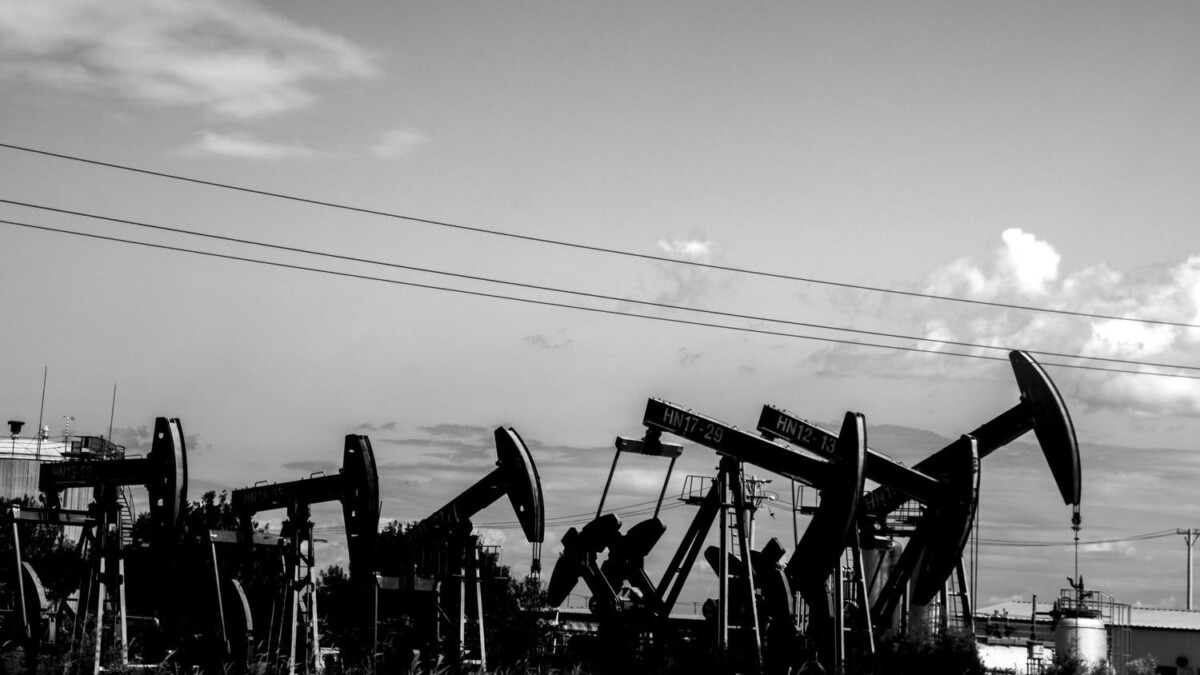
Energy Crisis Hits Hard (Image Credits: Pixabay)
Berlin – Germany’s leaders face mounting pressure to rethink fiscal constraints as the Iran war disrupts energy markets and threatens economic stability. Finance Minister Lars Klingbeil warned that the conflict’s energy price shocks could linger, leaving the economy in a fragile state.[1][2] Recent proposals from within the ruling coalition highlight the tension between long-standing budget rules and the need for swift action.
Energy Crisis Hits Hard
The Iran war has sent ripples through global energy supplies, with oil prices surpassing 100 dollars per barrel and German pump prices climbing sharply. Super E10 gasoline now exceeds 2 euros per liter, while diesel reaches 2.17 euros, the highest levels since May 2022.[3] Finance Minister Klingbeil emphasized that Germany, though not directly involved in the conflict, feels its effects acutely on growth prospects.
He stated during remarks in Washington, “But what we can already see now is that this war is also harming us in Germany in terms of economic growth.”[2] The International Monetary Fund recently trimmed its 2026 growth forecast for Germany to 0.8 percent, down 0.3 percentage points, citing the war’s toll.[1] Klingbeil called for greater independence and resilience, underscoring reforms to reduce vulnerabilities exposed by the crisis.
SPD Proposes Activating Emergency Clause
SPD parliamentary group leader Matthias Miersch ignited the debate by suggesting the suspension of the debt brake, known as the Schuldenbremse, should the crisis worsen. This constitutional rule limits structural deficits to 0.35 percent of GDP but includes an emergency provision for extraordinary situations.
Miersch argued, “Der Staat hat die Aufgabe, einen Zusammenbruch unserer Wirtschaft zu verhindern,” or “The state has the task of preventing the collapse of our economy.”[4] He envisioned targeted relief, such as tax-liable direct payments similar to those during the COVID-19 pandemic, which would require higher earners to repay a larger share. A potential blockade of the Strait of Hormuz could exacerbate supply chain disruptions far beyond oil markets, he cautioned.
The government has already approved a 1.6 billion euro package to ease fuel costs for consumers and businesses, but Miersch indicated more comprehensive measures might prove necessary.
Coalition Partners Reject Further Borrowing
The proposal drew immediate backlash from coalition partner the Union (CDU/CSU). CDU General Secretary Carsten Linnemann dismissed talk of new debt as “Ausdruck politischer Faulheit,” or an expression of political laziness.[4] He advocated instead for incentives to boost work, bureaucracy cuts, and innovation priorities.
CSU parliamentary leader Alexander Hoffmann echoed this, stating no signs of a budget emergency existed and that calls for debt only compounded problems rather than solving them. The Union has consistently opposed additional borrowing, prioritizing fiscal consolidation amid the strain.[4]
- Higher energy costs threaten manufacturing and transport sectors.
- Growth forecasts halved in some projections due to prolonged conflict.
- Existing relief like fuel discounts criticized as insufficient “Gießkanne” measures.
Navigating Fiscal Tightrope
The Schuldenbremse has shaped German policy since 2009, suspended previously during the pandemic and Ukraine war. Now, with the Iran conflict persisting, policymakers weigh whether to invoke the emergency clause again. Klingbeil plans discussions on stabilization in Washington, focusing on support for those hit hardest.[1]
Economists warn of standstill growth if disruptions continue, exposing structural weaknesses. The debate underscores a broader challenge: balancing fiscal discipline with the demands of unforeseen geopolitical shocks. As prices rise and chains strain, Germany must decide how far to stretch its rules before they snap.