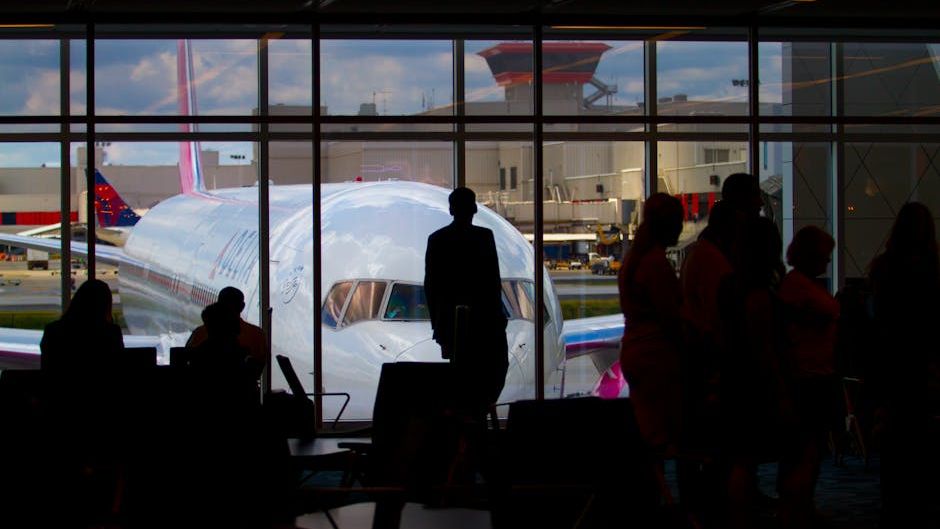
A New Hub Faces Expansion Scrutiny (Image Credits: Pexels)
Mumbai – The International Air Transport Association has voiced strong objections to a proposed VVIP terminal at Navi Mumbai International Airport, highlighting risks that everyday travelers could shoulder its expenses. This criticism surfaced during consultations on the airport’s tariff structure, as regulators review plans to expand the facility. The debate underscores tensions between elite infrastructure needs and equitable cost-sharing in India’s burgeoning aviation sector.[1]
A New Hub Faces Expansion Scrutiny
Navi Mumbai International Airport entered service last December, initially handling domestic flights from its first phase.[1] Operated by Navi Mumbai International Airport Limited, part of the Adani Group, the facility aims to alleviate congestion at Mumbai’s main airport. Its master plan envisions four terminals capable of accommodating 90 million passengers each year over the coming decades.
Amid this growth, proposals include specialized infrastructure. Beyond standard passenger terminals, the airport outlined a dedicated general aviation facility for charter and private flights. Separately, a VVIP terminal targets heads of state and high-ranking dignitaries, with an estimated construction cost of ₹55 crore.[1]
Details Emerge on the Controversial Facility
The VVIP terminal would operate distinctly from the general aviation setup, focusing on protocol-level security and exclusivity. Specific dimensions remain undisclosed in regulatory filings, but its standalone nature raises questions about operational independence. Navi Mumbai International Airport Limited submitted these details to the Airports Economic Regulatory Authority of India as part of tariff determinations for the first control period, running through March 2030.
Construction timelines align with broader expansions, though exact start dates for the VVIP project await confirmation. The airport has yet to address public queries on the matter, stating only that it will formally reply to stakeholder feedback through AERA channels.[1]
IATA’s Core Objections Take Center Stage
The airline industry body argued that ordinary passengers lack input on the terminal’s scope and justification. IATA emphasized that such a facility generates no commercial revenue, making it unsuitable for cross-subsidization via standard aeronautical charges. “In such circumstances neither the capital expenditure nor the operating and maintenance costs of these facilities should be included in the aeronautical tariff base applicable to scheduled airlines and commercial passengers,” the group stated in its submission.[1]
This stance invokes global standards. IATA warned that burdening commercial users contravenes the “user-pay” principle and cost-relatedness guidelines set by AERA and the International Civil Aviation Organisation. “Requiring airlines and passengers to fund sovereign protocol infrastructure would be fundamentally inconsistent,” it added.[1]
Tariff Talks Add Pressure to the Debate
Current user development fees at the airport stand at ₹620 for departing domestic passengers and ₹1,225 for international ones, with incoming rates at ₹270 and ₹525 respectively. These ad-hoc charges would persist until March 2027 under the proposal, followed by yearly hikes. Critics like IATA fear VVIP costs could inflate these further, squeezing airlines already navigating high operational demands.
What matters now: Regulators must balance infrastructure ambitions with fair pricing as Navi Mumbai scales up.
AERA’s review process invites such input, ensuring diverse voices shape the airport’s financial model. While NMIA prepares its rebuttal, the outcome could influence how similar projects proceed nationwide.
The pushback reflects broader industry priorities: sustainable growth without undue loads on mass-market flyers. As Navi Mumbai cements its role in Mumbai’s dual-airport system, resolving these concerns will prove essential for long-term viability.[1]