Electricity Grid Limits EV Potential (Image Credits: Unsplash)
India’s automotive sector faces a pivotal choice in pursuing carbon neutrality, as Maruti Suzuki India Chairman R.C. Bhargava cautioned against relying solely on electric vehicles. He highlighted biogas, derived from the nation’s vast cattle dung resources, as an overlooked yet potent option for cleaner transportation. This stance underscores a broader strategy tailored to India’s unique energy realities and rural economy.[1][2]
Electricity Grid Limits EV Potential
Roughly 75 percent of India’s electricity comes from coal, raising questions about the true environmental benefits of widespread EV adoption. Bhargava argued that promoting electric cars without addressing the cleanliness of the power source misses the mark. He stressed the need for immediate emission reductions through diverse fuels rather than waiting for grid improvements.
Charging infrastructure remains sparse, particularly for the small cars that dominate India’s market. Battery costs and limited affordable models further sideline EVs for mass adoption. Only a handful of options, like the Tata Tiago.ev and MG Comet, fall below 1 million rupees, targeting urban buyers rather than the broader population.[1][2]
Biogas Emerges from India’s Cattle Wealth
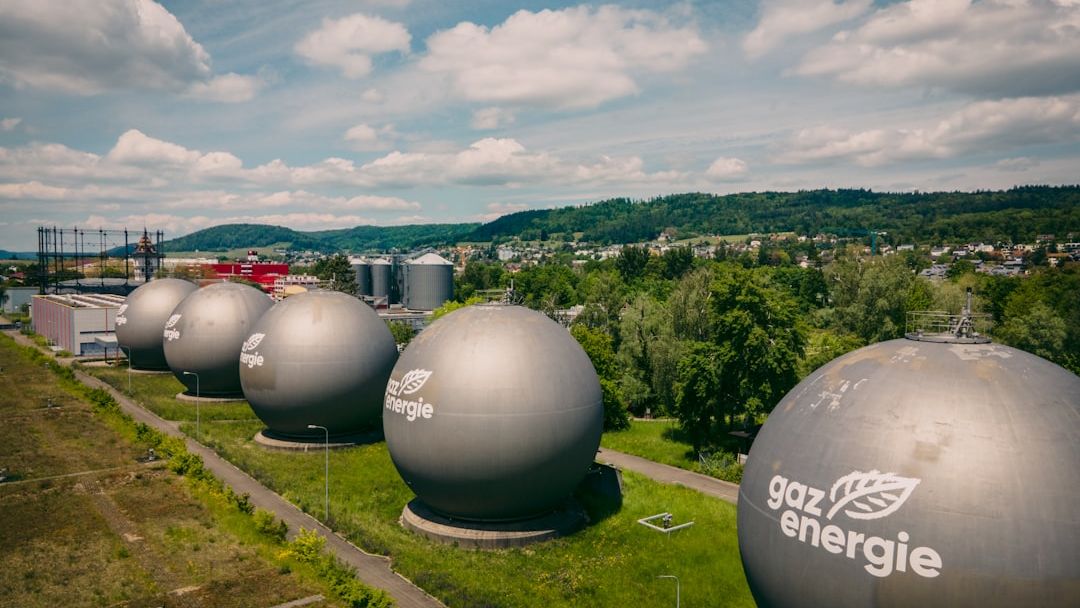
With the world’s largest cattle population, India holds a natural edge in biogas production, where dung serves as the primary feedstock. Bhargava described this resource as abundant and ready to fuel vehicles with zero tailpipe emissions. The industry stands to gain from scaling up collection and processing in rural areas, creating jobs and organic fertilizer as byproducts.
Maruti Suzuki collaborates with government bodies and oil firms to expand biogas output. Incentives for production and vendor networks could accelerate this shift, turning waste into a renewable automotive fuel. Bhargava called biogas ideal for small cars, fitting the needs of cost-conscious consumers upgrading from two-wheelers.[1]
Biogas is the best fuel as it is renewable and has zero emission. It’s the best solution for small cars in India.[2]
A Diversified Path to Carbon Reduction
Bhargava advocated a multi-pronged approach, blending technologies suited to India’s context. Compressed natural gas vehicles already thrive, with Maruti offering nine models and projecting 600,000 sales in the fiscal year ending March 2023. Hybrids provide another bridge, with the company’s first model slated via a Suzuki-Toyota tie-up.
Biofuels like ethanol blends complement this mix, though scaling requires careful farmland management. This strategy avoids over-reliance on imports for batteries while aligning with Prime Minister Narendra Modi’s net-zero pledge by 2070. Electric passenger vehicles may reach just 5 percent of sales by 2030, per estimates, leaving room for alternatives.[3][1]
| Technology | Strengths for India | Challenges |
|---|---|---|
| Electric Vehicles | Zero tailpipe emissions; premium appeal | Coal-heavy grid; high costs; infra gaps |
| Biogas/CNG | Homegrown feedstock; affordable; immediate use | Production scaling; rural collection |
| Hybrids | Range extension; no charging need | Tech complexity; policy support |
Maruti’s Forward Momentum
The company plans its first EV launch in fiscal 2025, followed by a lineup of six models by 2030 across price points. Yet Bhargava emphasized balance, noting electric cars alone cannot meet net-zero demands. Recent earnings reflected robust growth, with CNG sales surging amid favorable market dynamics.
This pragmatic vision positions Maruti to serve diverse segments while curbing emissions. As biogas plants and hybrid rollouts advance, India’s road to sustainability gains practical traction. Policymakers now hold the key to incentivizing these pathways for lasting impact.[4][2]