
I’ve been working as a flight attendant for over a decade, serving up drinks on flights from short hops to cross-country hauls. You might think that hot cup of coffee mid-flight hits the spot, especially when you’re bleary-eyed from an early departure. Yet after seeing how it’s made behind the scenes, I always pass and grab a bottled water instead.
Recent studies back up what we crew members have known for years. Water quality on planes varies, and the risks aren’t worth the caffeine buzz. Stick around as I break down the top reasons to skip it.
1. The Water Tanks Rarely Get a Deep Clean
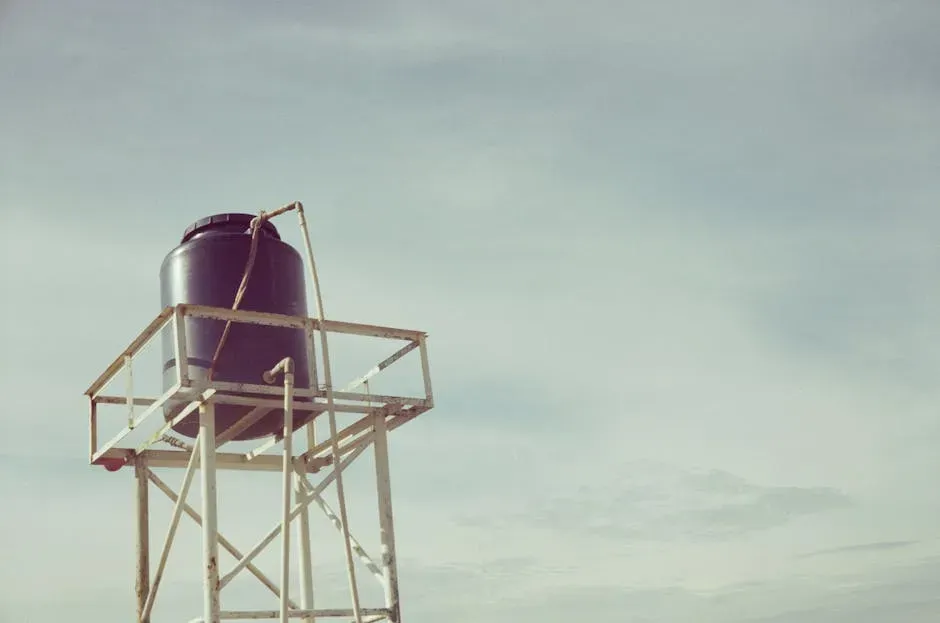
Airplane water tanks hold the supply for coffee, tea, and even lavatory use, but they’re not scrubbed like your kitchen faucet. Federal rules under the FAA’s Aircraft Drinking Water Rule require airlines to disinfect and flush them just four times a year.[1][2] In practice, that means buildup can linger between cleanings, turning fresh water into something questionable.
I’ve never seen a full tank deep clean during turnaround, and the planes sit for days sometimes without attention. Flight attendants like me steer clear because we know the reality. It’s just not a risk we take on our own shifts.[3]
2. Bacteria Tests Show Real Contamination Risks
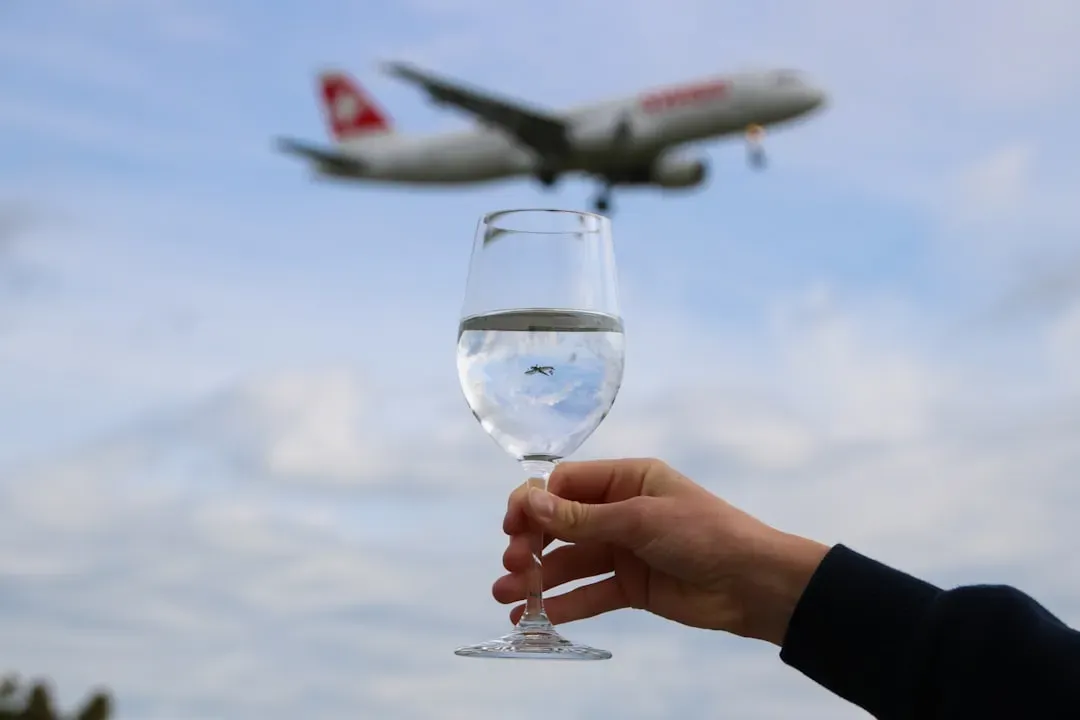
A 2026 Airline Water Study tested over 35,000 samples from major carriers and found nearly 3 percent positive for coliform bacteria, with 32 E. coli violations dragging down safety scores.[4][5] That’s the kind of stuff that can lead to stomach issues, especially when you’re already stressed from travel. Even Delta scored highest, but no airline got perfect marks across the board.
These aren’t old rumors; the data from late 2025 into 2026 confirms weak enforcement lets problems slide.[1] We crew notice the patterns on long routes where tanks go longer without checks. Heating the water for coffee kills some bugs, but not if levels are high to start with.
3. Pipes and Coffee Makers Build Up Grime
The lines running from tanks to the galley pots clog with residue over time, and those pots? They get a quick rinse at best between flights. Flight attendants report seeing mold or slime if you peek close enough, and cleaning isn’t daily.[6] On shorter hops, it might not matter much, but transatlantic runs amplify the issue.
Regulations focus on tanks more than the whole system, leaving gaps. I’ve watched colleagues dump fresh pots rather than serve from questionable ones. That should tell you plenty about what we trust.
4. Safer Drinks Are Always Available
Bottled water, canned soda, or juice boxes come sealed and untouched by plane plumbing, so they’re our go-to. Studies echo this: only drink from sealed sources to dodge contaminants.[7] Why gamble when options sit right there in the cart?
Plus, plane coffee tastes flat anyway from recycled air and low pressure. Most of us pack our own thermos or wait for the airport lounge. Your gut will thank you for skipping the onboard brew.
What to Do Instead
Next time you’re up at 30,000 feet craving a pick-me-up, opt for anything pre-packaged. Bring your own empty bottle to fill post-security if you can. Planes evolve, but water woes linger, so play it safe like the crew does.
Flying’s full of small choices that add up to a smoother trip. Ditching the coffee is one easy win that keeps you feeling good on arrival.