
Picture this: a New Yorker lands a job in Los Angeles. Early meetings feel oddly drawn out with chit-chat about weekend hikes before anyone mentions deadlines. Back east, those same talks wrapped in minutes with straight talk on next steps. These moments highlight a quiet divide in how Americans on opposite coasts exchange words.
Such mismatches pop up daily, from casual chats to boardrooms. Rooted in regional habits shaped by dense cities versus sprawling suburbs, they spark confusion without anyone raising their voice. Recent observations in business and everyday life keep these patterns alive today.[1]
The Directness Divide

East Coasters often cut straight to the point, valuing clarity over cushioning. A New York manager might say, “This report misses the mark – fix the data by noon.” That bluntness signals efficiency, not rudeness, in fast-paced hubs like Boston or Manhattan.[1]
West Coasters soften edges for harmony. In California offices, feedback might come as, “I love the creativity here; maybe we could tweak the data section?” This indirect approach builds collaboration but can leave Easterners wondering if issues got addressed. Personality studies link West Coast empathy to these gentler styles.[3]
Pace and Rhythm of Speech
Conversations on the East Coast race ahead with quick clips and rising pitches. Speakers overlap slightly, filling pauses to keep energy high, much like subway crowds pushing forward. This rhythm suits high-stakes environments where time feels scarce.
West Coast talks unfold slower, with comfortable silences and even tones. A Californian might pause thoughtfully, letting ideas breathe amid ocean views and traffic jams. New arrivals from the east often misread these gaps as disinterest or hesitation.
Interruptions as Involvement

East Coasters view quick jumps into talk as teamwork, not takeover. In a group chat, someone chimes in with “Exactly!” or a follow-up question mid-sentence. This overlapping creates lively flow, especially among New Yorkers used to dense social scenes.
On the West Coast, such moves land as rude cut-ins. Listeners wait politely for full stops, preserving individual space. Taped exchanges show Californians going quiet when East Coasters pile on, turning enthusiasm into awkward halts.[4]
Small Talk: Brief or Bonding?
East Coast openers stay short and task-focused. “What’s the plan?” skips weather or weekends unless they tie to work. Efficiency rules in places where every minute counts toward deals or commutes.[1]
West Coasters weave in personal threads first. Stories about yoga classes or beach runs warm up the room before agendas. This relational start fosters trust but frustrates Eastern timelines, as business lingers unspoken.
Personal Questions in Play

New Yorkers fire off rapid queries to strangers: “Where you from? What do you do?” These machine-gun style probes show curiosity and involvement. They expect reciprocal shares, turning elevators into mini-stories.
Californians hear them as prying. Short answers follow, like “LA, artist,” leaving questioners feeling stonewalled. What feels friendly east of the Mississippi comes off interrogative out west, widening the gap.
Complaints to Connect
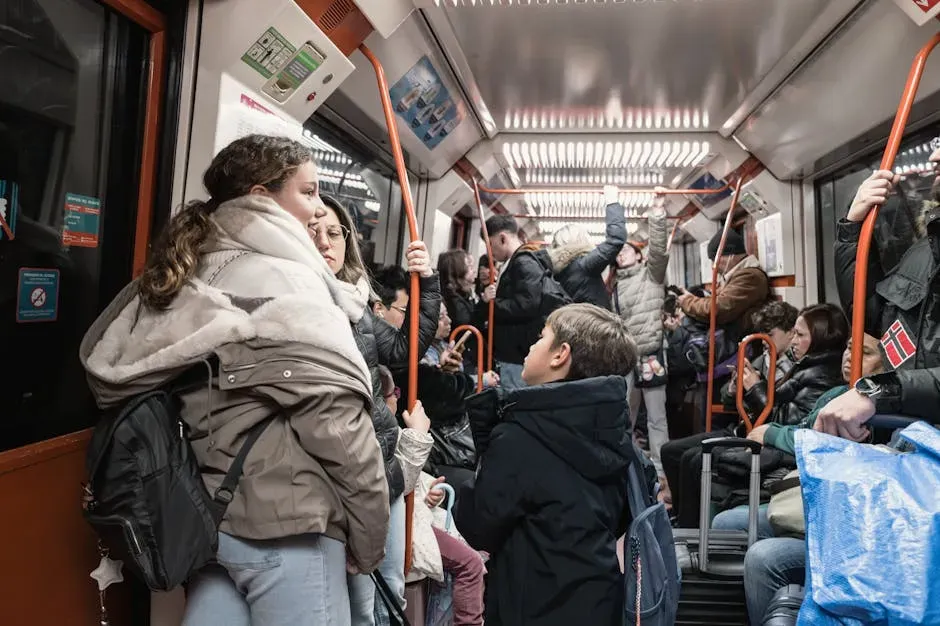
East Coasters bond over gripes about “this heat” or “that late train.” Aimed at vague “theys,” these rants build solidarity amid shared woes. It’s a staple in crowded delis or subway waits.
West Coasters take them personally, sensing negativity toward them. Positive vibes rule, so venting jars against laid-back norms. Misreads turn potential friends into perceived grumps.
Feedback: Straight or Sandwiched?
Direct critiques thrive east, where “No, that’s wrong” pushes fixes fast. Assertiveness earns respect in competitive scenes. It cuts through noise effectively.[1]
West Coast versions buffer: positives flank suggestions. This preserves feelings amid innovative teams. Easterners might see it as vague, delaying real progress.
Meeting Dynamics at Odds

East Coast sessions sprint: agendas stick, decisions snap. Minimal fluff keeps momentum in high-density finance worlds. Responsiveness proves reliability here.[1]
West Coast ones meander collaboratively. Brainstorming flows with side tangents on vibes or visions. Tech hubs favor this openness, though it tests Eastern patience.
Navigating Conflict

East Coasters confront head-on, hashing disagreements openly. Quick clashes clear air in tradition-rich areas. It aligns with anxious, competitive traits noted in profiles.[3]
West preferences sidestep for harmony. Indirect hints or group consensus avoid sparks. Empathy drives this, but unresolved tension builds for direct types.
Humor’s Regional Twist
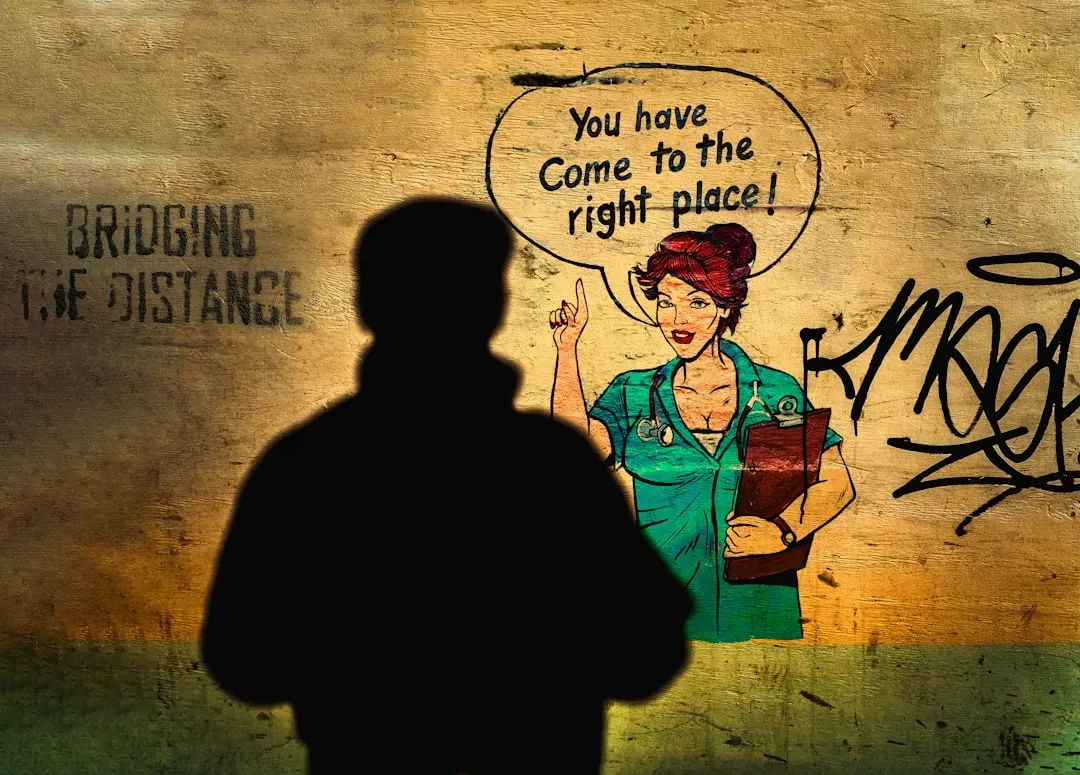
Sarcasm snaps east, with dry jabs landing amid fast talk. New Yorkers layer irony thick, expecting quick reads. It sharpens bonds in tough crowds.
West humor stays lighter, earnest. Straightforward laughs fit relaxed vibes, missing layered barbs. Cross-coast jokes often flop, adding to the puzzle.
Bridging the Coastal Gap
These styles stem from history, density, and personalities, not flaws. A 2026 business guide notes how awareness smooths trades between coasts.[1] Stereotypes persist – East as uptight, West as flaky – but real exchanges prove more nuanced.[5]
Next time a pause lingers or a question barrages, pause to consider the coast. Simple nods to the other’s rhythm cut confusion sharply. In a connected nation, these tweaks turn divides into dialogues.