
Drive-Thrus Dominate Fast Food Sales
Drive-thru windows handle roughly 70 percent of all fast-food sales across the United States. This massive share highlights just how ingrained the habit has become for everyday diners. Chains like McDonald’s and Taco Bell rely heavily on these lanes to keep revenue flowing. Even as dine-in options exist right next door, most folks opt for the car route. Recent reports from 2025 confirm this trend shows no signs of slowing down. Operators continue investing in bigger drive-thrus to meet demand. Customers keep coming back, proving convenience trumps everything else. The numbers speak volumes about our love affair with staying put.
Takeout orders now make up about 75 percent of restaurant traffic nationwide. Drive-thrus capture the lion’s share of that. Busy parents, office workers, and travelers all contribute to the surge. Fast-food giants report steady growth in these channels year after year. Suburban locations thrive especially well on this model. Urban spots adapt too, squeezing in lanes where space allows. The result keeps sales robust even in tough economic times. No wonder chains prioritize drive-thru upgrades over indoor seating.
Wait Times Stretch Far Beyond Expectations
The average drive-thru wait clocks in at over five minutes these days. During peak hours, that easily stretches to 15 or 20 minutes in popular spots. Taco Bell leads as the fastest at around four minutes and 16 seconds per the 2025 studies. Chick-fil-A lags behind at nearly seven minutes on average. Yet lines snake around buildings without anyone bailing for the door. Frustration builds, but patience holds somehow. Apps track times in real-time, yet the cars keep piling up. Speed matters less than the overall ritual it seems.
Mystery shopper reports from late 2025 paint a clear picture of variability. Some chains hit five minutes and nine seconds overall. Weather plays a role too, slowing things down on rainy days. Staffing shortages add to delays nationwide. Still, over 60 percent of customers stick with drive-thru even when indoors looks empty. Loyalty programs encourage the wait with points and deals. Operators tweak menus for quicker prep to shave seconds. The system endures despite the clock ticking louder.
Comfort Zone in the Driver’s Seat
Staying in your car feels like a personal bubble of safety and control. No dealing with crowds or sticky floors inside. Air conditioning blasts just how you like it year-round. Music plays uninterrupted from your playlist. Kids stay buckled without meltdowns from unloading. Behavioral studies point to this sense of ease as a big draw. Perceived effort drops dramatically behind the wheel. That cozy factor outweighs actual time lost every time.
Psychologists describe it as reduced stress from familiar surroundings. Indoor lines expose you to strangers and noise. Car waits let minds wander freely. Podcasts or calls fill the void productively. Families bond over shared snacks right there. Research confirms people rate car idling as less annoying than standing queues. Habits reinforce the preference over years. No surprise it wins out consistently.
The Pull of Effort Minimization
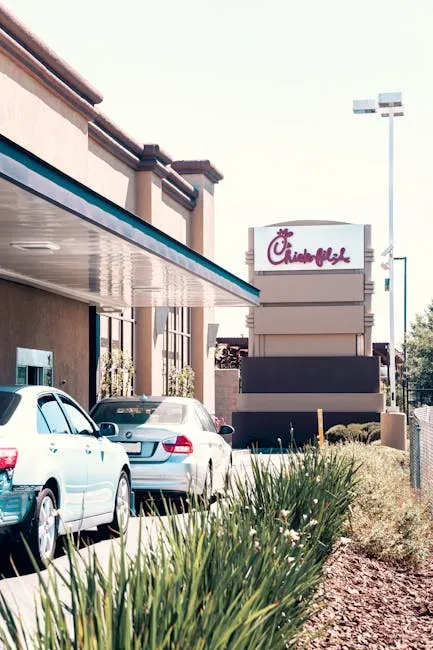
Humans naturally dodge small physical efforts, even silly ones like a 30-foot walk. This effort minimization bias kicks in strong around drive-thrus. Walking inside registers as more hassle than circling in traffic. Decision-making research backs this quirk perfectly. Brains prioritize mental ease over logical time savings. Short bursts of movement feel disproportionately taxing. That’s why empty parking lots see full drive-thru loops. The pattern repeats daily without fail.
Studies on physical activity echo the same tendency. People skip stairs for elevators nearby. Drive-thrus fit right into that blueprint. Cognitive distance warps our choices too. Driving seems effortless compared to stepping out. Real distances barely factor in. Experiments show folks willing to wait longer for less exertion. Urban lifestyles amplify the bias further still.
Roots in the Auto Boom Era
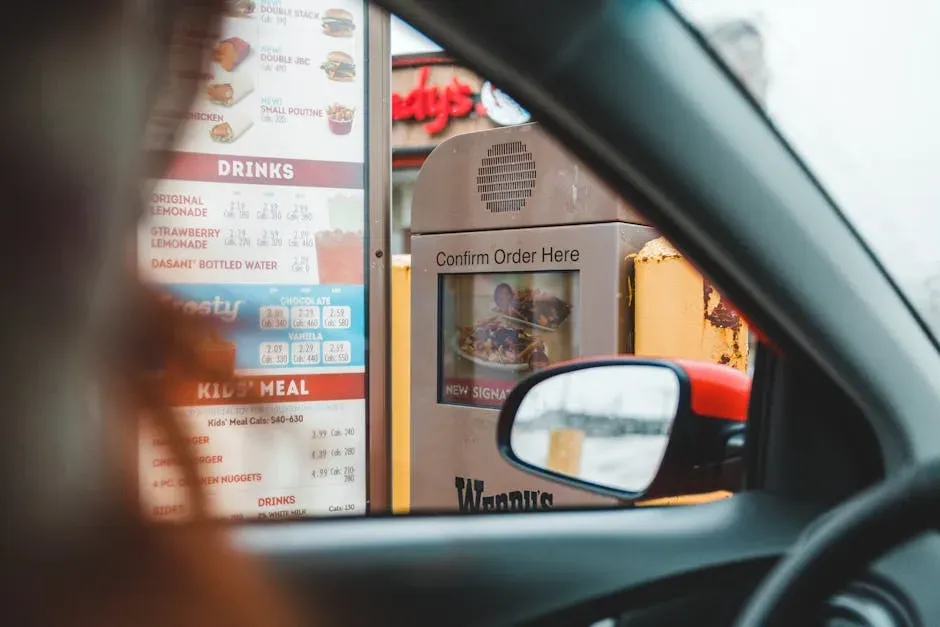
Drive-thrus exploded in popularity during the 1970s and 1980s. Car ownership skyrocketed then, especially in sprawling suburbs. Families ditched public transit for personal vehicles en masse. Fast-food chains spotted the shift and built lanes accordingly. In-N-Out and others pioneered the format early on. By the 80s, it spread globally from U.S. models. Convenience matched the era’s car-centric vibe perfectly. Architecture followed with drive-thru priority designs.
Post-war prosperity fueled the trend hard. Highways expanded, malls sprouted with easy parking. Walking fell out of favor in new developments. Chains like Wendy’s refined the system for speed. Cultural shifts cemented cars as lifestyle staples. Teens cruised for burgers without leaving seats. The habit stuck through generations since. Today’s setups owe everything to those decades.
Multitasking Made Effortless
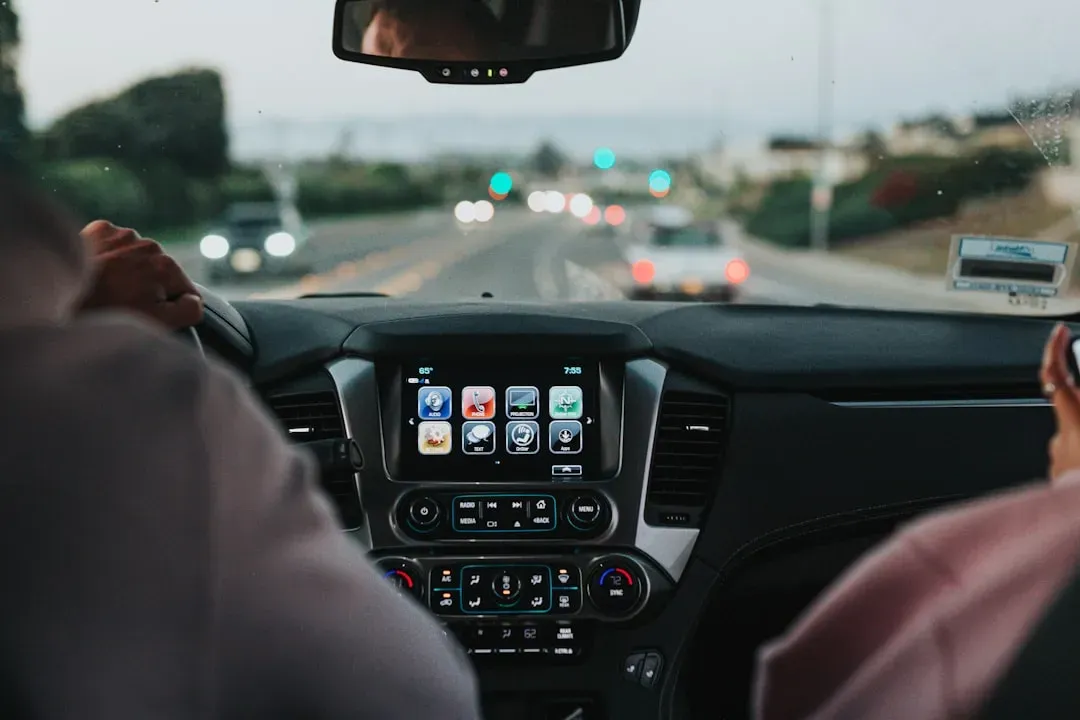
Drive-thrus shine for busy lives packed with distractions. Scroll emails or TikTok while inching forward. No need to park and interrupt the flow. Phone calls wrap up seamlessly in line. Consumer behavior insights from 2024 and 2025 highlight this appeal. Over 60 percent favor it for juggling tasks. Errands chain together without breaks. That flexibility keeps drawing people back reliably.
Parents feed kids straight from the window too. Work commutes blend with lunch grabs. Podcasts turn waits into learning sessions. Navigation apps reroute around traffic live. Studies note higher satisfaction from this utility. Indoor stops demand full attention shifts. Cars become mobile offices on wheels. The combo proves irresistible daily.
Indoor Lines Hit Different
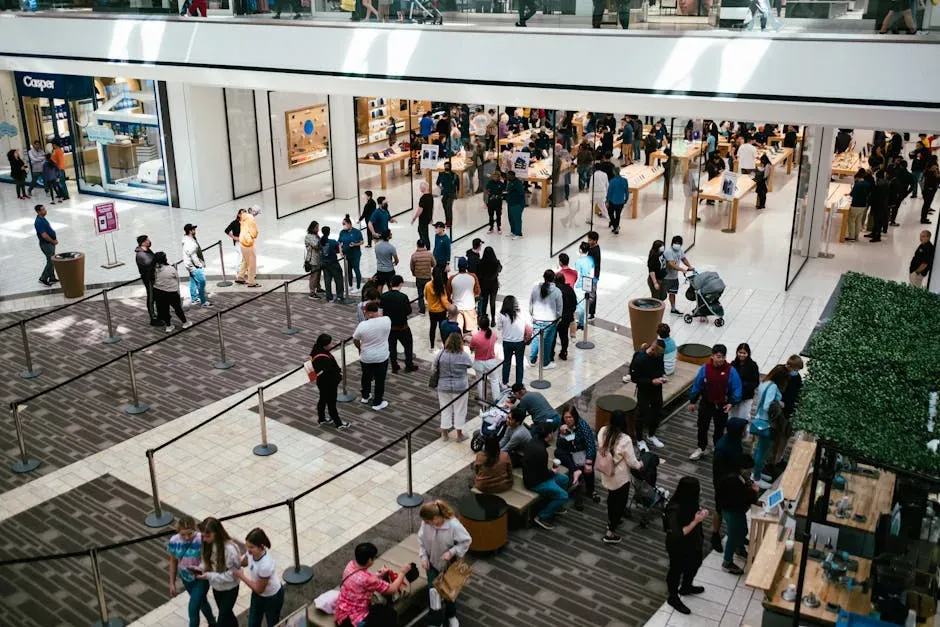
Waiting indoors amps up stress levels noticeably. Eye contact with impatient strangers builds tension. Echoing chatter and food smells overwhelm senses. No escape hatch like rolling up windows. Psychologists flag this as higher perceived discomfort. Equal times feel longer on foot. Drive-thru anonymity softens the edge entirely. Small wonder choices tilt heavily one way.
Crowded lobbies push buttons faster toward exit. Germ worries linger post-pandemic too. Seating scarcity forces standing marathons. Car confines offer climate control perks. Research contrasts the two vividly. Folks report calmer vibes behind tinted glass. Habit loops strengthen over repeated visits. The gap explains persistent preferences clearly.
Environmental Price of Idling
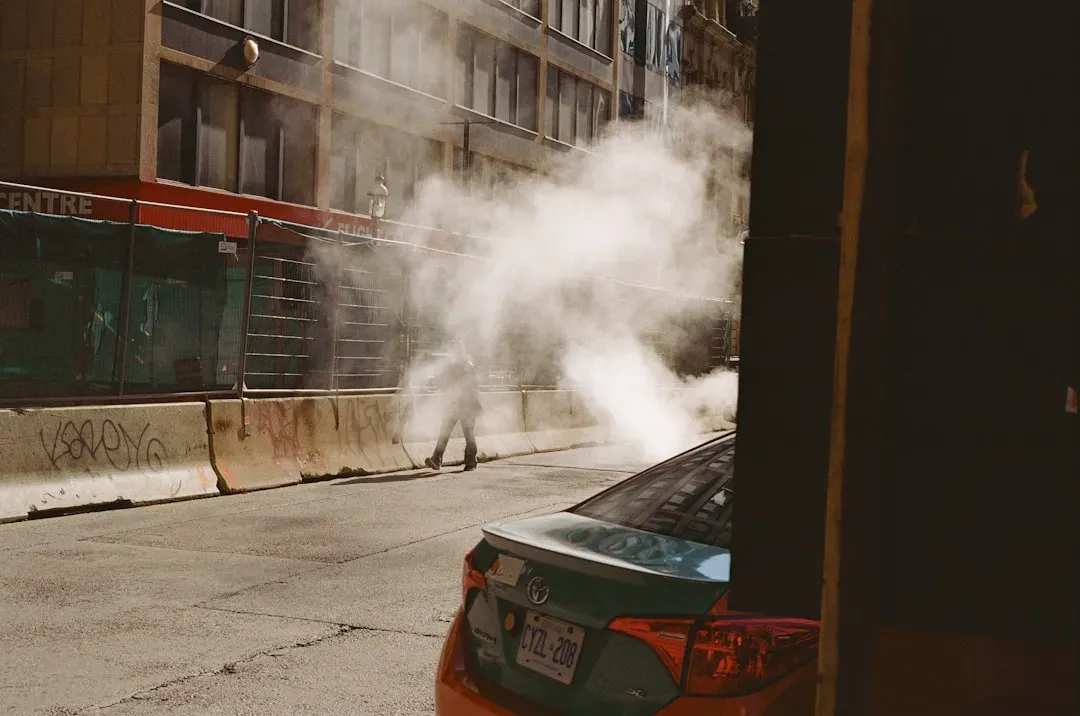
Idling engines in drive-thru lines guzzle fuel needlessly. Estimates peg U.S. waste at billions of gallons yearly. Emissions spike from all those exhaust pipes. Carbon footprints grow with every unnecessary minute. Cities eye bans to curb the impact now. Half a gallon per hour per car adds up fast. Peak rushes multiply the damage hugely. Greener choices like walking save resources quietly.
Department of Energy data underscores the scale. School zones and fast-food spots top offenders. Anti-idling campaigns push turn-offs. Electric vehicles ease some strain lately. Still, habits resist change stubbornly. Urban planning tweaks could shift behaviors. Awareness rises, yet lines persist undeterred. The trade-off weighs heavier than realized.