
Fast-Casual Salads Lose Their Appeal
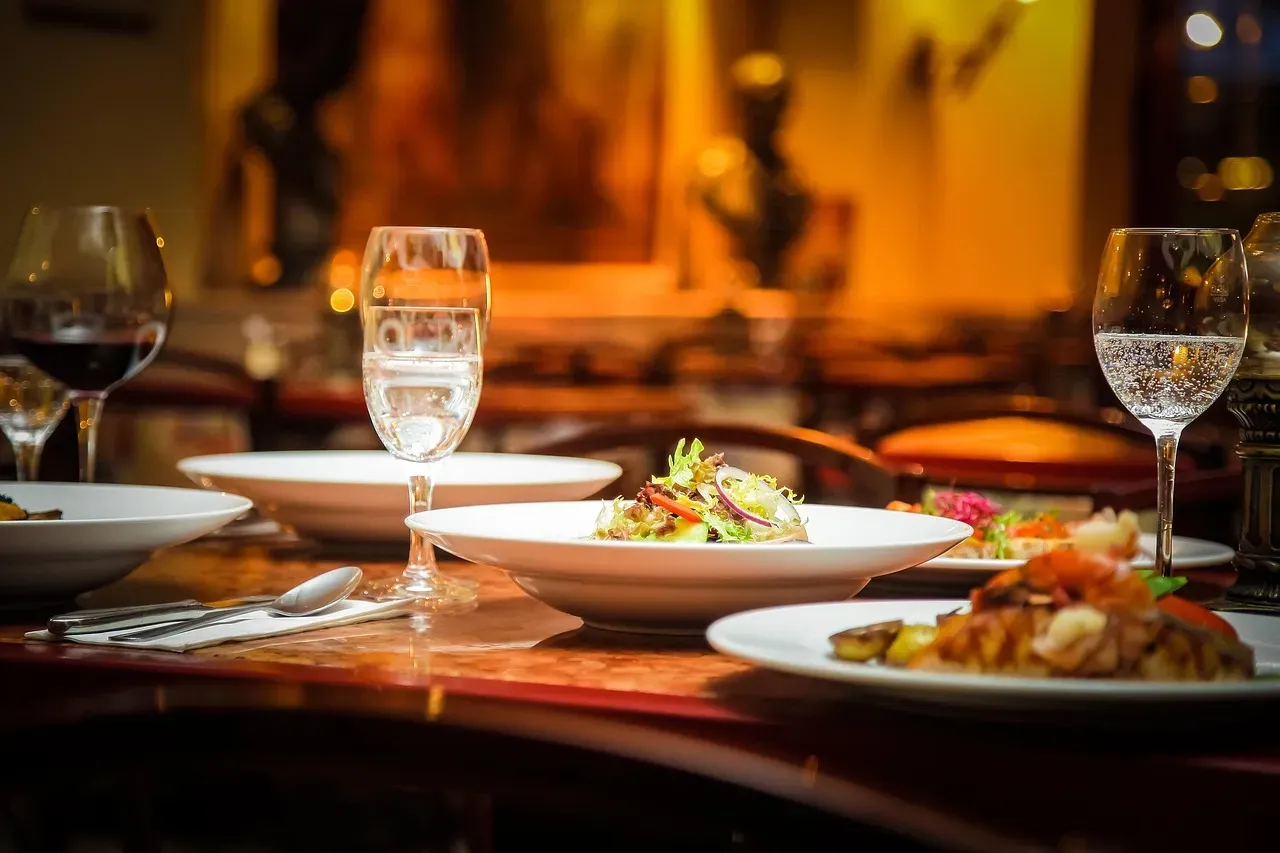
Salad chains like Sweetgreen and Chopt built empires on premium bowls priced at fifteen to eighteen dollars. Customers once lined up for those fresh, customizable options. Now sales are dipping into low-single digits for some, with stocks tumbling over eighty percent in places. The high prices no longer justify the experience amid tighter budgets. Chains are closing underperforming spots through 2026 and rethinking menus entirely. Smaller, cheaper salads might be the pivot they need to survive.
Drive-thru salad spots offer meals around seven dollars, stealing share from the pricier players. Consumers feel the pinch when a bowl costs as much as a full fast food combo. Fast-casual traffic weakened as folks seek better value elsewhere. These chains face rising labor and ingredient costs too. The era of splurging on a fifteen-dollar salad seems to be fading fast. Specialization alone isn’t cutting it anymore in this economy.
Fast Food Prices Climb Steeply
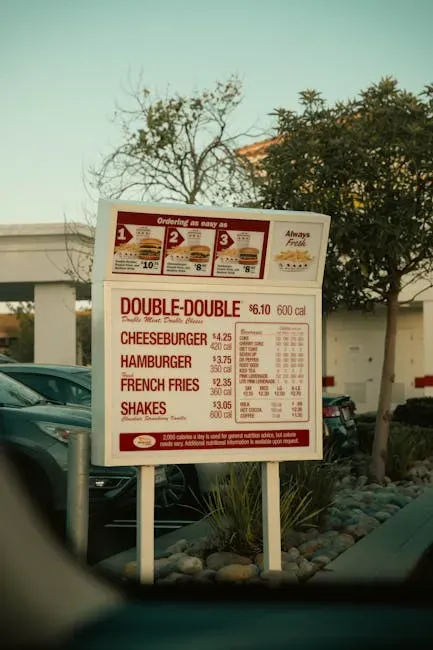
Menu prices at quick-service spots jumped around forty percent from 2019 to 2024 due to labor, food, and packaging hikes. Some items doubled or more between 2014 and 2024, far outstripping general inflation. Even into 2025 and 2026, prices rose another three point eight percent since early last year. Annual bumps hit eight percent during pandemic peaks, then six point seven percent after. Operators juggle these costs while trying to keep doors open. The result leaves meals feeling less like bargains.
Combo deals that once seemed cheap now push toward eighteen dollars in spots, fueling widespread frustration. Inflation on food alone climbed two point seven percent year-over-year by early 2026. Labor shortages keep wages high, squeezing margins further. Customers notice every penny when basics cost more. Chains extended price hikes cautiously, but the damage to perceptions lingers. Affordability hangs by a thread now.
Traffic Declines Signal Trouble
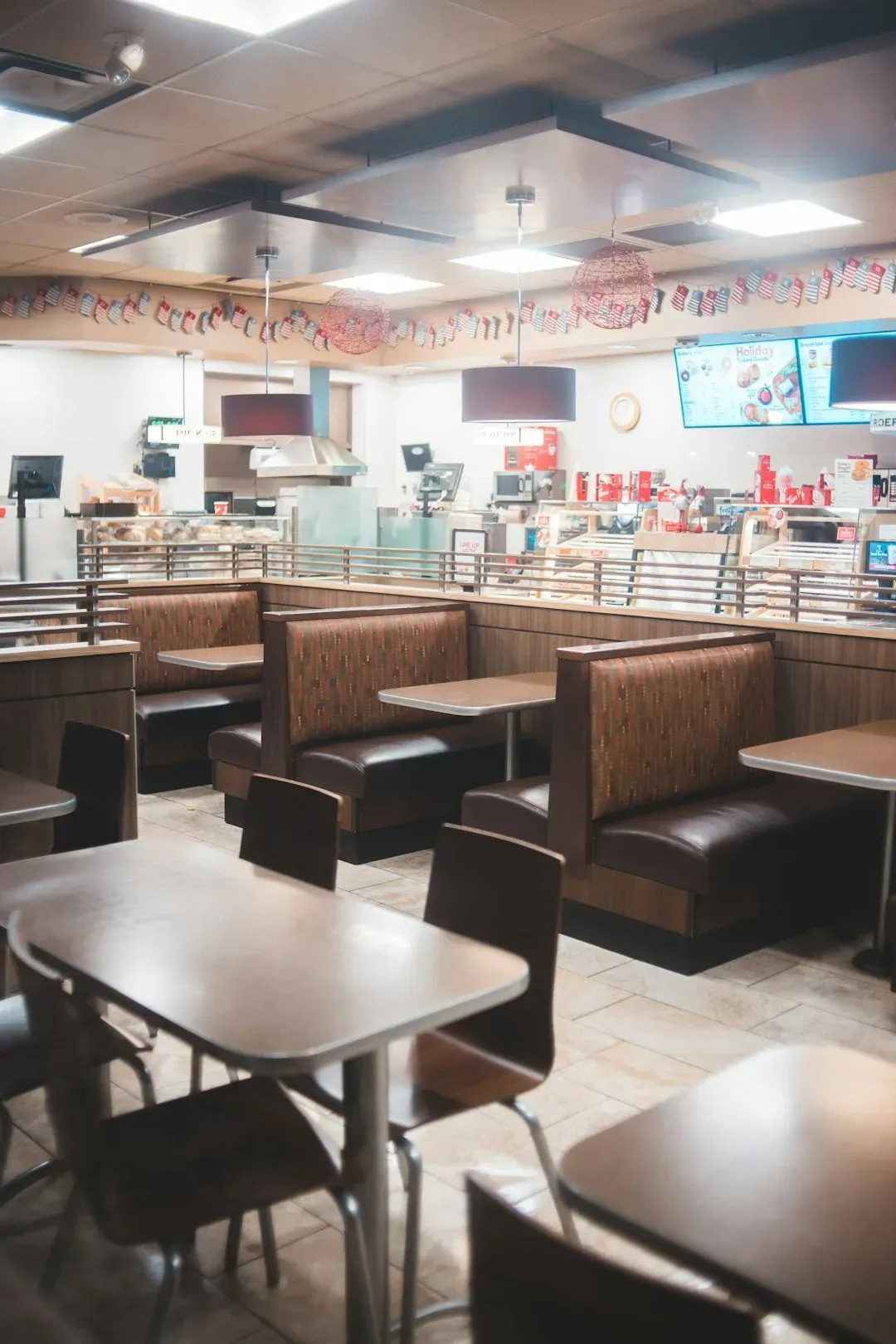
Fast food visits dropped one point five percent year-over-year in February 2026, the weakest in months. Breakfast traffic plunged eight point seven percent in mid-2025 alone. Overall industry footfall slid two point nine percent late last year amid rising checks. Operators report lower traffic for months running, even as sales tick up slightly on higher prices. The drive-thru, once a powerhouse, loses steam too. People cook at home more or skip out entirely.
This trend hits hardest where demand used to be steady. Net traffic rose for only forty-three percent of spots early this year, up a bit but still soft. Economic uncertainty weighs on choices daily. Fewer bodies through the doors mean tougher times ahead. Chains scramble to lure them back with tweaks. The empty lobbies tell the real story.
Lower-Income Customers Vanish
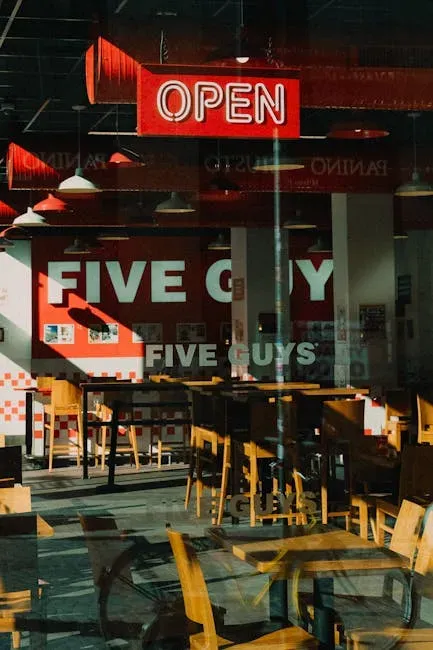
Double-digit drops in visits from low-earning households rocked the industry through 2025. McDonald’s and others saw core low-income traffic fall sharply, industry-wide. These shoppers, once loyal, now cut back amid economic stress. Forty percent of lower-income folks report dialing down fast food most. Jobs growth slowed, amplifying the pullback. Chains that relied on this group feel the void deepest.
Middle-income visits stabilized somewhat, but the bottom end drives volume. Operators note bifurcation, with pricier spots faring better. Low earners hunt smaller packs or meals under five dollars. Breakfast sales lagged especially here. Reengaging them tops priority lists now. Without them, growth stalls hard.
Viral Meals Ignite Outrage
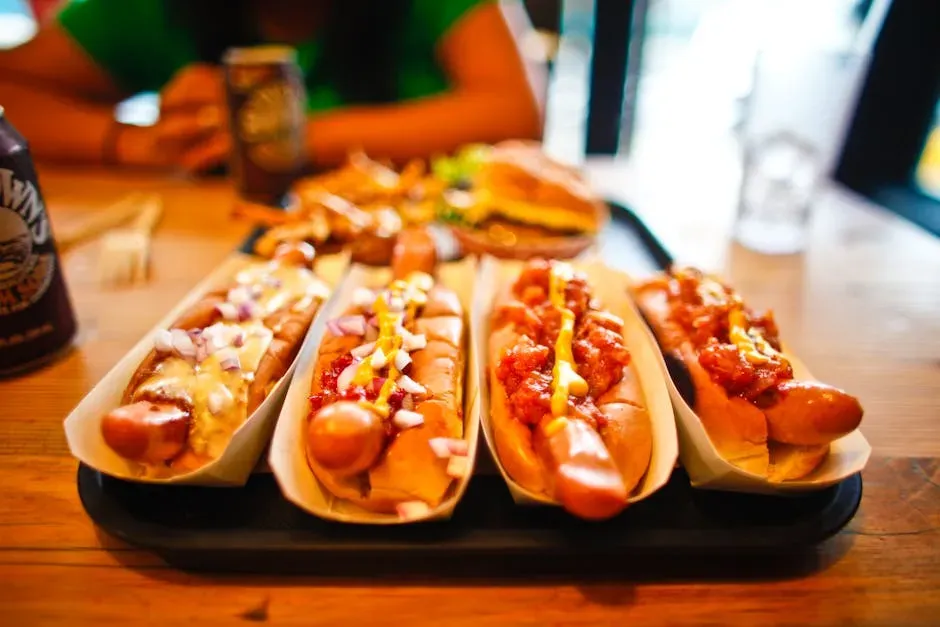
A combo hitting eighteen dollars went viral, capturing widespread sticker shock. Social media buzzed with complaints over portions shrinking while prices ballooned. Folks shared receipts showing fast food rivaling sit-down costs. This spotlight forced chains to respond quicker. The frustration built over years of steady hikes. Public backlash turned quiet grumbles loud.
Examples like Wendy’s fifteen-ninety-nine meals drew fire too. Customers called out the shift from value to luxury pricing. These moments highlight broader pain points. Media picked up the stories, pressuring executives. Value perception crumbled under scrutiny. The internet amplified what wallets already knew.
McDonald’s Fires Up Value Deals
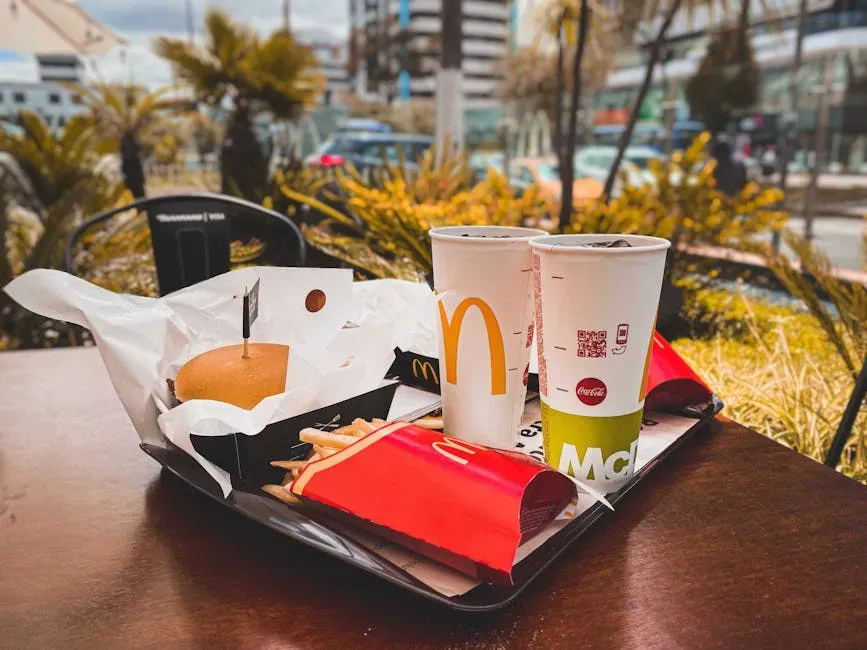
The golden arches launched a five-dollar meal in 2024, extending it into 2025 and beyond. Now McValue 2.0 brings ten items under three dollars starting April 2026. Breakfast bundles hit four dollars to win mornings back. Badges highlight deals on apps and boards. This counters traffic woes head-on. Simpler menus focus on affordability first.
Past deals ran fifteen percent below a la carte to rebuild trust. The strategy pulled some crowds initially. Competitors watched closely as it played out. McDonald’s aims to close gaps with rivals through volume. Low-income focus sharpens here. Bets big on basics winning out.
Rivals Join the Fray Aggressively
Wendy’s rolled flexible two-for-seven mixes in 2025, topping some summer value lists. Burger King dropped five-dollar duos, picking any two items. Taco Bell and Sonic pushed one-ninety-nine menus for inflation-hit crowds. Chains like these slashed popular bites to two-forty-nine. The wars shifted from big burgers to everyday steals. Savings heat up across boards.
Extensions and buy-one-get-one deals proliferated into 2026. Each tweak targets price-sensitive eaters directly. Mix-and-match options add flexibility. This arms race boosts choices for tight budgets. Foot traffic responds slowly but surely. No one wants to lose share now.
Affordability Shapes Tomorrow’s Menu
Fast-casual wilts as fast food fights back with bundles and slashes. Consumers shift to spots matching portions at similar tabs. Value stays central, with under-three-dollar staples leading. Smaller salads or home meals gain ground too. Chains plan closures but eye pivots like drive-thrus. The landscape favors the frugal.
Expect more undercutting through 2026 as traffic dictates. Low-income reengagement decides winners. Prices moderate, but perception rules. Operators balance costs without alienating bases. The value wars refresh old battles for good reason. In the end, the cheapest door gets the most traffic.