

Bed bugs keep showing up more often in hotels these days. Recent surveys point out that one in seven U.S. travelers ran into them over the past year, and about 20 percent of those cases hit five-star spots.[1][2] Even with all the cleaning, these pests hitch rides on luggage and spread fast. Professionals like me know exactly where to check first to catch them early.
Infestations have climbed since travel picked up post-pandemic. Orkin data from 2024 to 2025 shows Chicago topping the list for bed bug treatments, with cities like Cleveland and Detroit close behind.[3] Hotels face this too, as 70 percent of pest control calls involve them.[2] Spotting signs right away saves headaches later.
1. The Headboard: Where I Always Begin

I start every inspection at the headboard because bed bugs love its cracks and crevices. These spots stay dark and undisturbed, perfect for hiding during the day. Pull back the sheets first, then shine a flashlight along the edges and seams for tiny black fecal spots or shed skins.[1] Many checklists from pest experts list this as step one, ahead of the mattress itself.
2. Box Spring Corners and Joints

Next comes the box spring, full of tight hiding places like corners and screw holes. Bed bugs squeeze in there easily and build up fast if missed. Check every angle with light, watching for live bugs or eggs no bigger than a pinhead. Harris Pest Control stresses repeating this on all beds in the room.[1]
3. Bed Frame Cracks

Wood or metal bed frames hold surprises in their joints and gaps. Pests crawl along these to reach sleepers nearby. A quick peek under the frame often reveals dark stains from their droppings. Experts note frames as a key early spot before bugs spread wider.[1]
Overlook this, and you risk missing a growing nest. Flashlights help spot the subtle signs.
4. Nightstand Drawers
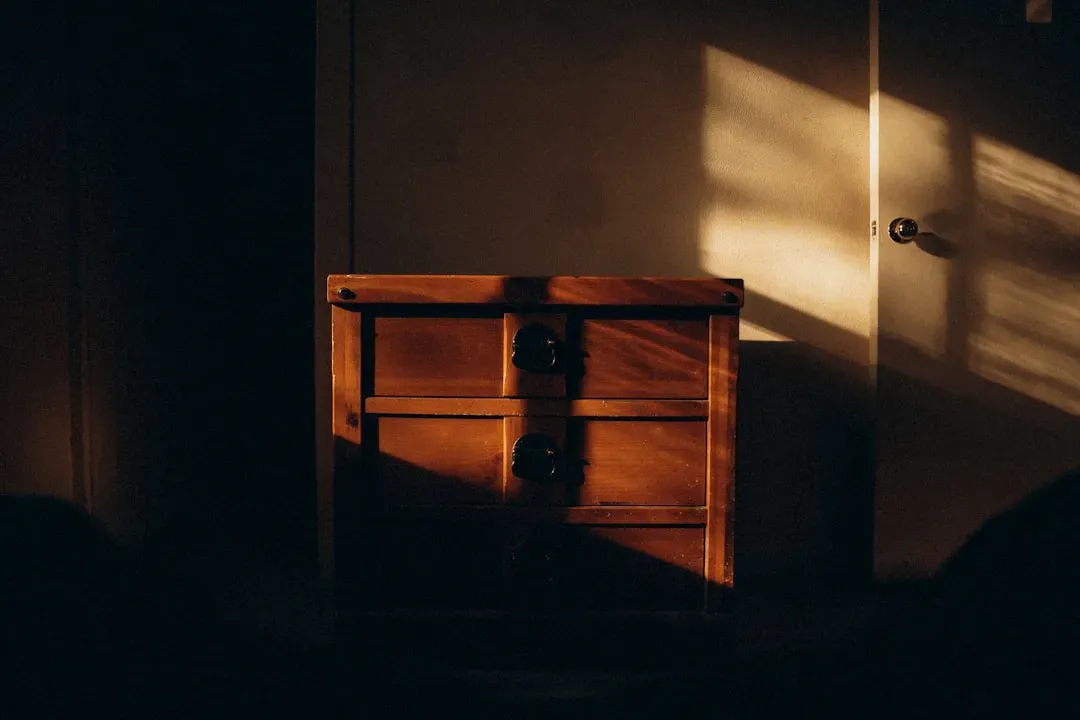
Nightstands sit right by the bed, so I open every drawer and check undersides. Bugs drop in from above and hide in the wood cracks. Look for reddish-brown bugs or blood smears on the surfaces. Terminix guides mention these as prime nearby furniture risks.[4]
5. Upholstered Furniture Seams
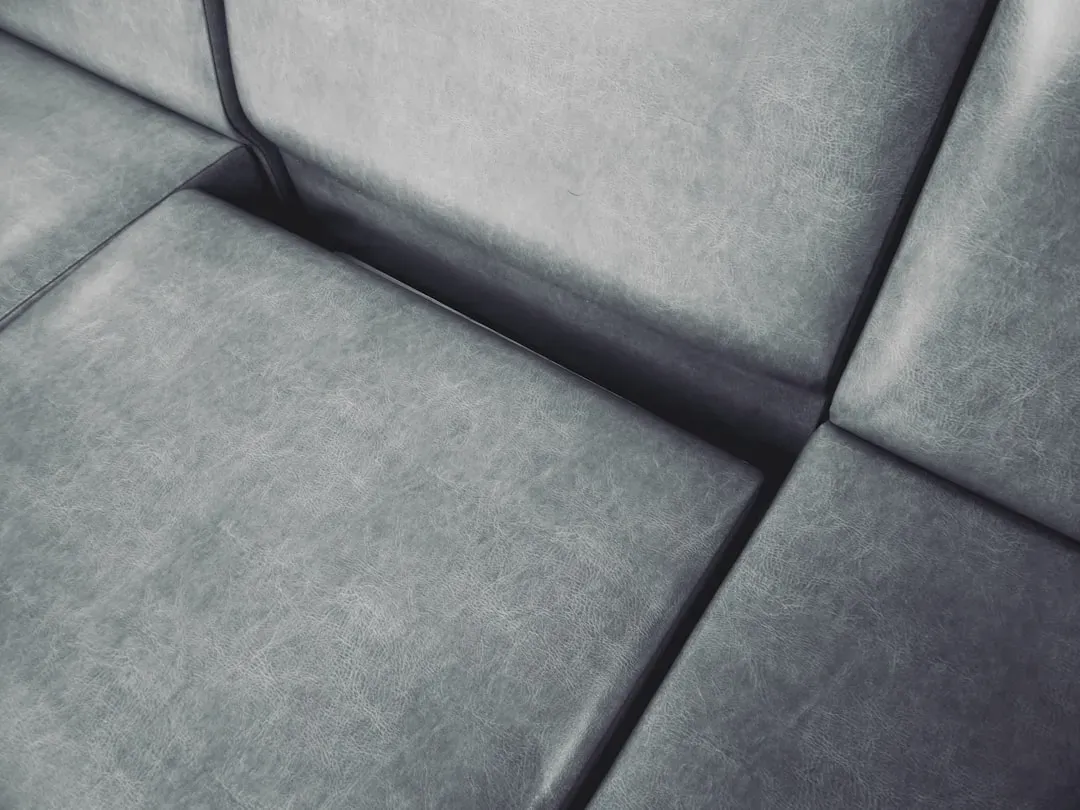
Couches and chairs draw bugs with their folds and cushions. Lift them up and scan the undersides closely. Seams here mimic bed hiding spots perfectly. Inspections always cover these to block spread from the sleeping area.[1]
Dark spots show up first in these crevices. A magnifying glass makes small eggs visible.
6. Baseboards Along the Walls
Baseboards run low and offer paths for bugs to travel room to room. Run your light along them, especially near the bed. Fecal marks dot these lines often in active spots. Wall checks come standard in pro protocols.[1]
7. Behind Picture Frames

Artwork and mirrors on walls hide bugs in the back crevices. Dust them off and peer behind with light. These spots stay untouched for months. Checklists flag wall hangings as sneaky harbors.[1]
Bugs use them to move undetected. One glance can confirm or clear the area.
8. Curtain Hems and Drapes

Curtains fold over and create cozy pockets for pests. Tug the hems down gently and inspect the fabric edges. Eggs stick there amid the dust. Full room sweeps include these soft spots.[1]
9. Electrical Outlets and Lights
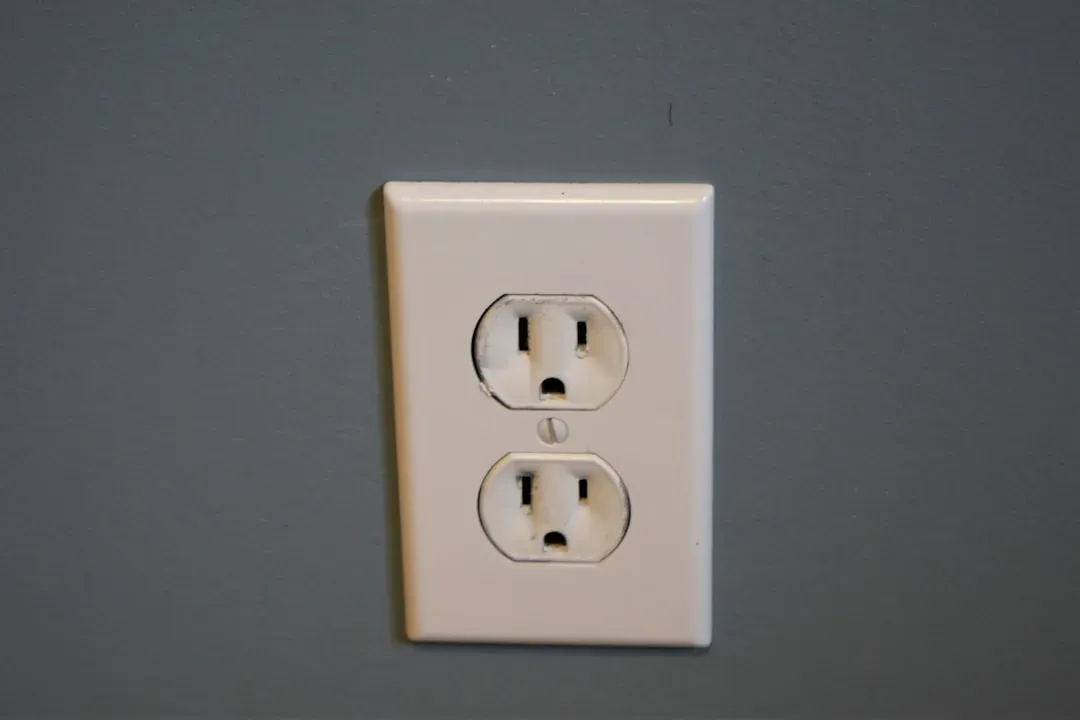
Outlets and wall fixtures pull bugs into their slim openings. Pry covers if safe, or just shine light around. Tiny invaders fit anywhere dark. Terminix lists these in wall inspections.[4]
Sounds from bites often trace back here too. Quick checks prevent surprises.
10. Luggage Rack Straps

The luggage rack seems safe, but fabric straps trap hitchhikers. Inspect before use, focusing on weaves and undersides. Bugs climb from floor up easily. Pros warn against skipping this last step.[1]
Bag your gear instead if unsure. It keeps clean stays clean.
A solid inspection takes just minutes but spots trouble early. With bed bugs hitting up to 80 percent of hotels yearly, vigilance pays off every trip.[2] Keep luggage off soft surfaces, and check home too upon return. Travelers who do this sleep better, wherever they stay.