
Next time you grab the bill at a restaurant or shop online, take a close look at the fine print. Small lines like “service charge” or “processing fee” often pop up unexpectedly, adding dollars without much notice. These so-called junk fees have drawn scrutiny, especially as costs rise for everyone.[1]
Americans shell out billions yearly on such hidden extras across bills and receipts. New rules from the FTC and states aim to curb the worst offenders, yet plenty slip through. Spotting them starts with checking that receipt carefully.
Credit Card Surcharges
Restaurants and retailers increasingly tack on fees when you pay with plastic. These cover merchant costs from card companies, typically 2 to 4 percent of the total. About one-third of small businesses use them now, up amid higher expenses.[2]
They must appear on receipts as a separate line, and laws in most states allow it as of 2026. Still, some spots bury the notice in menus or signs. Paying cash often dodges this hit entirely.[3][4]
Restaurant Service Charges

Many eateries add a flat service fee, around 3 to 5 percent, to cover wages or operations. Over 15 percent of restaurants nationwide include these on bills. They surged post-pandemic as labor costs climbed.[2]
Receipts list them vaguely sometimes, leading diners to double-tip unaware. States like California demand upfront disclosure since 2024. Ask your server if it’s optional before paying.[5]
Wellness or Employee Benefit Fees

These cover staff health plans or perks, often 1 to 4 percent on the check. Restaurants frame them as support for workers amid tight margins. They blend into totals on receipts without clear explanation.[6]
Complaints rose in 2025 as more spots adopted them quietly. Newer laws push for menu mentions to avoid surprises. Opt for places without them or pay cash to sidestep.[7]
Convenience or Processing Fees
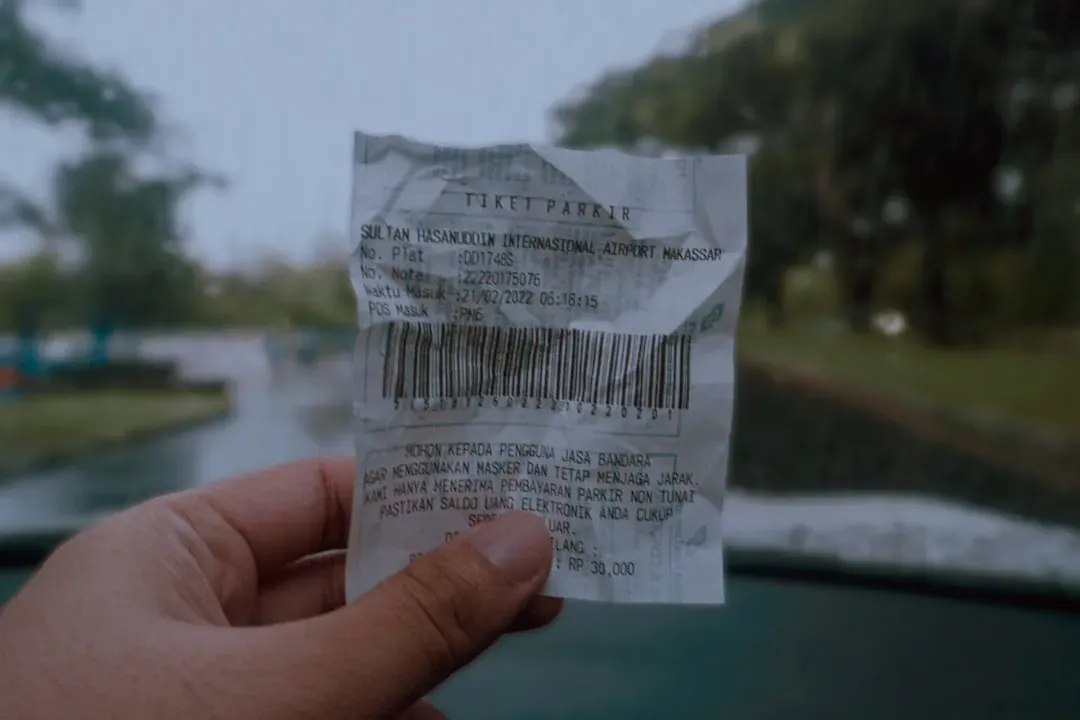
Online orders or quick-service spots slap on these for “handling” your transaction. They range from a buck to several percent, hitting delivery apps hardest. Retail receipts show them at checkout too.[8]
FTC rules since May 2025 target drip pricing in some sectors, but everyday bills still carry them. Households average over $1,400 yearly in related hidden bill costs. Review before confirming to catch extras early.[9][10]
Why These Fees Persist

Businesses face slim profits from inflation and wages, so fees offset without hiking menu prices. Junk fees total around $90 billion yearly nationwide. Restaurants cite supply and labor pressures in 2025 reports.[1]
Consumers overlook them in the moment, letting the practice continue. Awareness grows through social media lists of offending spots. Change comes slowly despite backlash.
New Laws Cracking Down

The FTC’s Junk Fees Rule kicked in May 2025, mandating all-in pricing for events and lodging. States like California banned hidden adds in ads since July 2024. More followed in 2026 for restaurants.[9]
Violators face fines, pushing clearer receipts. Not all fees vanish, only the truly sneaky ones. Check local rules, as they vary by state.
The Real Cost to You
Hidden extras drain nearly $200 billion annually from U.S. households on bills alone. That’s over $1,400 per family in late fees, overdrafts, and surprises. Restaurants contribute via unchecked surcharges.[10]
They erode trust and budgets quietly. Multiplied across meals and shops, savings add up fast. One overlooked line changes the math.
Signs They’re on Your Receipt
Look for acronyms or vague terms like “admin” or “benefit fund.” Fees over 3 percent warrant a question. Digital receipts hide them in totals sometimes.[6]
Compare pre- and post-tax subtotals closely. Servers may explain if asked politely. Snap a photo before signing off.
Tips to Dodge the Hit
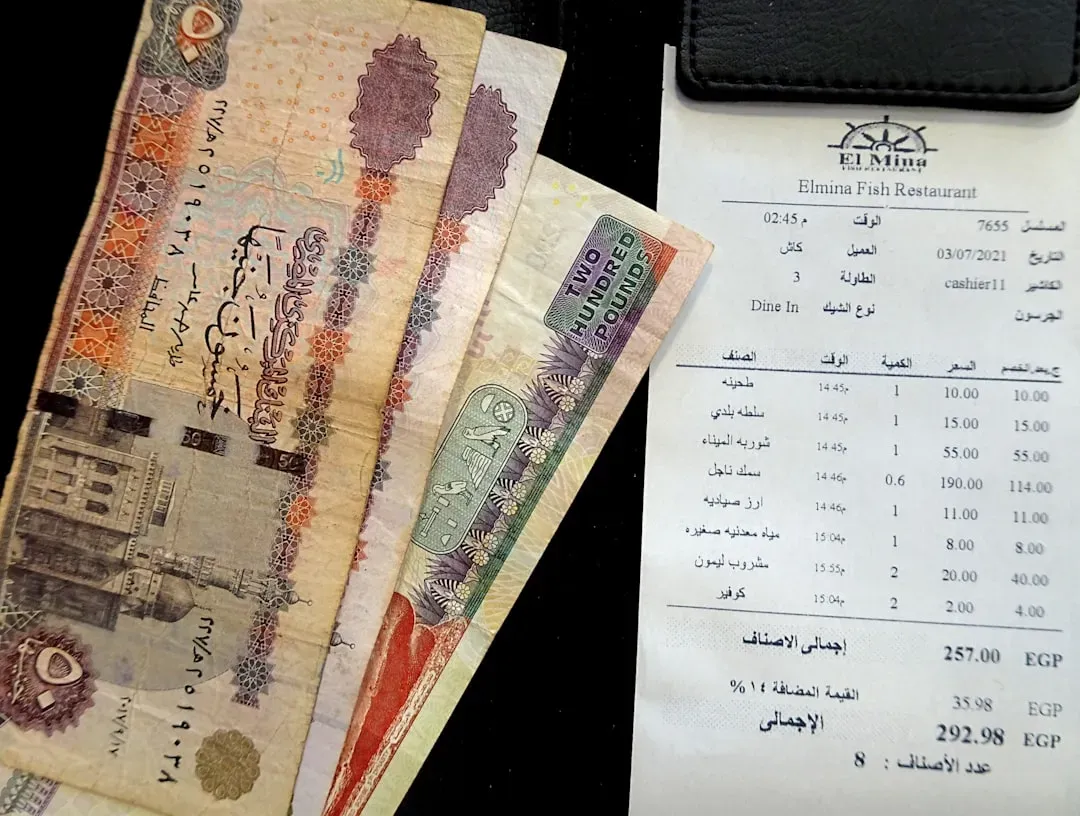
Pay cash where possible to skip card fees. Read menus for notices upfront. Choose spots with transparent pricing.[11]
Speak up if a fee surprises; many remove it. Use apps rating fee-heavy businesses. Build the habit of receipt review.
Final Thoughts

These invisible adds thrive on inattention, but a quick scan shifts power back. With laws tightening in 2026, expect fewer shocks over time. Your wallet thanks the vigilance.