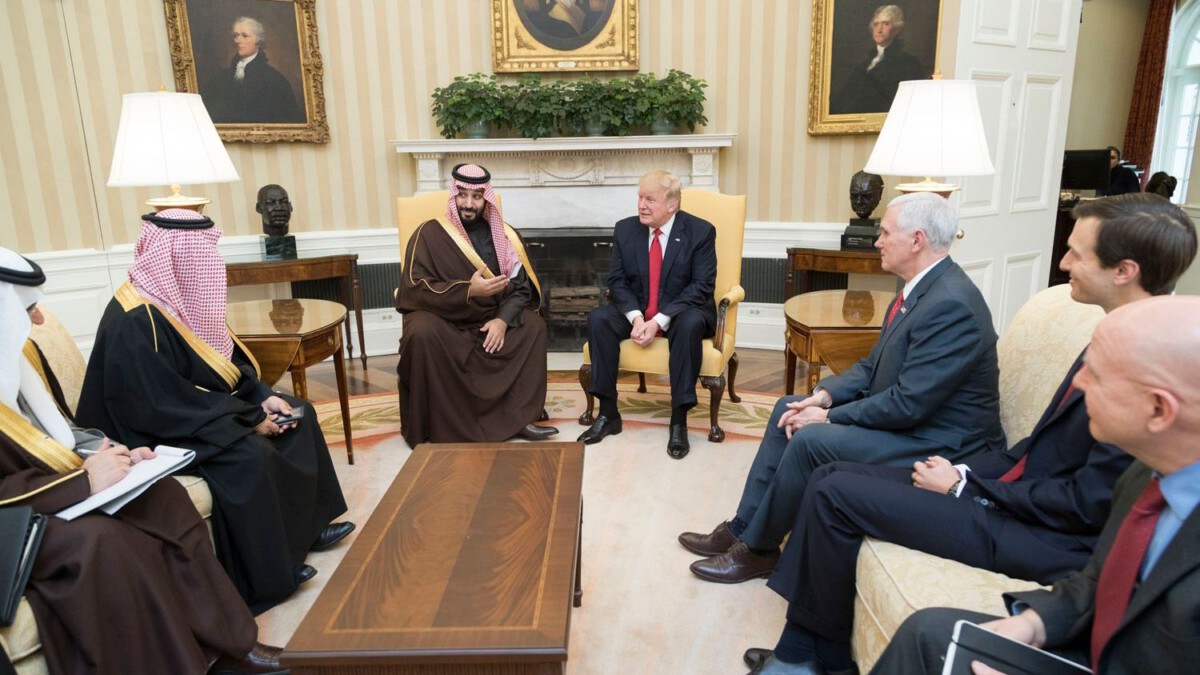
President Donald Trump reveals what he really thinks about the royal family – Image for illustrative purposes only (Image credits: upload.wikimedia.org)
Washington, D.C. – President Donald Trump warmed the atmosphere at the White House with a personal story about his late mother’s affection for Britain’s monarchy during the state visit welcome for King Charles III and Queen Camilla. He recounted how his Scottish-born mother followed royal events closely and once confessed a youthful infatuation with the then-Prince Charles. The revelation highlighted a deeper family connection to the crown, setting a jovial tone for diplomatic proceedings.[1][2]
A Mother’s Enduring Fascination
Trump’s mother, Mary Anne MacLeod Trump, immigrated from Scotland and instilled a strong appreciation for the British royals in her family. During the South Lawn arrival ceremony, the president described vivid memories of her reactions to television broadcasts featuring Queen Elizabeth II. She remained transfixed whenever the queen appeared on screen, he noted.[3]
The highlight came when Trump turned to King Charles directly. He shared that his mother had called the young prince “so cute” and admitted to having a “crush” on him. “I told the king this,” Trump added, prompting smiles amid the formal setting. This candid aside revealed the personal roots of his own enthusiasm for the institution.[4]
Such stories emphasized how everyday immigrants like Mary Trump bridged cultures through shared admiration for tradition and pageantry. Her influence lingered in her son’s public expressions of support for the monarchy.
Unearthed Links to Royal Ancestry
A recent genealogical investigation added another layer to Trump’s affinity, tracing a distant kinship between him and King Charles. Both men descended from John Stuart, the 3rd Earl of Lennox, who lived from 1490 to 1526. The finding surfaced in a detailed family tree report just before the visit.[5]
Trump reacted swiftly on his Truth Social platform, posting a screenshot of the article with the comment, “Wow, that’s nice. I’ve always wanted to live in Buckingham Palace!!! I’ll talk to the King and Queen about this in a few minutes!!!” The playful remark underscored his comfort with royal imagery. He signed it simply as “President DJT.”[6]
This connection, though remote, fueled speculation about informal chats during the visit. It aligned with Trump’s history of embracing prestige and historical ties in his rhetoric.
Consistent Praise Across the Years
Trump has voiced admiration for individual royals on multiple occasions. He described King Charles as a “fantastic man” and someone he had known for years, calling him brave and great. Past interactions reinforced this view, including compliments on Charles’ character during his first term.[7]
The late Queen Elizabeth II received particular acclaim. Trump recalled “automatic chemistry” from their meetings and labeled her a “grand and beautiful lady” after her passing. He extended sympathy to the family over challenges like Prince Andrew’s scandals, stating he felt “badly” for them.[8][9]
- Queen Elizabeth II: “Brilliant woman” with effortless rapport.
- King Charles III: “Fantastic” and longstanding acquaintance.
- Overall monarchy: “Big fan of the concept.”
These sentiments appeared in interviews, statements, and now live addresses, painting a picture of unwavering support.
Diplomatic Charm in a Busy Agenda
The state visit unfolded against efforts to bolster U.S.-U.K. relations. Trump highlighted shared goals, including Middle East stability, during a white-tie dinner. Guests noted the easy rapport between leaders despite past frictions.[10]
Protocol moments, like escorting the royals after events, carried personal touches from the Trumps. Melania Trump exchanged warm farewells, while the president mused on future trips. The four-day itinerary blended ceremony with substantive talks.[11]
As the royals departed, the emphasis stayed on mutual respect. Trump’s family revelations humanized the exchange, reminding observers of enduring alliances built on more than policy.
The White House moment captured a rare blend of nostalgia and statecraft, leaving a lasting impression on transatlantic ties.