

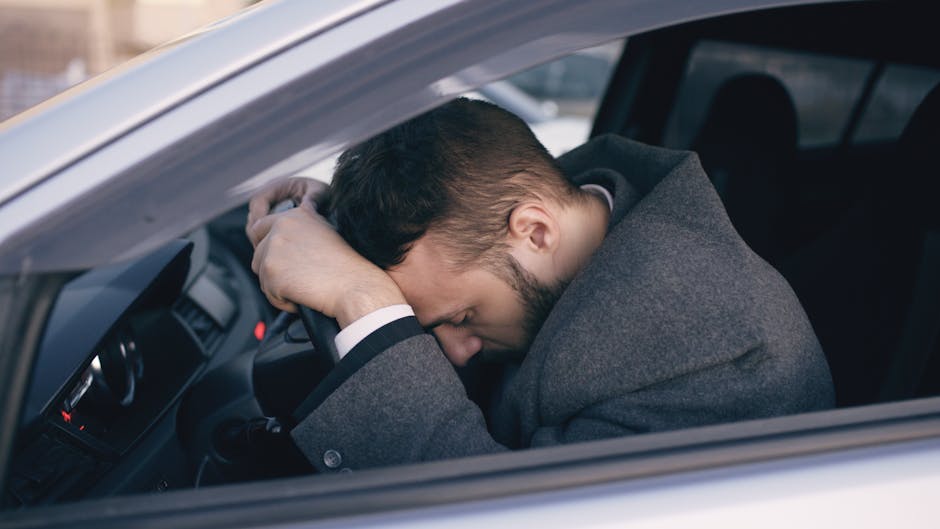
Tired before you even get into work? Survey finds which commutes burn people out most – Image for illustrative purposes only (Image credits: Pexels)
Gridlock stretches across the horizon as early morning light filters through car windows, turning what should be a simple trip into an endurance test. Workers from quiet suburbs pour into bustling city centers, their energy sapped before they reach the office door. A national survey of over 3,000 drivers recently pinpointed the commutes that trigger the highest levels of burnout, revealing patterns tied to major metropolitan areas.[1][2]
The Hidden Cost of the Daily Drive
Commuting has long tested the patience of American workers, but recent findings underscore its deeper toll. Researchers examined drives from suburbs into large cities, focusing on elements like traffic congestion, road construction, and total travel time. These factors extend the workday invisibly, leaving little space for recovery or personal pursuits.
Many residents choose suburban living for its space and serenity, only to confront hour-long battles on highways each day. The result often mirrors job-related stress, with frustration building from unpredictable delays and lost free time. This survey marked specific routes as the nation’s “burnout belts,” highlighting how routine travel erodes mental reserves.[3]
Ranking the Top 20 Burnout Commutes
The survey produced a clear hierarchy of the most draining drives. California suburbs dominated the list, with three in the top five feeding into Los Angeles, San Francisco, and San Diego. East Coast and Southern routes followed closely, reflecting dense urban hubs.
- Palmdale, CA to Los Angeles
- White Plains, NY to New York City
- Tracy, CA to San Francisco
- Homestead, FL to Miami
- Temecula, CA to San Diego
- Tacoma, WA to Seattle
- Sandy Springs, GA to Atlanta
- Frederick, MD to Bethesda/DC Metro
- Katy, TX to Houston
- Naperville, IL to Chicago
- Union, NJ to Newark
- West Chester, PA to Philadelphia
- Frisco, TX to Dallas
- North Bergen, NJ to Jersey City
- Fairfax, VA to Arlington
- Round Rock, TX to Austin
- Plymouth, MA to Boston
- Princeton, NJ to Trenton
- Clermont, FL to Orlando
- Wesley Chapel, FL to Tampa
Conducted by AMFM Healthcare, the study drew from responses across the country to compile this ranking.[4] Drivers on these paths reported the strongest associations with exhaustion and diminished well-being.
Factors Fueling the Frustration
Congestion emerges as a primary culprit, transforming predictable trips into chaotic ordeals. Roadworks add unpredictability, while sheer distance amplifies the drain on time and fuel. Suburban commuters often face this gauntlet twice daily, compounding the effect.
Large metro areas naturally draw these rankings, as population density clashes with limited infrastructure. Texas and Florida suburbs appeared frequently, underscoring regional growth pressures. The survey emphasized how these conditions blur boundaries between work and rest, fostering a cycle of fatigue.[3]
Workers endure not just physical strain but emotional wear, arriving depleted and less equipped for demands ahead. Over time, this pattern contributes to broader mental health challenges.
Voices from the Research
Experts connected directly with the findings. “Burnout is often framed as something that happens at work, but for many people, it starts and ends with the commute,” stated Anand Meta, LMFT, Executive Director at AMFM. He noted that losing hours daily before and after shifts hampers recovery, exerting a subtle yet profound impact on mental well-being.[3]
This perspective reframes commuting as more than inconvenience – an active contributor to exhaustion. The survey’s design captured real commuter experiences, lending weight to such observations.
Navigating the Road Ahead
While systemic fixes like expanded transit lag, individuals can reclaim some control. Suggestions include audiobooks or podcasts to reframe the drive productively, alongside guided meditation for calm amid chaos. Preparing snacks prevents hunger-fueled irritability.
Broader shifts, such as hybrid work models, offer promise in reducing reliance on these routes. As awareness grows, employers and policymakers may prioritize commute relief to safeguard productivity and health. The survey, detailed in full at the AMFM Healthcare report, serves as a call to rethink the journey that bookends so many workdays.
Ultimately, easing these burnout belts could unlock fresher starts for millions, proving that shorter paths lead to stronger finishes.





![I Googled my own name and a corporate clinic I’ve never worked at appeared [PODCAST]](https://everyday-states.com/wp-content/uploads/2026/05/1777788279277_photo-1758691462860-b1b9532c7394.jpeg)