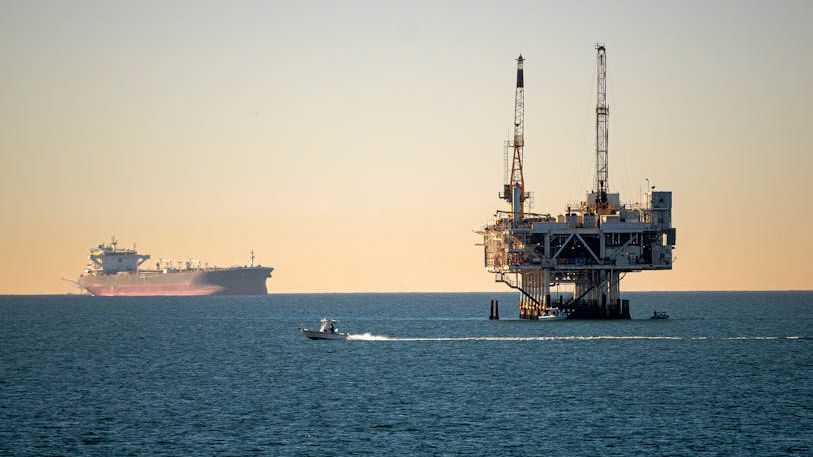
UAE’s OPEC exit could be advantage India in the long-term – Image for illustrative purposes only (Image credits: Pexels)
Indian refiners and fuel consumers, who depend on steady crude inflows to power the nation’s growth, now face a landscape reshaped by the United Arab Emirates’ departure from OPEC. The move frees the UAE from production quotas, positioning it to ramp up exports without cartel constraints. This development arrives at a critical juncture, as India imports nearly 90 percent of its oil needs and counts the UAE among its top suppliers.[1][2]
UAE Breaks from Decades-Old Cartel
The UAE announced its withdrawal from OPEC and the broader OPEC+ alliance on April 28, effective May 1. This ends nearly 60 years of membership, during which the country adhered to group production cuts aimed at stabilizing prices.[3] Officials cited national interests and a strategic review of production policies amid geopolitical tensions, including disruptions in the Strait of Hormuz.
Frustrations with Saudi-led quotas had simmered for years, as the UAE invested billions to expand capacity. Abu Dhabi National Oil Company targeted 5 million barrels per day by 2027, up from a 2025 output of about 3.1 million barrels against a 4.8 million capacity.[2] The exit allows the UAE to prioritize market demands over collective restraint.
India’s Deep Ties with UAE Crude
The UAE has long ranked among India’s top five crude suppliers, providing around 10 percent of total imports in recent years. In the first 11 months of fiscal 2025-26, that share reached 10.6 percent, underscoring its reliability amid diversified sourcing.[4] Proximity offers advantages, with shorter shipping times and lower freight costs compared to suppliers from the US or Brazil.
This partnership extends beyond volumes. The UAE participates in India’s strategic petroleum reserves, and bilateral energy cooperation has deepened through deals with Indian refiners. Russia currently dominates with over 30 percent share, but the UAE serves as a stable alternative, especially as sanctions loom.[1]
Flexible Supplies and Price Relief on Horizon
Without OPEC quotas, the UAE can offer higher volumes and tailored arrangements to meet India’s demands. Experts foresee this boosting energy security, as increased output provides a buffer against volatility.[4] Long-term contracts could lock in favorable terms, reducing exposure to spot market swings.
Potential price softening adds appeal. Sourav Mitra, partner at Grant Thornton Bharat, noted the exit “is likely to increase global oil supply flexibility in the medium term… which could soften crude prices. It is likely to be beneficial for India’s import bill and inflation in that sense.”[1] Every dollar drop per barrel saves India up to $2 billion annually on its 1.8-2 billion barrel import tab.[2]
- Higher production volumes from UAE’s expanded capacity.
- Custom supply deals free of cartel limits.
- Lower freight due to Gulf proximity.
- Feedstock security for refineries and petrochemicals.
- Diversification from riskier sources like Russia.
Navigating Short-Term Hurdles
Immediate effects remain muted, as the Hormuz blockade curbs Gulf exports. Markets show volatility, but no supply crunch for India yet. Prashant Vashisht of ICRA highlighted that “a significant increase in UAE production would aid India in procuring higher volumes,” particularly beneficial given logistics edges over distant suppliers.[4]
India’s flexible import basket, blending Russian discounts with Middle Eastern grades, positions it well. Strengthening ties with the UAE could accelerate rupee-denominated trade, aligning with de-dollarization goals.
Ahead: Reshaping Energy Dynamics
The UAE’s move signals eroding cartel unity, potentially spurring more supply and challenging high-price strategies. For India, it reinforces a pivot toward reliable partners, safeguarding growth amid global shifts. As production ramps up post-tensions, refiners anticipate steadier flows that could ease costs at the pump and bolster industrial margins. This evolution underscores how bilateral bonds now drive energy flows more than outdated alliances.