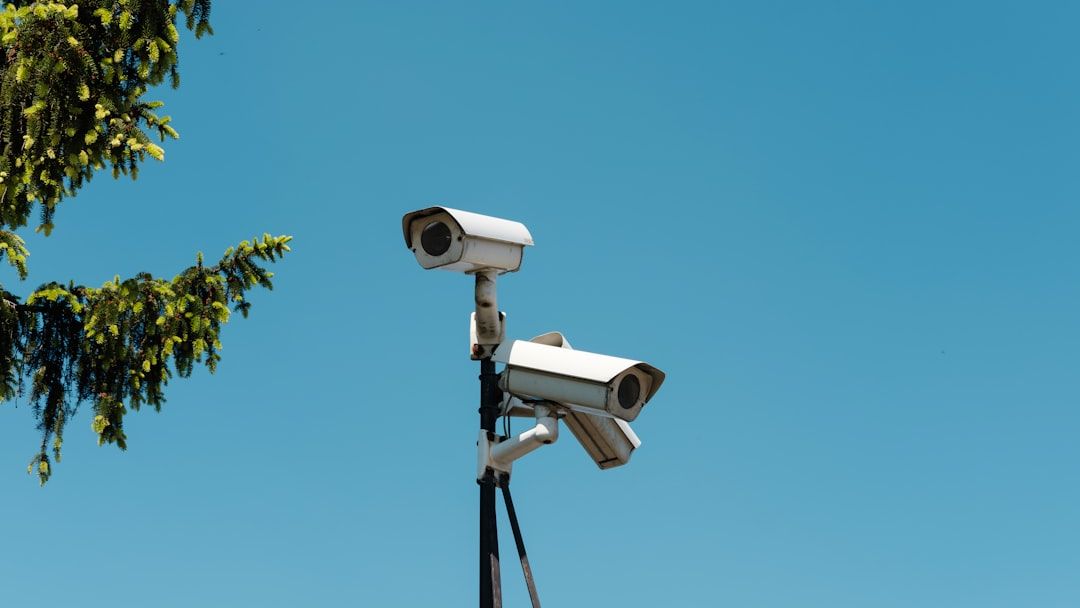
Privacy vs. Protection: Where Should We Draw the Line on Security Cameras? – Image for illustrative purposes only (Image credits: Unsplash)
Homeowners now routinely check smartphone alerts from high-definition cameras, catching intruders before they strike and contributing to burglary rates that have plummeted nationwide. Businesses report similar gains, with advanced systems deterring theft and aiding swift police responses. Still, this technological shield has sparked unease, as communities grapple with footage that sometimes strays into personal lives.
Crime-Fighting Power in Focus
Security cameras have transformed home protection. Property owners point to their role in driving down burglary incidents across the country, a trend backed by widespread adoption of these tools. The clarity of modern footage stands out; suspects appear sharply identifiable, enabling quicker identifications and arrests.
Communities benefit too. Newsletters from neighborhoods often share images of perpetrators, helping remove violent offenders from streets. Such outcomes highlight the systems’ effectiveness against random crimes, where evidence once went cold. Faster response times follow alerts, turning potential tragedies into resolved cases.
Growing Pushback from the Public
Local bodies now face mounting complaints. County commissions, city councils, and school boards hear repeated worries that surveillance shifts from safety to intrusion. Perceptions differ, yet the call for boundaries grows louder amid expanding camera networks.
Without federal action, states and localities must step up. Clear guidelines on usage would define acceptable practices, preventing overreach. This grassroots pressure reflects broader tensions as technology proliferates unchecked.
Private Contracts Raise Red Flags
Governments increasingly partner with private firms to manage surveillance. These companies gain data access, often repurposing it beyond initial safety goals like crime prevention. Intended for quicker policing and case resolutions, the footage instead fuels unintended applications.
Stakeholders clash here. Public safety improves – crimes once unsolved now close rapidly – yet data handling lacks oversight. Local officials approve systems for specific aims, only to see private operators extend their reach. This disconnect underscores the need for contract transparency and strict limits.
Surveillance Enters Private Spaces
Apartment complexes exemplify the creep. Large properties deploy cameras to track tenant routines, often without state regulations. As private land, owners face few restrictions, leading to footage uses that unsettle residents.
Law lags behind innovation, much like with artificial intelligence. Tenants encounter constant monitoring of daily habits, blurring lines between security and scrutiny. Such practices highlight vulnerabilities in unregulated zones, where personal behavior becomes archived data.
| Stakeholder | Benefit | Concern |
|---|---|---|
| Homeowners/Businesses | Burglary deterrence, real-time alerts | Limited personal data exposure |
| Local Governments | Crime reduction, faster resolutions | Private data misuse via contracts |
| Residents/Tenants | Safer neighborhoods | Intrusive monitoring of routines |
Charting a Balanced Path Ahead
Residents hold leverage through engagement. Attending meetings with council members or commissioners allows direct input on rules. State legislators can craft protections, ensuring cameras serve safety without eroding rights.
Key steps emerge clearly:
- Define data retention periods and access protocols.
- Mandate audits for private contractors.
- Require public disclosure of surveillance purposes.
- Exempt non-public areas from broad monitoring.
These measures would preserve gains while addressing fears. The challenge lies in timely adaptation, as unchecked expansion risks trust. For families relying on these tools daily, the outcome shapes not just security, but the texture of private life in an watched era.