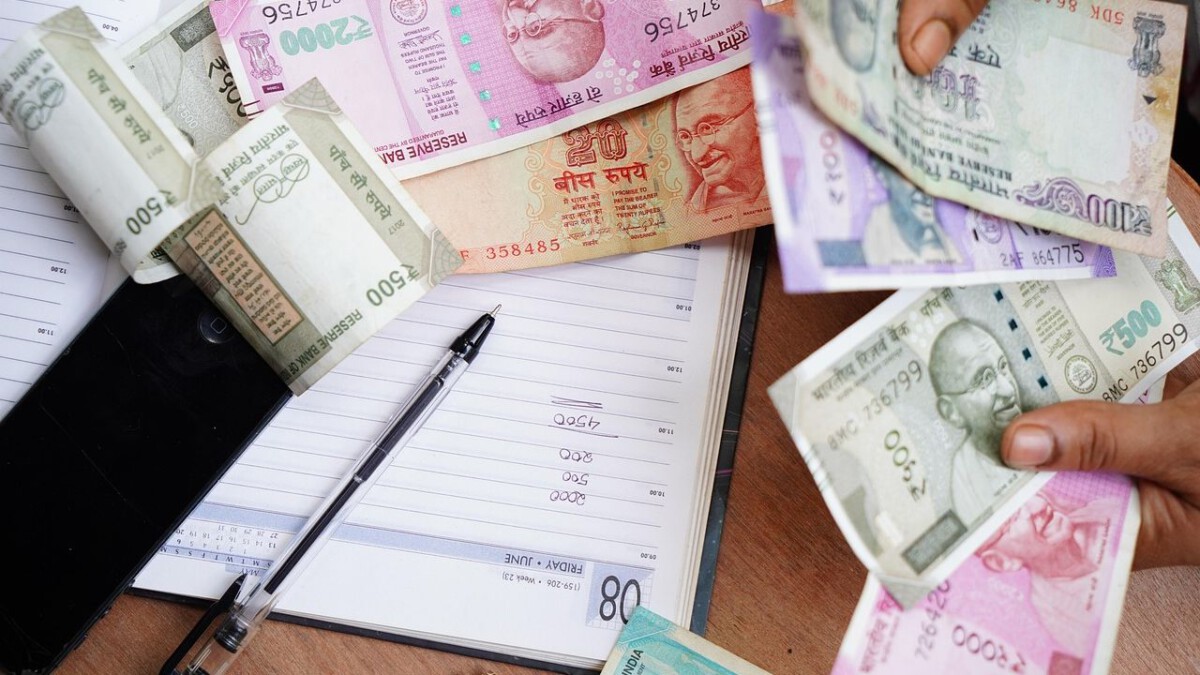
Think Twice: 6 Bank Papers You Must Protect – and 3 You’re Better Off Throwing Away – Image for illustrative purposes only (Image credits: Pixabay)
Millions of households overflow with stacks of financial paperwork, turning simple drawers into chaotic archives. While the impulse to hoard every receipt feels safe, it often invites risks like identity theft or misplaced key proofs during audits. Financial advisors stress a balanced approach: retain what truly protects your interests, and securely dispose of the rest. This strategy not only cuts clutter but also sharpens your readiness for taxes, disputes, or life changes.
The Risks of Hoarding – and Why Selective Keeping Wins
Financial records serve as your personal ledger, backing up transactions and claims when questions arise. The IRS advises holding tax-linked files for a minimum of three years, extending to seven in cases of significant errors or business activities. Beyond compliance, these papers shield against fraud or billing mix-ups that banks sometimes overlook.
Yet excess paperwork creates vulnerabilities. Thieves target discarded documents for personal details, and cluttered files make it hard to locate vital evidence quickly. Experts note that banks maintain digital archives for years, reducing the need for every paper copy. A deliberate purge, paired with smart retention, fortifies your financial security without overwhelming your space.
Six Bank Papers That Demand Long-Term Storage
Certain documents carry ongoing value, proving ownership, payments, or income over time. Neglecting them could complicate refunds, legal challenges, or tax filings. Here’s a breakdown of the essentials.
- Monthly Bank Statements: Hold general ones for one year to check transactions and catch discrepancies. Extend to seven years for those linked to taxes, big buys, or business costs, as digital bank copies eventually expire.
- Tax-Connected Records: Preserve statements reflecting income, deductions, or donations for three to seven years. Audits can reach back that far, making these indispensable for validation.
- Loan and Mortgage Agreements: Retain until debts clear completely, then keep payoff confirmations for years afterward. They resolve ownership queries or payment disputes effectively.
- Investment and Retirement Statements: Track contributions, withdrawals, and cost bases until assets sell and taxes settle. These simplify gain-loss math during reporting seasons.
- Major Purchase or Transfer Proofs: Documents for cars, large wires, or hefty payments prove activity or ownership. Insurers and courts often require them in claims.
- Fraud and Dispute Files: Store all correspondence and records until resolution, plus one more year. Issues can resurface, demanding fresh evidence.
Three Types of Papers You Can Confidently Discard
Not all bank output merits permanence; some duplicates or transients add little after verification. Discarding them streamlines your system while banks’ online portals provide backups. Always cross-check first to avoid oversights.
- ATM Receipts: Verify against your statement, then shred. They hold sensitive data but no long-term proof value.
- Non-Tax Monthly Statements: After one year, and absent major ties, dispose if unrelated to audits or disputes.
- Duplicates or Replaceables: Paper versions of digitally archived items clutter without benefit; banks supply reprints on request.
Shredding transforms trash into confetti, neutralizing theft risks. Cross-cut machines or services ensure no readable scraps remain.
Quick Retention Guide: Tax files (3-7 years), loans (indefinite until paid), everyday statements (1 year). Always prioritize digital scans for extras.
Steps to Build a Bulletproof Filing System
Organize keepers in labeled folders or acid-free boxes, separating by category and year. Scan everything into secure cloud storage with encryption, creating redundancies against loss or fire. Annual reviews help cull the outdated while confirming digital uploads.
This method pays dividends during tax season or bank inquiries. Fewer papers mean faster access, less stress, and lower identity exposure. Financial stability hinges on these habits, turning potential pitfalls into proactive defenses.
Adopt them now, and your drawer – and peace of mind – will thank you.