
Self-checkout kiosks promised faster lines and fewer waits. Yet after years of glitches and frustrations, major chains like Walmart, Target, and Costco now pull back. Recent moves signal a shift back to human cashiers in select spots.[1]
The trend accelerates amid theft worries and new rules. Stores tweak setups store by store. Customers notice shorter self-checkout rows already.[2]
Walmart’s Targeted Removals
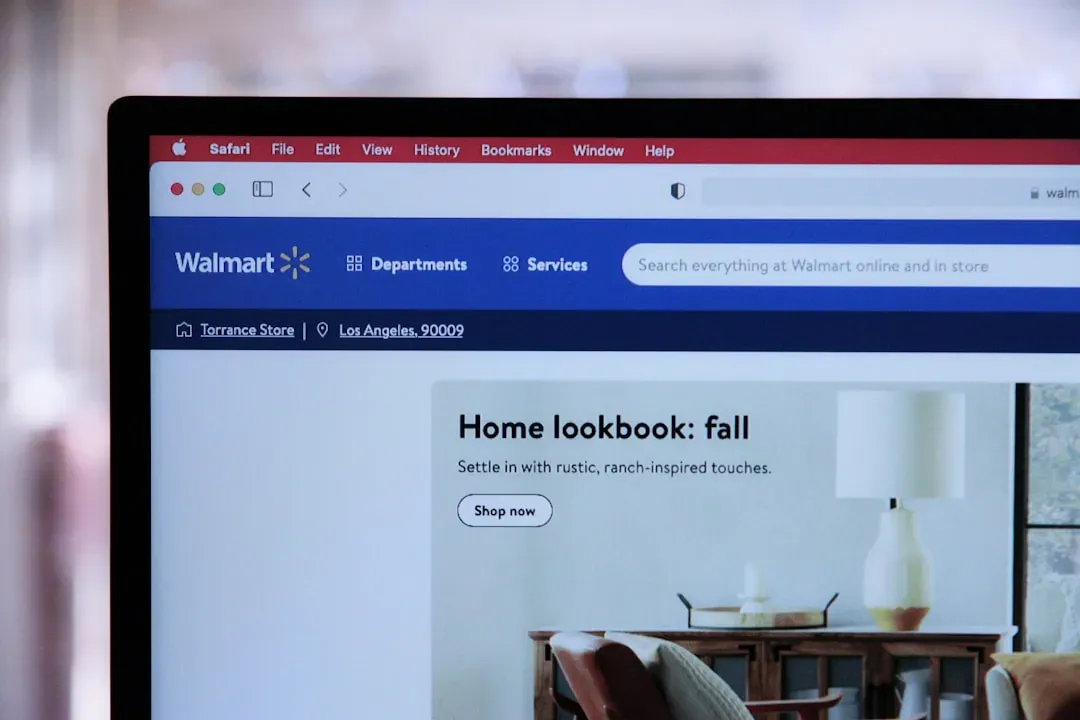
Walmart strips self-checkout from high-theft locations. A South Philadelphia store ditched them recently for more cashier lanes. Officials cite better service and local needs.[1]
Over a dozen stores lost kiosks in the past year. Theft drops sharply after changes. The chain tests what works best per community.[2][3]
Target Limits Checkout Options
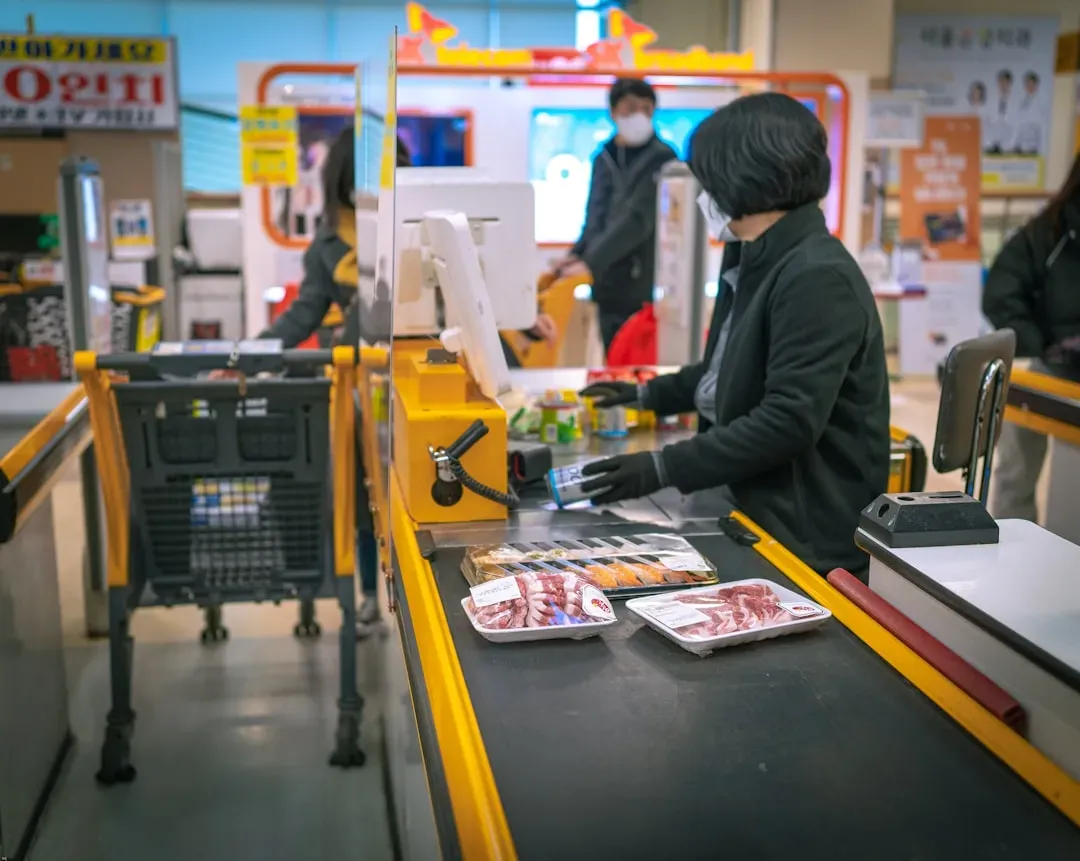
Target curbs self-checkout use with item caps. Shoppers with over ten items head to manned lanes. This eases lines but irks some with full carts.[4]
Stores adjust based on traffic and issues. Broader pullbacks follow theft trends. Human oversight returns to key spots.[1]
Costco’s Tech Pivot
Costco rolls out scan-and-go over full self-checkout. Staff scan carts upfront, members pay quick at registers. Self-kiosks stay but play second fiddle.[1]
This hybrid cuts errors and speeds members through. No full kiosk wipeout planned yet. Focus shifts to reliable flow.[5]
Theft Drives the Change
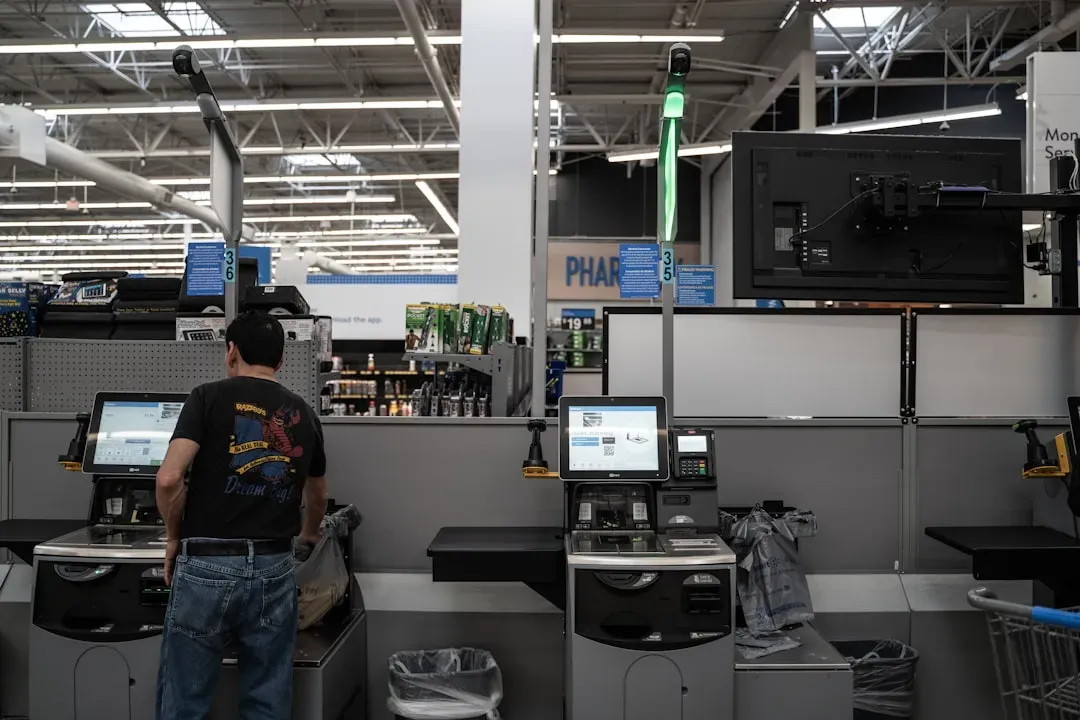
Shrink rates soar at unmanned stations. Nearly seven in ten users think kiosks aid stealing. Organized groups exploit weak spots.[1]
One in four admits skipping scans on purpose. Stores lose big yearly. Cashiers spot trouble fast.[2]
Customer Gripes Mount
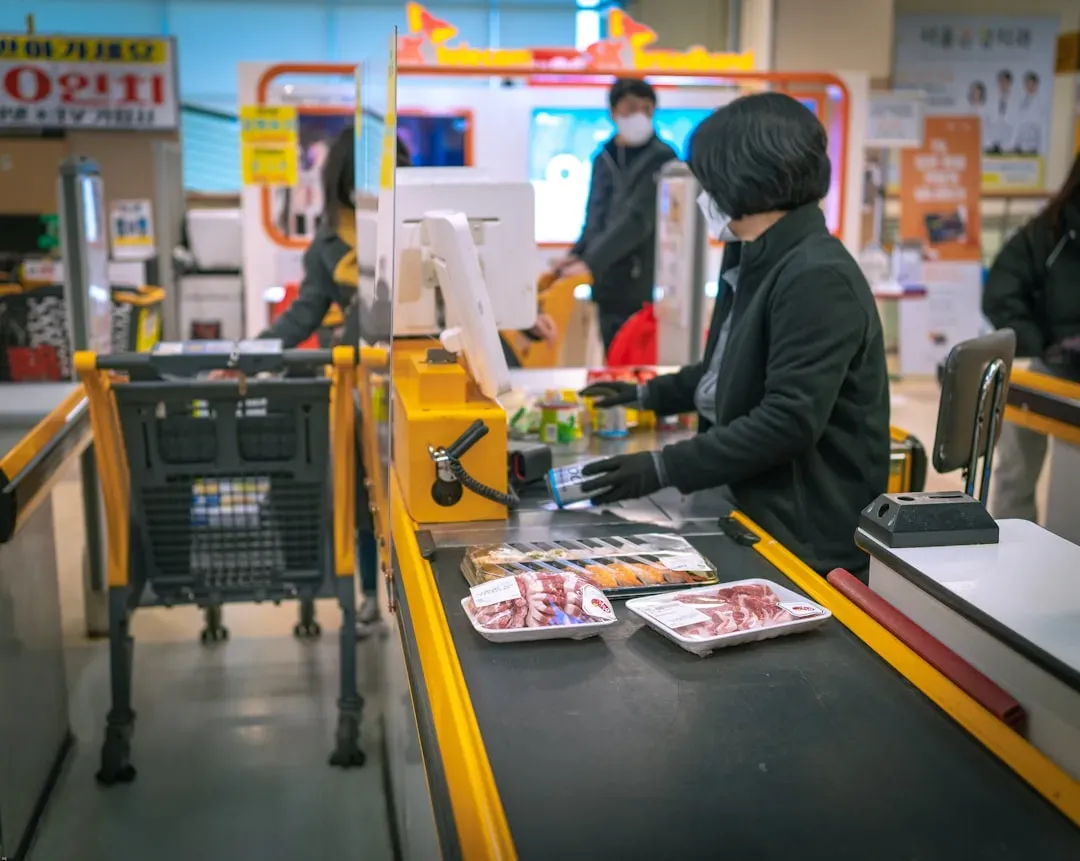
Glitches frustrate everyone from produce scans to payment hangs. Long waits pile up without help nearby. Many prefer a quick human scan.[1]
Feedback shapes store tweaks. Shorter lines emerge post-change. Service feels personal again.[3]
State Laws Tighten Rules
California cities like Long Beach mandate staffed lanes alongside kiosks. Ohio and others eye 15-item limits. Retailers adapt early.[6]
Bills demand one worker per few machines. Alcohol bans at self-checkout loom. Compliance pushes hardware cuts.[1]
Philadelphia’s Quick Shift
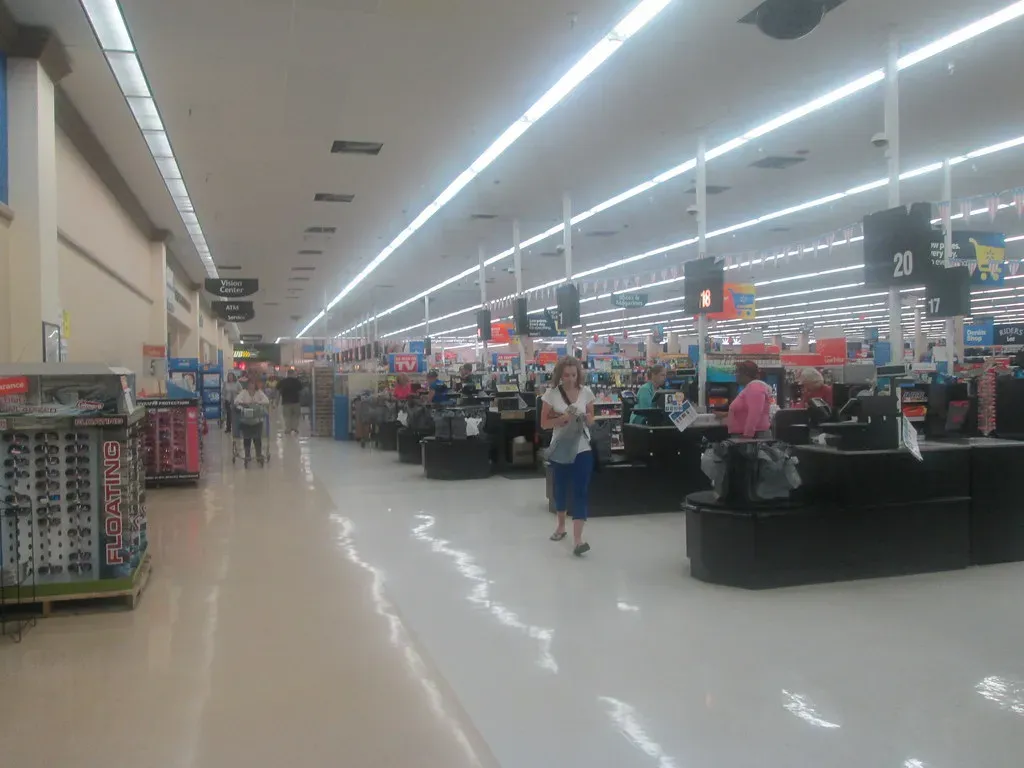
All Walmart spots there cut kiosks for cashiers. March changes hit south side stores first. Service boosts follow.[3]
Five locations now prioritize manned checkouts. Theft and patterns guide picks. Customers welcome the ease.[1]
Broader Retail Rollback
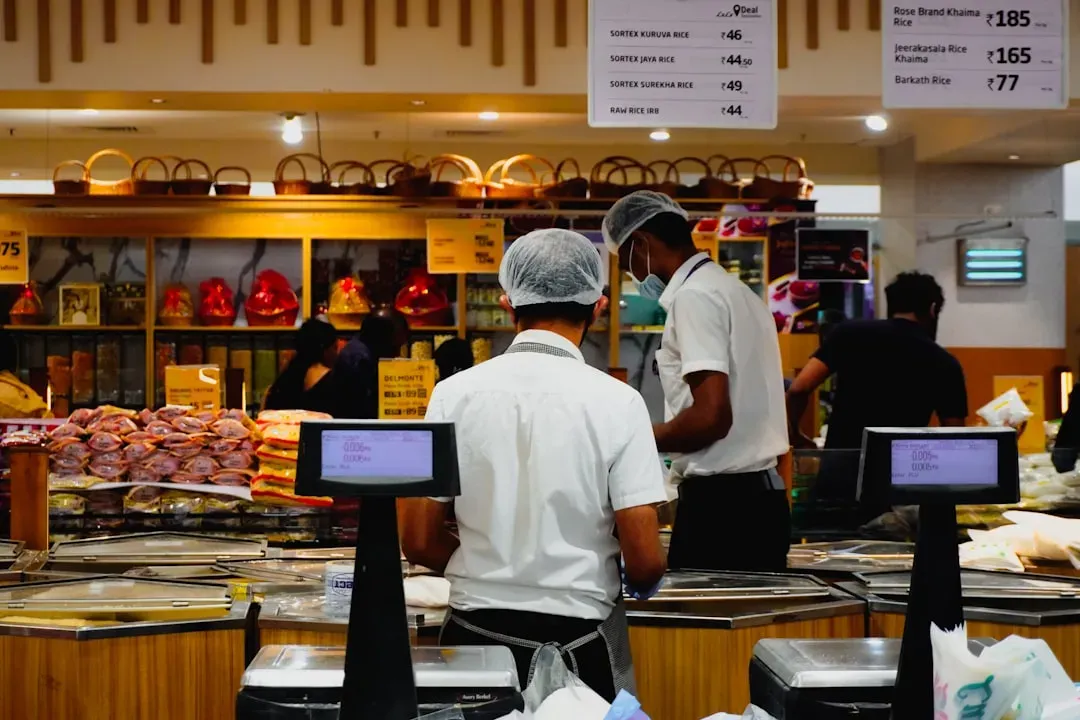
Dollar General yanked kiosks from 12,000 stores back in 2024. Five Below phases most out too. Trend spreads wide.[1]
Sam’s Club swaps for app scans. Majors watch and mirror. Human touch regains ground.[1]
Expert Views on Shrink
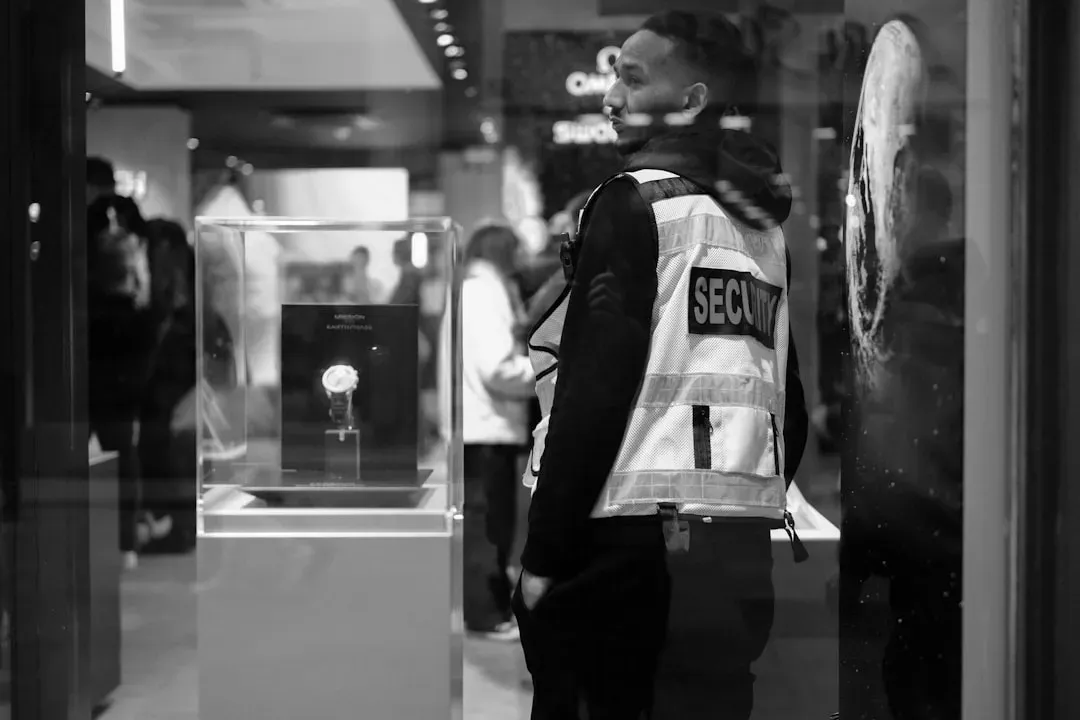
Analysts link removals to theft reviews. High-shrink stores go manned first. Savings offset labor costs.[1]
Police calls drop post-kiosk. AI aids but can’t replace eyes. Balance tips toward staff.[2]
Future Checkout Mix

Hybrids blend tech and people. Full self-checkout fades in risky zones. Speed meets security.[5]
Stores test per market. Regulations shape the path. Shoppers get reliable lanes back.[6]
What This Means for Shoppers
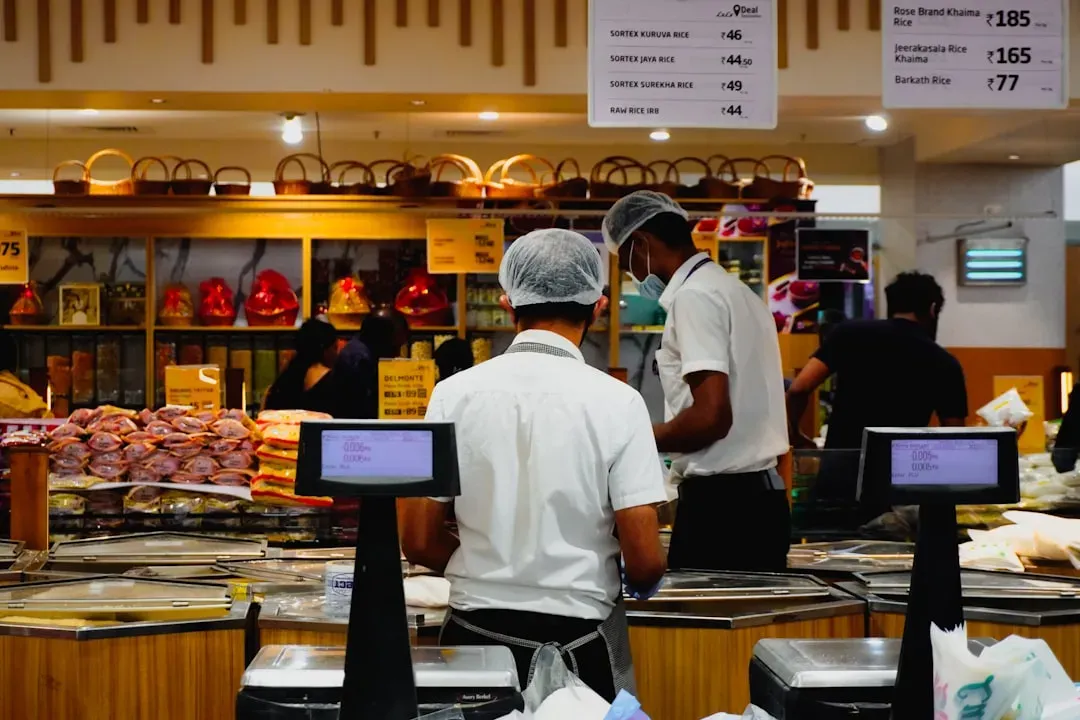
Expect manned lanes at busier times. Item limits stay in some spots. Theft curbs help prices hold.[1]
Service warms up interactions. Lines move with practice. The old way proves its worth still.