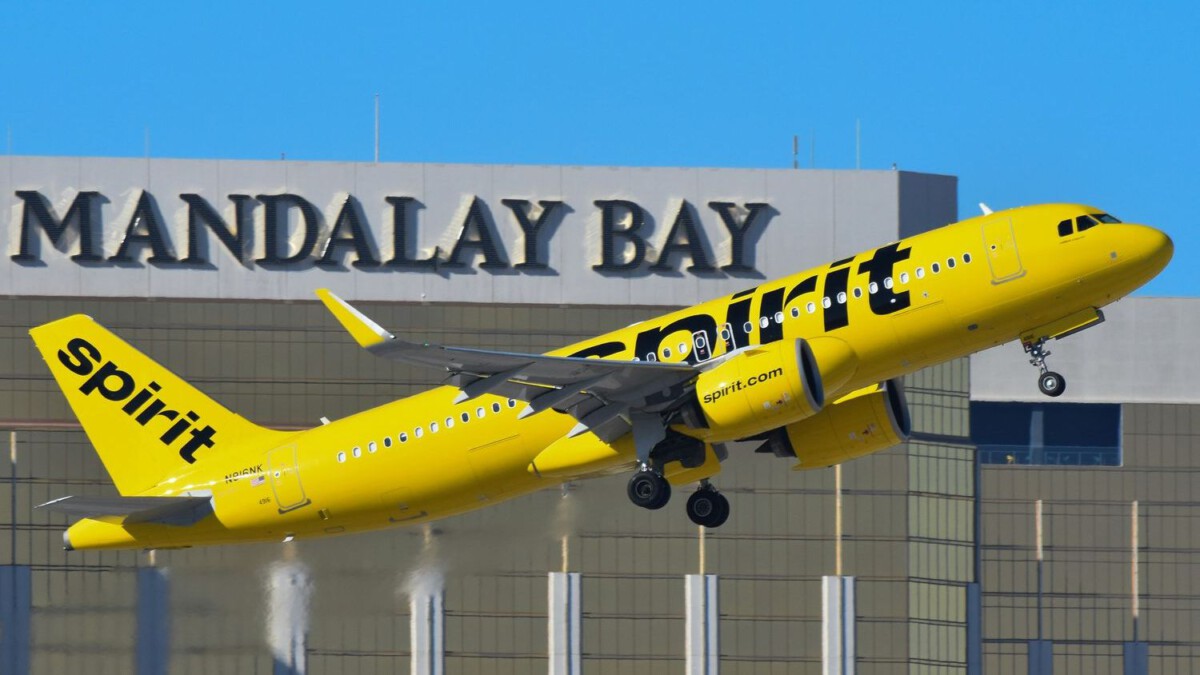
Spirit Airlines shutting down after failed effort at government rescue deal – Image for illustrative purposes only (Image credits: Unsplash)
Spirit Airlines, the prominent budget carrier that redefined affordable air travel for millions of Americans, announced on May 2, 2026, that it had begun an orderly wind-down of operations effective immediately.[1][2] The decision followed the collapse of talks for a $500 million bailout from the Trump administration, leaving passengers with canceled flights and no recourse for upcoming trips. This abrupt shutdown after more than three decades in business disrupts plans for cost-conscious families and frequent flyers who relied on its low fares.
The Failed Push for a Government Lifeline
The Trump administration had engaged in advanced negotiations with Spirit Airlines to provide up to $500 million in emergency funding, a move that would have granted the government a significant 90 percent stake in the company.[3][4] President Donald Trump personally pushed for the deal, even offering a final proposal on May 1, but disagreements with bondholders and creditors derailed the effort.[4] Transportation Secretary Sean Duffy later explained that while the administration explored every option, a viable agreement proved elusive due to creditor resistance.
Spirit’s cash reserves had dwindled rapidly in recent days, forcing the carrier’s board to convene without reaching a rescue consensus.[5] The airline expressed profound regret in its public statement, noting external pressures like surging jet fuel prices tied to geopolitical tensions had exacerbated its financial woes. Without the bailout, the budget airline had no path forward.
Stranded Passengers and Airport Disruptions
Travelers arrived at airports across the country only to find terminals empty of Spirit gates, with digital signs proclaiming the carrier had ceased global operations.[6] Thousands of scheduled flights vanished overnight, stranding passengers from New York to Florida and beyond. Reports emerged of confused crowds at hubs like Detroit Metro and Dania Beach headquarters, where the airline’s Florida roots run deep.
The sudden halt affected not just domestic routes but international ones as well, upending vacations, family visits, and business trips for everyday Americans who chose Spirit for its rock-bottom prices. Airport authorities scrambled to assist, but with all tickets now void, rebooking became a nightmare amid limited seats on rival airlines.
Years of Mounting Challenges Culminate in Closure
Spirit Airlines had battled headwinds for years, including multiple bankruptcy filings since 2024 and persistent debt burdens.[1] Skyrocketing fuel costs, linked to the Iran conflict, delivered a final blow to the low-margin model that depended on packed planes and ancillary fees. The carrier’s innovative approach to ultra-low-cost flying could not withstand prolonged downtime from engine issues and a failed merger attempt.
Once a disruptor that forced competitors to lower fares, Spirit’s decline highlighted vulnerabilities in the budget sector. Its shutdown removes a key player that served price-sensitive markets, particularly in the Southeast and Midwest.
What This Means for Air Travel and Consumers
The absence of Spirit will likely drive up fares on popular budget routes, as remaining carriers absorb excess demand with fewer seats available.[7] Industry observers predict short-term price hikes of 10 to 20 percent on affected paths, squeezing household budgets already strained by inflation. Competitors like Frontier may expand, but capacity constraints could persist for months.
Employees numbering in the thousands now face layoffs, with the wind-down process set to liquidate assets amid ongoing bankruptcy proceedings. This marks a rare single-carrier government intervention attempt in recent aviation history, underscoring how even aggressive rescue bids can falter.
Key Steps for Impacted Travelers:
- Do not travel to the airport; all flights are grounded.
- Monitor your email and Spirit’s website for refund instructions, though processing may take weeks.
- Contact credit card issuers for charge disputes on recent purchases.
- Check travel insurance policies for coverage on airline insolvencies.
- Rebook promptly with alternatives, as seats fill quickly on busy routes.
As the dust settles from Spirit Airlines’ unexpected end, budget travelers must adapt to a pricier landscape where cheap seats come at a premium. The failed $500 million deal with the Trump administration serves as a stark reminder of the fragility in America’s aviation sector, prompting questions about future support for struggling carriers and the true cost of low-fare flying.