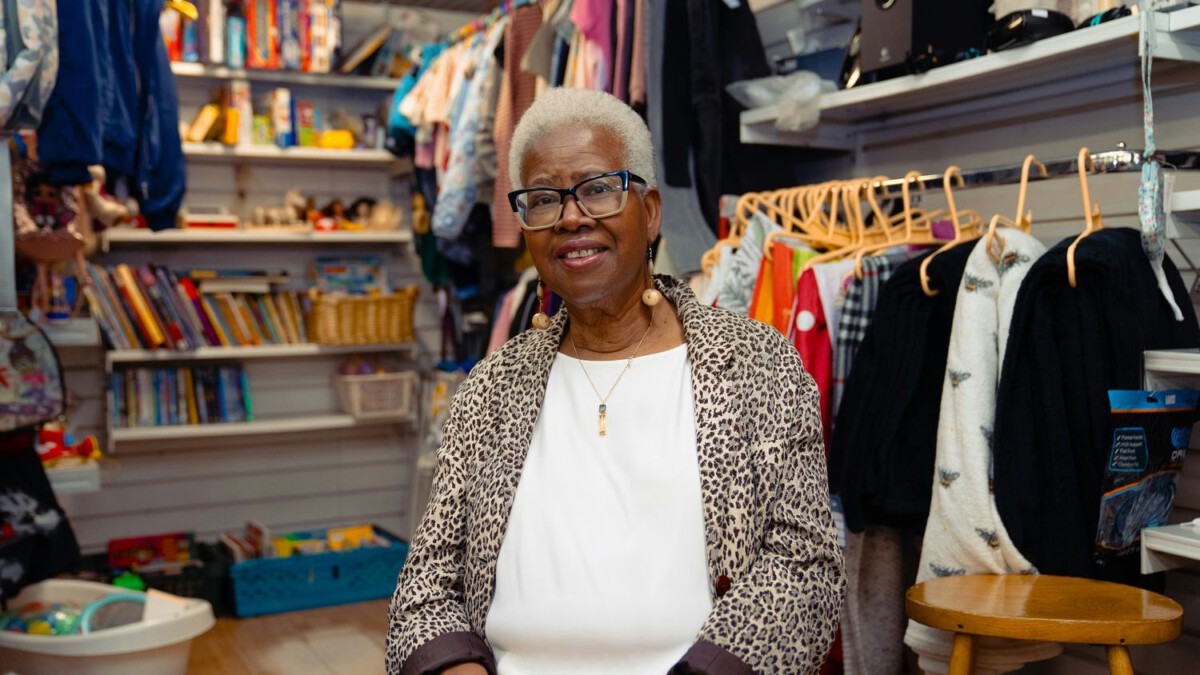
Local Charities Helping Seniors in California – Image for illustrative purposes only (Image credits: Unsplash)
California — Older adults across the nation’s most populous state often face urgent needs like food shortages, unsafe homes, or medical rides, yet many overlook the network of local charities ready to assist. These groups, ranging from food banks to volunteer repair teams, provide targeted support that government programs sometimes cannot match in speed or flexibility. Starting with a single referral service can unlock options tailored to a senior’s ZIP code, income, and specific crisis.
Quickest Entry Points for Urgent Assistance
Time-sensitive problems demand fast action, and dialing 211 emerges as the most efficient first step for California residents. This statewide referral line connects callers to nearby food pantries, utility aid, housing support, or disaster relief based on their location. Operators guide users to nonprofits with current openings, sparing seniors the frustration of dead-end calls.
Expect variations by region: a pantry in Los Angeles might deliver senior boxes weekly, while rural areas prioritize different schedules. For immediate food, rent notices, doctor rides, or safety hazards, workers advise on documentation and availability. Reality sets in quickly, though — funds deplete early each month, and rides often require days of advance booking.
Food Banks and Pantries: Reliable First Aid for Hunger
Food assistance stands out as the speediest charity offering in California, with the California Association of Food Banks serving as a key directory for local pantries and senior-specific distributions. Programs deliver boxes suited for dietary needs, such as low-salt or diabetic-friendly options, and many extend to homebound individuals via Meals on Wheels affiliates. In densely populated counties like Los Angeles, major food banks coordinate partner sites for pickups or deliveries.
Eligibility typically favors low-income households, older adults, or those with disabilities facing short-term gaps. Callers should provide their ZIP code, household details, and mobility status to check service areas and hours. While groceries flow steadily, these outlets rarely cover rent; complementary public benefits like CalFresh fill broader needs.
Faith Groups and Basic Needs Nonprofits Tackle Bills and Essentials
Churches and faith-based organizations step in for one-time crises, distributing gas cards, clothing, or direct bill payments to avert shutoffs and evictions. Catholic Charities operates regional offices offering case management alongside food and referrals, while St. Vincent de Paul relies on parish volunteers for targeted aid in areas like Southern California and the Bay Area. The Salvation Army similarly maintains local funds for utilities and mortgages, fluctuating with donations.
These groups prioritize neighbors in their immediate service zones, often requiring proof of crisis like a shut-off notice. Intake lines, distinct from general church contacts, streamline requests. Assistance remains limited — one-time only, paid straight to vendors — prompting families to explore multiple avenues early.
| Type of Group | Common Support | Key Contact Tip |
|---|---|---|
| Church Charity | Food, bills, clothing | Ask for benevolence or outreach team |
| Food Bank | Groceries, deliveries | Specify ZIP and dietary needs |
| Legal Aid | Evictions, scams | Mention notice dates upfront |
| Home Repair Nonprofit | Ramps, grab bars | Confirm homeowner status |
Rides, Repairs, Caregivers, and Legal Clinics: Targeted Lifelines
Volunteer transportation fills gaps for medical trips and errands, with programs like JFS On the Go in San Diego or Seniors First in Placer County mandating reservations and assessing mobility aids. Home safety nonprofits, such as Rebuilding Together affiliates, address ramps and railings for qualifying owners, often after inspections. Caregiver centers across all counties provide counseling, respite referrals, and planning for conditions like dementia.
Legal aid handles evictions, elder abuse, and benefits disputes through county-specific outlets like LawHelpCA, while low-cost clinics offer primary care via finders like NAFC. Community-focused groups cater to rural, Tribal, immigrant, or LGBTQ+ seniors, matching language and cultural needs. Waitlists and screenings apply universally, underscoring the value of precise inquiries.
- Prepare ID, address proof, income statements, and crisis notices before calling.
- Use scripts: For rides, note appointment details; for bills, state amounts and deadlines.
- If denied, request referrals to ZIP-matched alternatives.
Navigating Denials and Building a Plan
Rejections stem from exhausted funds, geographic limits, or mismatched needs, but persistence pays off through follow-ups or partner handoffs. Charities excel at immediate boosts like meals or visits but falter on ongoing debts or major overhauls. Families benefit from prioritizing one urgent issue per call, avoiding vague pleas.
California’s diverse counties demand localized strategies, blending charity with broader resources for sustainability. Seniors and caregivers who methodically tap these networks often secure stability amid rising costs. In a state with vast senior populations, these quiet helpers remain vital threads in the safety net.


![I Googled my own name and a corporate clinic I’ve never worked at appeared [PODCAST]](https://everyday-states.com/wp-content/uploads/2026/05/1777788279277_photo-1758691462860-b1b9532c7394.jpeg)