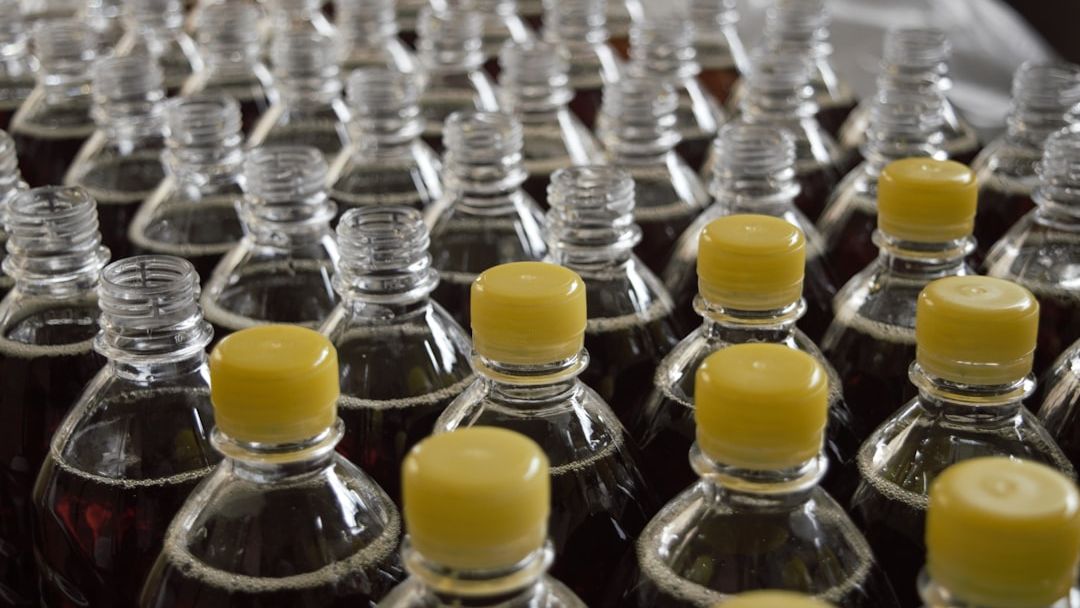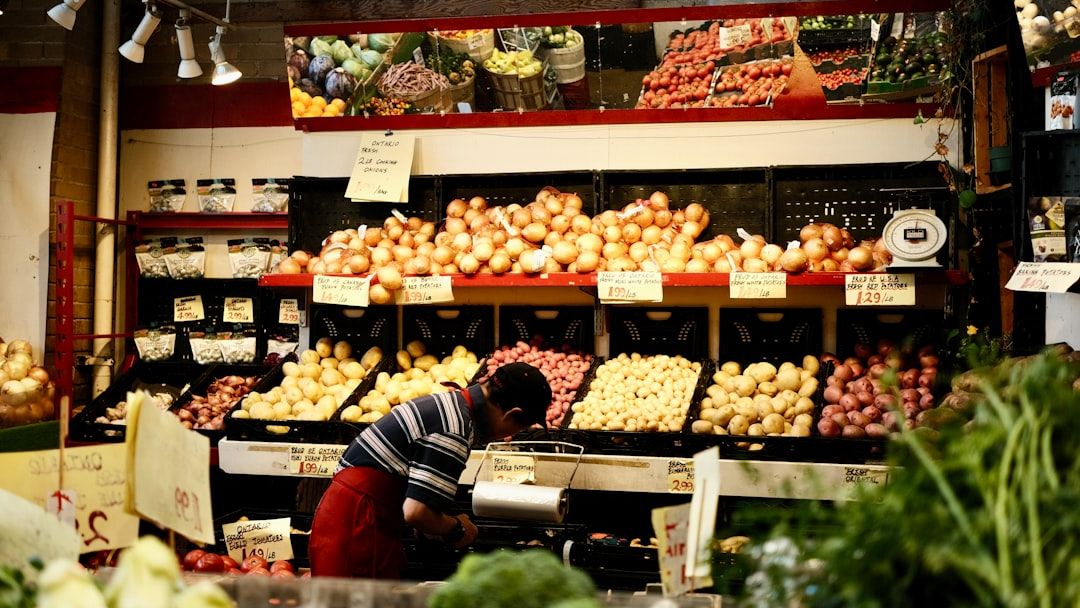

Grocery prices have stabilized somewhat, yet families still feel the pinch at checkout. Even as overall inflation cools, food costs keep climbing slowly through 2026. The latest data shows food prices up 2.7 percent from March 2025, with forecasts pointing to another 2.5 to 3 percent rise this year.[1][2]
This trend leaves many wondering why relief feels so distant. Factors from global events to store tactics play a role. Understanding them helps navigate the aisles smarter.
Reason 1: Inflation Stays Sticky Above Historic Norms
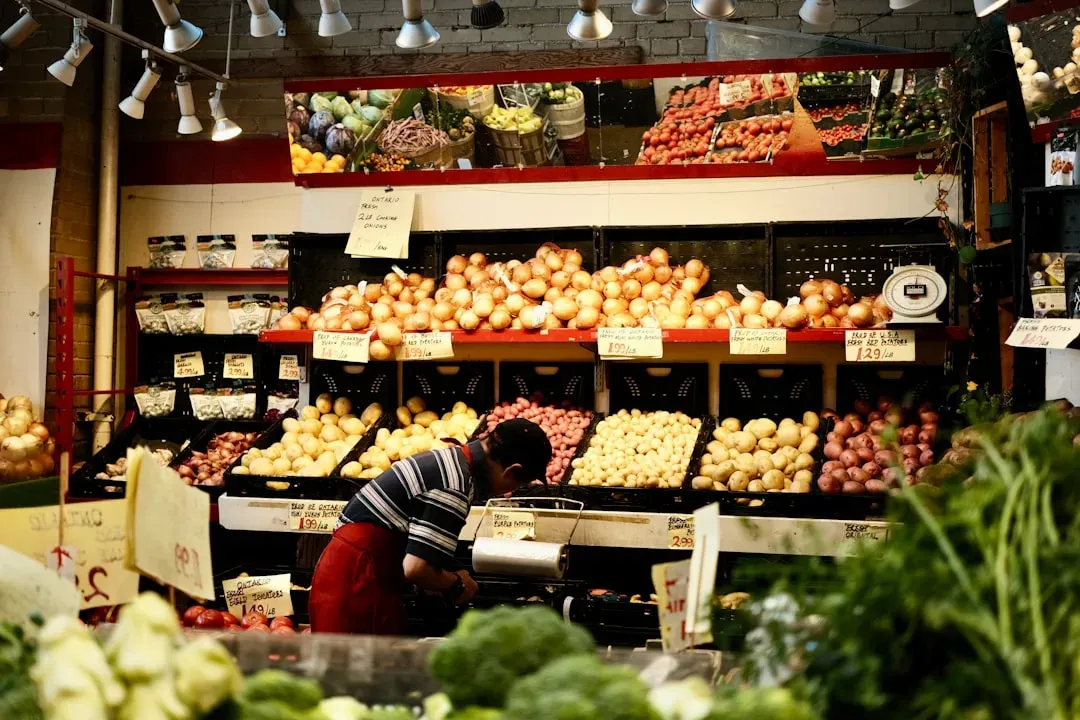
Food inflation has slowed but hovers around 2.7 percent year-over-year as of March 2026. The USDA predicts grocery prices, or food at home, will increase by about 2.5 percent this year, below peaks but well above the long-term average of 2.6 percent.[3][4] Prices rarely fall back fully after surges like those from the pandemic. Consumers now face a new normal where bills remain elevated.
Supply chains adjusted slowly, locking in higher baseline costs. This stickiness means your cart totals won’t revert to 2020 levels anytime soon. Families of four spend roughly $741 more annually for the same items compared to pre-2020.[5]
Reason 2: Lingering Supply Chain Bottlenecks
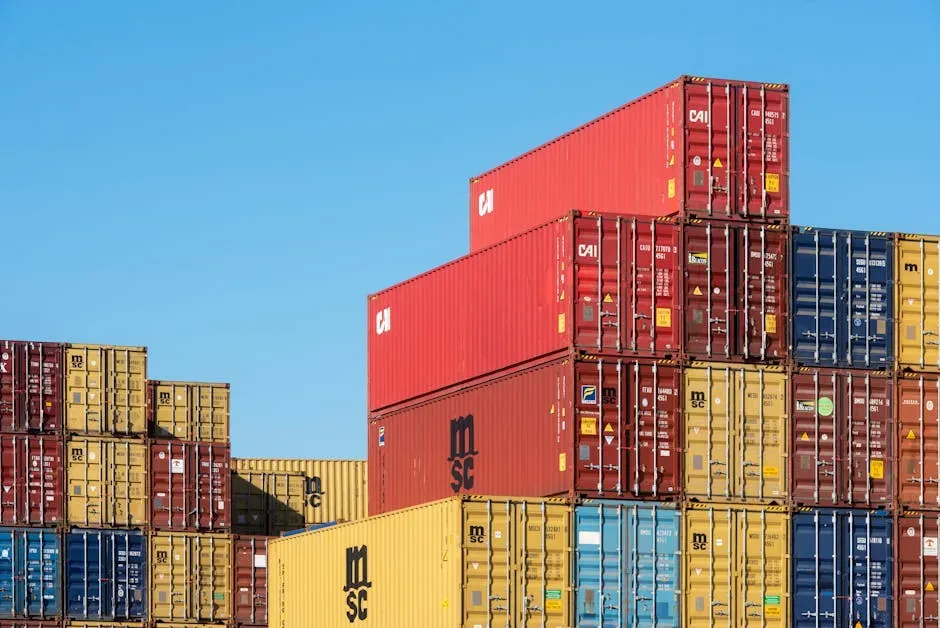
Disruptions from the pandemic and events like the Ukraine war continue to ripple through 2026. Ports face backlogs, and transportation costs stay high, pushing up prices for imported goods and domestic freight alike.[6] These issues prevent the smooth flow needed for price drops. Everyday staples like bread and dairy bear the brunt.
Even as some links strengthen, vulnerabilities persist. Climate events add unpredictability to harvests. Shoppers see this in inconsistent availability and steady shelf prices.
Reason 3: Surging Input Costs for Energy and Fertilizer
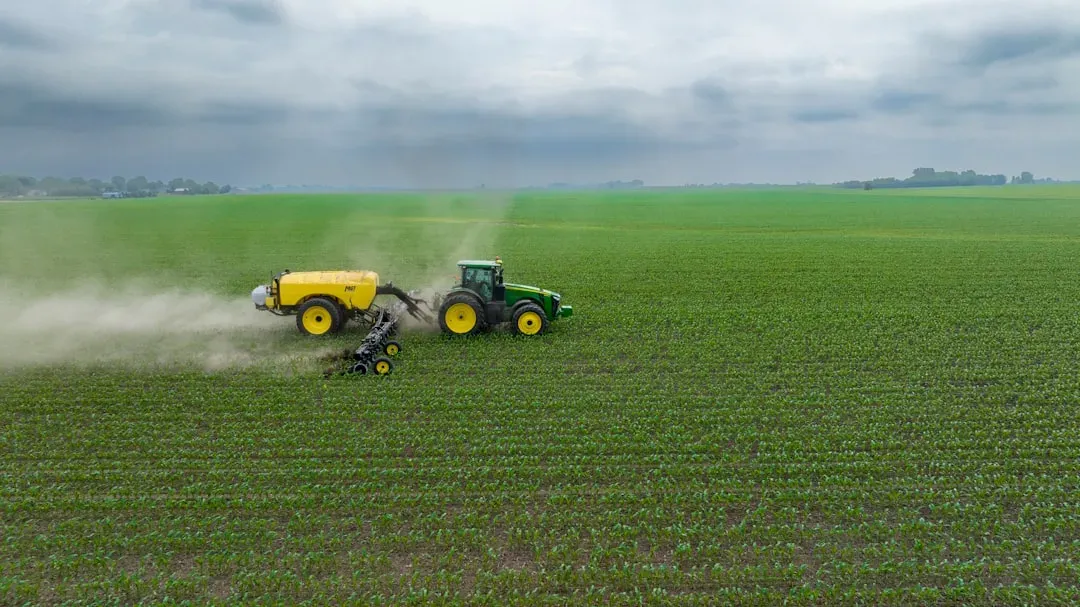
Fertilizer shortages and energy spikes drive up farming expenses, which filter straight to grocery prices. Geopolitical tensions, including Middle East conflicts, keep oil volatile and costs elevated.[7][8] Feed for livestock follows suit, hitting meat and dairy hard. Producers pass these on without much cushion.
USDA notes these pressures in its outlook, with no quick reversal in sight. Electricity for processing adds another layer. Your bill reflects these upstream realities.
Reason 4: Shrinkflation Sneaks in Smaller Packages
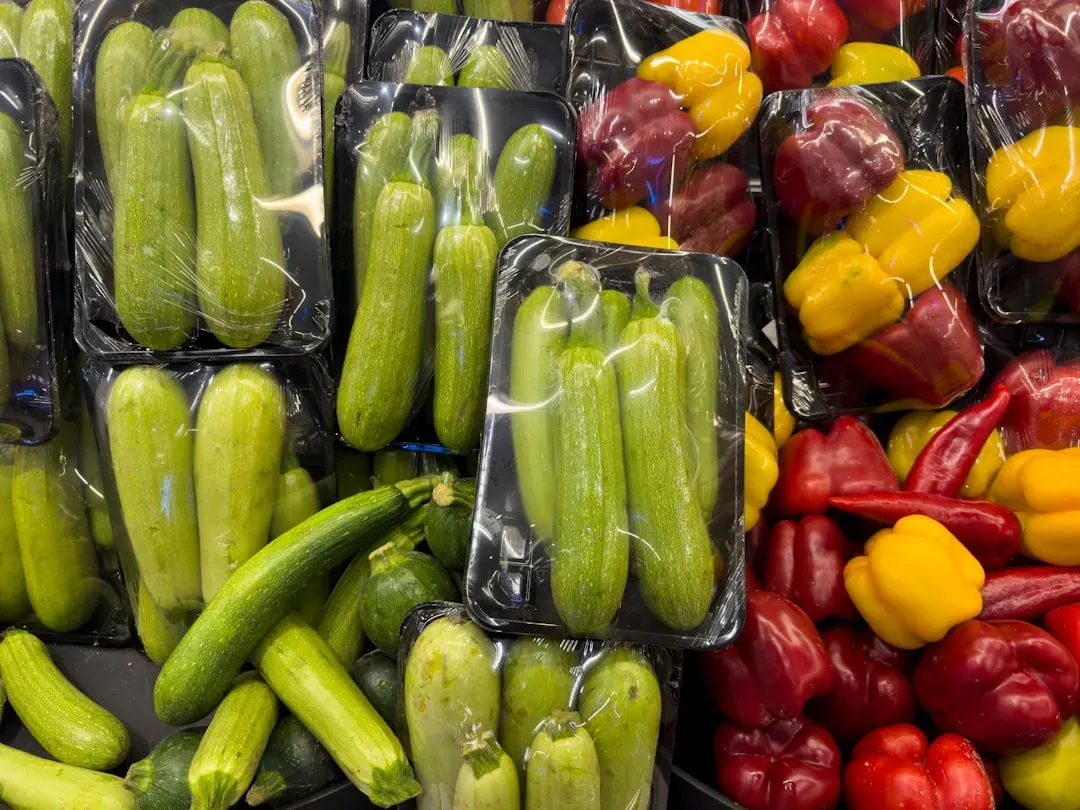
Packages shrink while prices hold steady, a tactic called shrinkflation that’s widespread in 2026. Ice cream pints, for instance, cost more per ounce as sizes dwindle.[5] Brands avoid outright hikes to dodge backlash, but you buy less product. This keeps nominal prices flat while real costs rise.
Studies show families pay hundreds extra yearly for identical grocery baskets due to this. Cereals and snacks often lead the trend. Check labels closely to spot it.
Reason 5: Labor Shortages Push Up Wages Across the Board
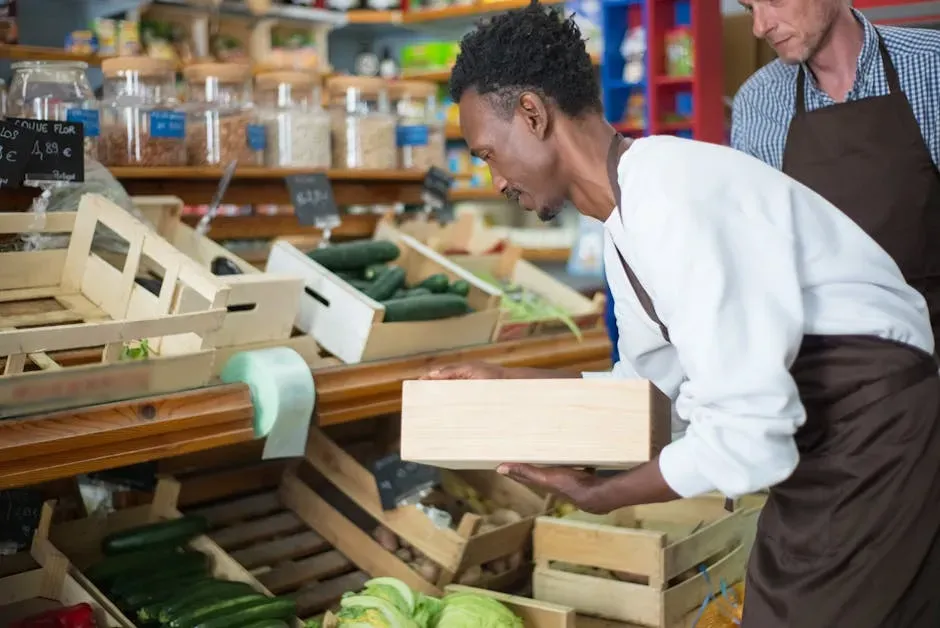
Grocery workers demand higher pay amid shortages, with wages up significantly since 2020. Stores absorb or pass on these costs, keeping prices firm.[9] Farmers and truckers face similar pressures. The entire chain feels the squeeze.
Tariffs and policy shifts add to wage inflation risks. Overall, labor accounts for a big slice of why bills won’t budge. Expect this to linger as hiring stays tight.
The One Store That’s Cheating: Kroger’s Sale Tag Tricks
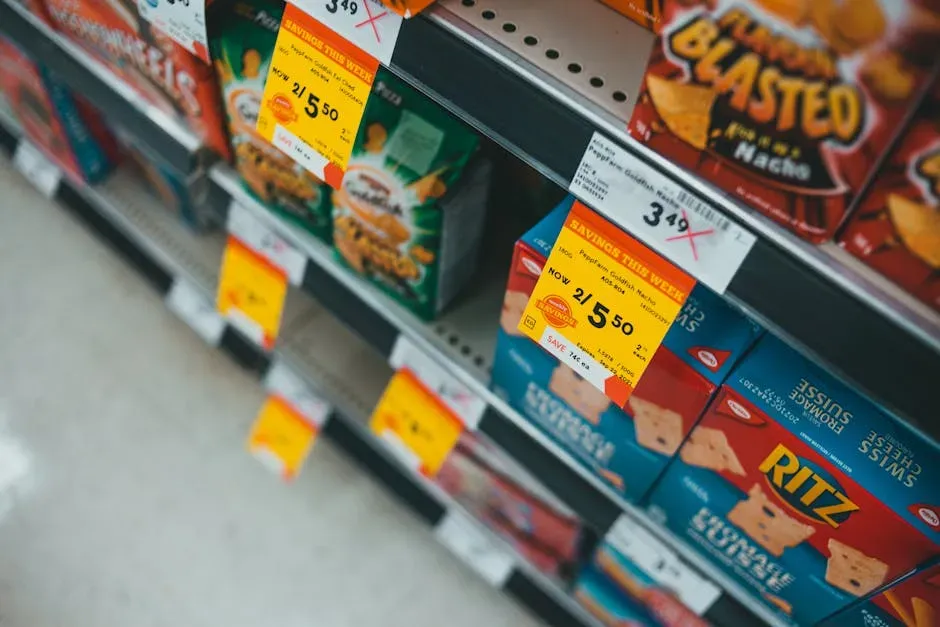
Kroger faces accusations of overcharging via expired sale tags, ringing up full prices on “discounted” items. Investigations in multiple states uncovered this practice, duping shoppers on produce and meats.[10] The chain responded with policy changes, but trust took a hit. Dynamic pricing experiments worsen perceptions.
Lawsuits and probes highlight how such tactics inflate bills quietly. Compare receipts and scan shelves for outdated tags. This edges out competitors unfairly.
Conclusion
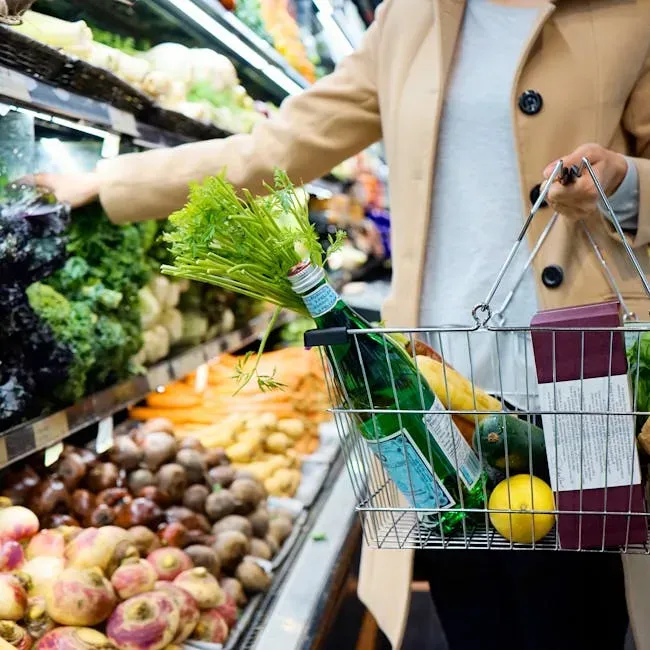
These forces combine to keep grocery bills high, even in a cooling economy. Smart shopping like buying in bulk or seasonal produce offers some relief. Stay vigilant on tactics that pad costs unnecessarily.
Prices may ease gradually, but the era of cheap groceries seems past. Track USDA updates for shifts. Your next trip can save if you know where to look.