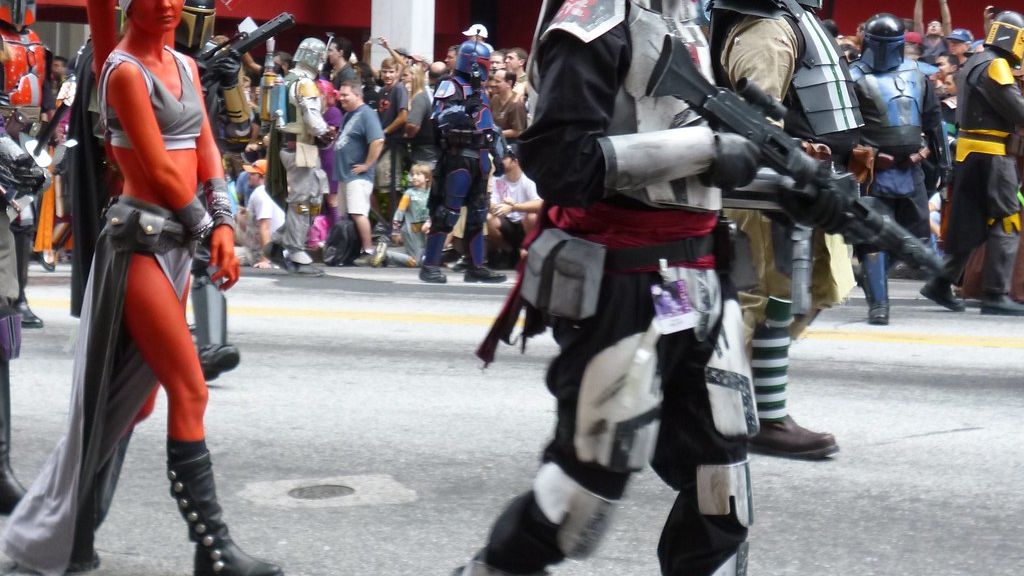
Baby Blaster Bushido: The Mandalorians Return To The Japanese Soul Of Star Wars – Image for illustrative purposes only (Image credits: Flickr)
A lone warrior traverses harsh landscapes with a young child in tow, their bond forged not through words but through shared peril and quiet resolve. This setup powered The Mandalorian from its debut, captivating audiences with its episodic rhythm of survival and subtle emotion. Yet this narrative thread traces back decades to Japanese tales of disgraced swordsmen and their heirs, revealing how deeply rooted Star Wars remains in Eastern storytelling traditions.
Lone Wolf’s Shadow Over Din Djarin and Grogu
The parallels between The Mandalorian and the Lone Wolf and Cub manga series strike at the heart of both stories. Ogami Itto, a fallen executioner, pushes his infant son Daigoro in a wooden cart through feudal Japan, facing assassins and moral quandaries at every turn. Similarly, Din Djarin shields Grogu amid bounty hunts and interstellar threats, their relationship unfolding through actions rather than declarations.
Filmmakers adapted Lone Wolf and Cub into a series of 1970s movies starting with Sword of Vengeance, where stark violence contrasted with moments of stillness. Directors relied on visual storytelling to convey the unspoken father-son tie, much as The Mandalorian uses helmeted glances and protective gestures. This restraint elevates the dynamic beyond mere companionship, turning the child into a symbol of redemption and vulnerability for the warrior.
Kurosawa’s Blueprint for a Galaxy Far Away
Akira Kurosawa shaped George Lucas’s vision from the outset, providing structural and stylistic foundations for Star Wars. The Hidden Fortress from 1958 framed epic battles through lowly observers – two bickering peasants whose perspective Lucas mirrored with R2-D2 and C-3PO. This low-angle entry into grand conflicts became a hallmark of the franchise.
Kurosawa’s films like Seven Samurai and Yojimbo influenced character archetypes and pacing. Warriors weighed their strikes with deliberate calm, infusing combat with philosophical weight that echoed in the Jedi’s disciplined code. Yoda embodied traits from figures such as the hunter in Dersu Uzala and the leader Shimada Kambei, from his earthy wisdom to thoughtful gestures. Lucas even pursued Toshiro Mifune, Kurosawa’s star, for Obi-Wan Kenobi before casting Alec Guinness.
Ronin Echoes Across the Stars
Beyond surface-level space western tropes of shootouts and frontiers, Star Wars pulses with the ronin ethos – a masterless samurai navigating a fractured world guided by personal honor. Characters like Obi-Wan Kenobi in exile, Ahsoka Tano forging her path, and Din Djarin upholding the Mandalorian creed all fit this mold. Loyalty proves fluid, survival demands compromise, and codes endure amid chaos.
The Mandalorian amplifies this tradition most directly. Din’s consistency amid bounty hunter life contrasts heroic bravado, prioritizing creed over glory. Episodic clashes test his principles, blending tenderness with brutality in a manner Japanese cinema mastered long ago. This worldview distinguishes the series, grounding its action in introspective depth.
| Element | Kurosawa / Lone Wolf Influence | Star Wars Parallel |
|---|---|---|
| Narrative Viewpoint | Lowly peasants in grand wars | Droids amid galactic conflict |
| Warrior Archetype | Ronin with measured violence | Jedi and Mandalorians’ restraint |
| Core Bond | Warrior and child through gestures | Din Djarin and Grogu’s silent tie |
A Timely Return to Roots
The Mandalorian emerged during a viewing shift post-pandemic, when audiences craved intimate tales over sprawling spectacles. The series scaled back to character-driven episodes, realigning Star Wars with its Japanese-inspired restraint and rhythm. Fatigue from franchise overload made this pivot resonate, feeling like a homecoming rather than novelty.
Star Wars has always hinged on elemental forces: a warrior’s code, internal strife, and human connections amid vastness. As The Mandalorian and Grogu venture into larger cinematic arenas, preserving this essence will define their trajectory. The franchise’s strength lies in honoring origins that transcend cultures, ensuring the ronin spirit endures in the stars.