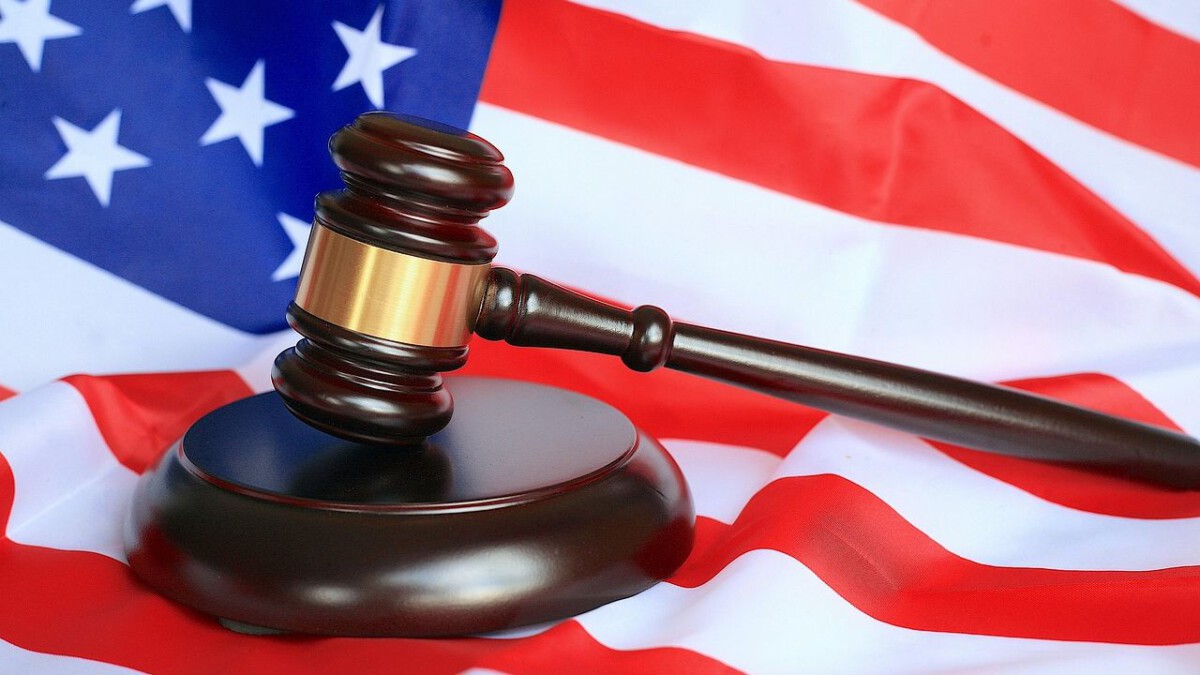
World Liberty Financial hits back at crypto billionaire Justin Sun with a defamation suit, claim he was betting against token – Image for illustrative purposes only (Image credits: Pixabay)
Northern District of California – A high-stakes dispute in the cryptocurrency world intensified this week as World Liberty Financial, a DeFi platform tied to President Donald Trump and his family, publicly accused major backer Justin Sun of misconduct, including short-selling its token.[1][2] The TRON blockchain founder, who poured tens of millions into the project, responded by filing a federal lawsuit claiming his holdings were unjustly frozen. Tensions had simmered for months before erupting into court filings and sharp social media exchanges.
The Roots of a Lucrative Partnership Turned Sour
World Liberty Financial launched amid post-election enthusiasm for crypto in late 2024, positioning itself as a decentralized finance hub with strong Trump family backing. Co-founders included Zach Witkoff as CEO and ties to Eric Trump, who once praised Sun publicly on X.[1] The project marketed its WLFI governance tokens as empowering holders through voting rights, with promises of future transferability and no centralized interference.
Sun emerged as an early anchor investor. He committed $30 million in November 2024 for 2 billion tokens via his entities Blue Anthem and Black Anthem Limited, followed by $15 million in January 2025 for another billion, plus 1 billion advisor tokens, totaling about $45 million for roughly 4 billion WLFI tokens.[3][4] His involvement helped boost fundraising to around $550 million, a sharp rise from prior levels.
Relations appeared cordial initially. Sun described WLFI as an excellent project, and the firm welcomed his support. However, cracks appeared as tokens unlocked for trading on September 1, 2025, triggering a 40% price plunge that set off mutual recriminations.[1]
Sun Launches Lawsuit Over Frozen Assets and Hidden Controls
On April 21, 2026, Sun filed suit in the U.S. District Court for the Northern District of California against World Liberty Financial LLC, alleging breaches of contract, fraud, conversion, and unjust enrichment under Delaware law.[3][1] He claimed the firm secretly upgraded the WLFI smart contract in August and November 2025 without governance approval, embedding a backdoor “blacklisting function” to freeze or reallocate tokens at will.
Sun detailed how 600 million of his unlocked tokens were frozen on September 1, 2025, preventing sales worth around $276 million at the time, with the rest held in vesting contracts vulnerable to seizure. He accused WLFI executives of extortion by threatening to burn his tokens or report him to U.S. authorities over alleged KYC issues unless he committed to further investments, such as minting $200 million in WLFI’s USD1 stablecoin on his TRON network.[2][3]
The complaint sought injunctive relief to unfreeze tokens, declaratory judgments on contract breaches, and damages exceeding hundreds of millions, citing lost value – once topping $1 billion – plus forgone governance rights and yields. Sun emphasized his good-faith efforts to resolve issues privately before litigating.[4]
World Liberty Fires Back with Misconduct Allegations
World Liberty responded swiftly the next day via X posts, dismissing Sun’s claims as a “desperate attempt to deflect attention from Sun’s own misconduct.” CEO Zach Witkoff stated the suit was meritless and vowed to seek dismissal, adding that Sun’s actions necessitated protective measures for users.[1][2] Eric Trump likened the filing to Sun’s infamous $6.2 million purchase of a duct-taped banana artwork, calling it equally ridiculous.
The firm pinned the September 2025 price crash on Sun, alleging he short-sold perpetual futures on a centralized exchange, acted as a straw purchaser violating his agreement, made prohibited transfers to HTX and Binance exchanges, and submitted faulty KYC documents. A September 5, 2025, X post insinuated Sun’s involvement in “misappropriation of other holders’ funds,” a charge Sun labeled false and reputationally damaging.[1][3] WLFI has yet to file a formal court response or countersuit as of late April.
Here are the core accusations leveled by each side:
- Sun vs. WLFI: Secret smart contract backdoors, extortionate threats, fraudulent inducement, defamation via unproven fund misappropriation claims.
- WLFI vs. Sun: Short-selling to crash token price, improper transfers, KYC failures, overall misconduct endangering community.
Broader Echoes in Crypto’s Governance Wars
This clash highlights persistent tensions in DeFi between promised decentralization and real-world controls. WLFI’s bylaws route 75% of token sale revenue to Trump affiliates, fueling questions about governance authenticity.[2] Sun, a vocal Trump supporter who bought into a separate Trump meme coin, insisted his action targeted rogue team members, not the president or administration.[4]
Court records show WLFI agreed temporarily not to burn or dispose of Sun’s tokens pending resolution. The case could expose internal documents on smart contract changes and investment pressures, potentially reshaping trust in high-profile crypto ventures. As filings mount, observers watch whether this feud signals deeper cracks in politically aligned blockchain projects.
The standoff leaves Sun’s tokens sidelined and WLFI defending its safeguards. With billions in disputed value at stake, the courts may soon clarify where investor rights end and project protections begin in crypto’s volatile landscape.