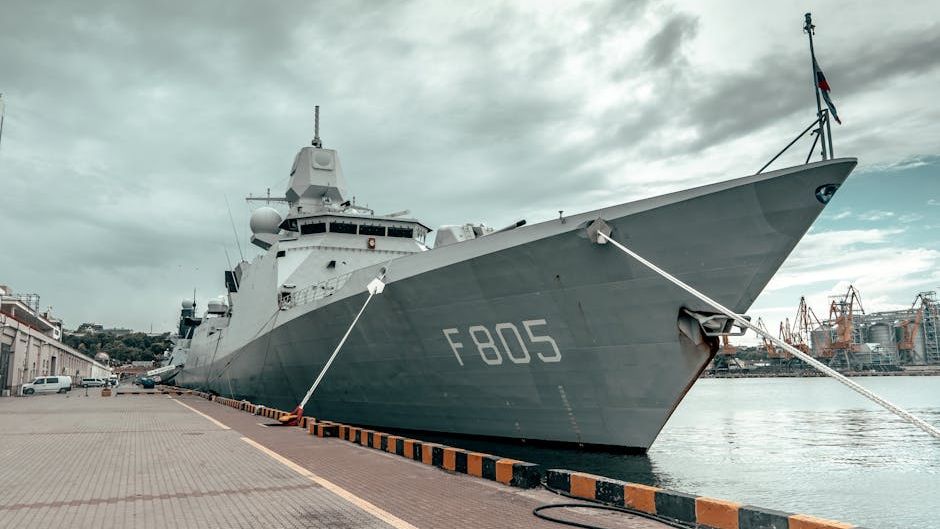
U.S. military rejects claims that Iran struck a U.S. Navy vessel – Image for illustrative purposes only (Image credits: Pexels)
Dubai, United Arab Emirates — The U.S. military dismissed reports from Iranian state media that Tehran launched a successful missile attack on an American warship near the Strait of Hormuz. The incident unfolded amid heightened tensions over control of the vital waterway, where both sides maintain naval blockades.[1][2] Iranian outlets described the strike as a response to warnings ignored by the U.S. vessel, but American officials offered a swift rebuttal.
Iranian Media Reports a Direct Hit
Iranian news agency Fars reported that army forces fired two missiles at a U.S. Navy vessel operating close to Jask port on Monday. The warship allegedly attempted to pass through the Strait of Hormuz despite repeated warnings from Iranian naval units.[1] According to the account, the vessel sustained damage and retreated from the area after the strikes.
Tehran positioned the action as enforcement of its restrictions on the strait. Iranian commanders had declared earlier that day that foreign militaries, especially U.S. forces, faced attack if they approached without authorization. The report emerged shortly after President Donald Trump announced U.S. efforts to restore free passage through the chokepoint.[1]
Swift Denial from U.S. Central Command
U.S. Central Command quickly countered the narrative. In a statement, CENTCOM declared, “No US Navy ships have been struck.” The command emphasized that its forces continued operations in support of Project Freedom, aimed at enforcing a blockade on Iranian ports.[2]
A senior U.S. official also told reporters that no such hit occurred on the vessel attempting to cross the strait. While the denial stopped short of confirming any incoming fire, it aligned with patterns of rejected Iranian assertions in recent weeks. No vessel name or casualty figures surfaced from either side.[3]
Flashpoint in a Broader Naval Confrontation
The Strait of Hormuz has served as a persistent battleground since late February, when U.S. and Israeli forces initiated strikes against Iran. Tehran responded by barring oil tankers linked to those nations, prompting Washington to impose its own restrictions on Iranian shipping.[1] Multiple clashes followed, including U.S. seizures of Iranian-flagged vessels and earlier disputed attacks on warships.
Monday’s exchange highlighted the fragility of the standoff. With global energy routes at stake, both powers escalated rhetoric while denying major losses. U.S. operations persisted uninterrupted, signaling no immediate shift in strategy.
As claims and counterclaims circulate, the strait remains a powder keg where miscalculations could widen the conflict. Military postures on both sides show little sign of easing.