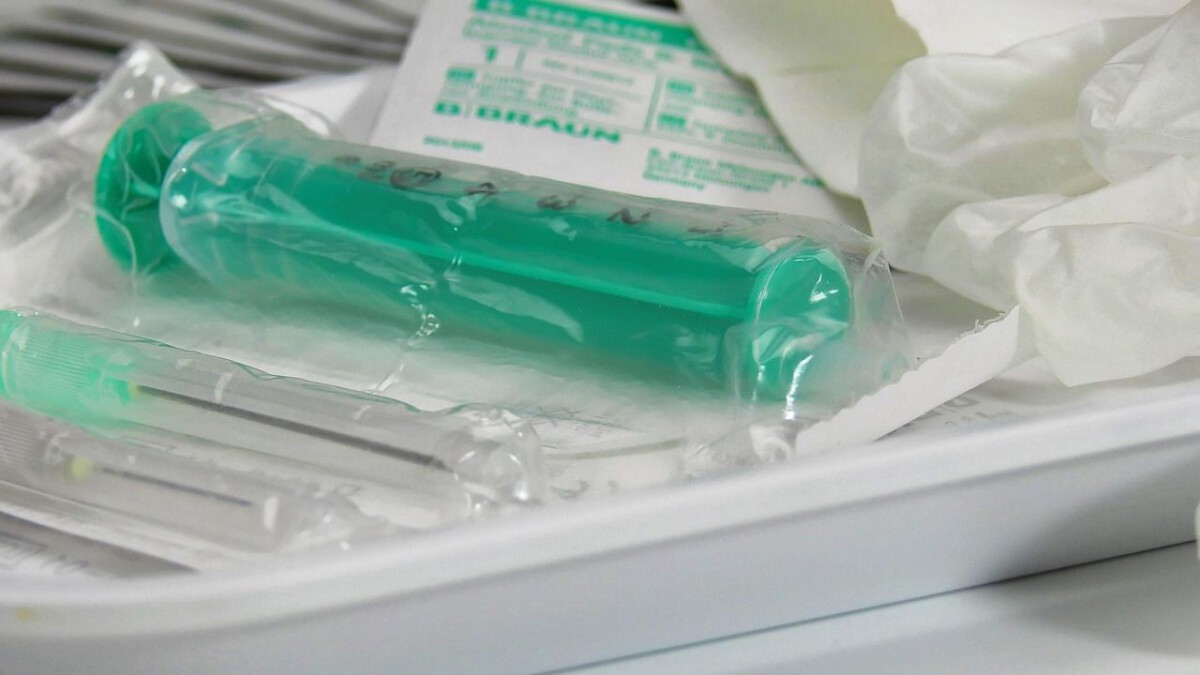
Doctors weigh in on Ozempic, Wegovy, plus new 'dual-action' shot – Image for illustrative purposes only (Image credits: Pixabay)
Tampa, Fla. – Patients in the Tampa Bay area have increasingly sought out medications to manage weight and blood sugar levels. Local physicians note a sharp uptick in prescriptions for GLP-1 drugs such as Ozempic and Wegovy. These treatments replicate a hormone the body produces to control appetite and digestion, offering hope for those struggling with obesity and related conditions.[1][2]
How These Popular Shots Mimic the Body’s Signals
GLP-1 medications target a natural gut hormone that plays several key roles in metabolism. They help regulate blood sugar by prompting insulin release when needed. The drugs also slow the rate at which food exits the stomach, which prolongs feelings of fullness after meals.
Most patients receive these as weekly injections delivered just beneath the skin. Pill forms exist as well, though absorption can vary compared to the shots. This mechanism addresses both diabetes management and weight control, making the class versatile for clinical use.[1]
One Practice Where Demand Has Exploded
In a Tampa clinic, the shift toward these therapies has been dramatic. Dr. Luke Williams observed that a large portion of his patients now rely on them. “I would say in this practice, probably 70% of my patients are on this medication in some way or form,” he said.[2]
This high adoption rate reflects broader trends in patient preferences for effective, targeted treatments. Many individuals arrive motivated by persistent challenges with diet and exercise alone. Physicians like Williams tailor prescriptions to individual needs, starting low and adjusting based on response.
Spotlight on the Dual-Action Breakthrough
A newer option, tirzepatide, stands out for its enhanced approach. Known as the dual-action shot, it influences two hormones rather than one. Dr. Williams described its effects: “It works on the gut… slowing motility. But it also works in the brain for satiety – so you feel full and calm down the food chatter.”[1]
This combination amplifies appetite suppression and digestive regulation. Patients often report fewer cravings, which supports sustained progress. As awareness grows, more providers incorporate tirzepatide into their protocols alongside traditional GLP-1s.
Benefits That Extend to Long-Term Health
Beyond shedding pounds, these drugs deliver metabolic improvements. Some patients achieve better blood sugar stability, allowing them to reduce or eliminate other medications like insulin or metformin. Williams highlighted the potential for ongoing success through maintenance dosing.
“You kind of go on a maintenance dose,” he explained, after patients reach their goals. Studies indicate that continued use for at least a year helps preserve results. This strategy underscores the medications’ role in comprehensive care rather than short-term fixes.[2]
- Improved blood sugar control
- Reduced need for additional diabetes drugs
- Transition to lower maintenance doses for weight stability
- Enhanced satiety leading to better eating habits
Cautions Amid the Enthusiasm
Higher doses carry risks that demand careful monitoring. Williams warned of severe issues, including bowel obstructions. “At higher doses, you can have extreme side effects like bowel obstructions,” he noted.
Experts stress the importance of professional oversight. Unregulated sources online pose dangers, from counterfeit products to improper dosing. Patients fare best under a doctor’s guidance, with regular check-ins to balance benefits and safety.[1]
For many in Tampa Bay, these GLP-1 therapies mark a turning point in health management. Yet their success hinges on informed use and sustained lifestyle support. As options like dual-action tirzepatide evolve, local practices continue to adapt, helping patients navigate toward lasting wellness.