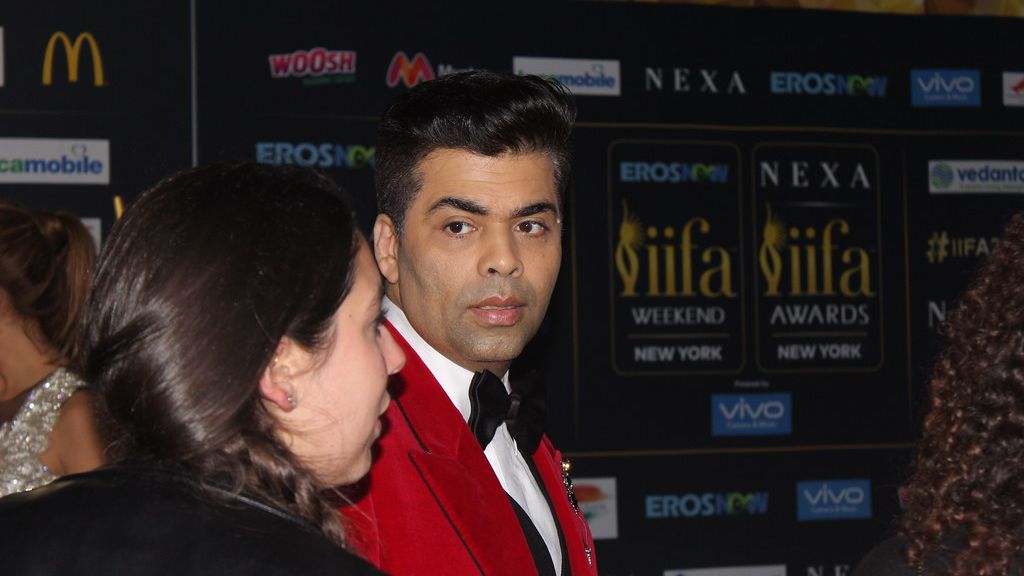
Chandni Chowk to The MET: Karan Johars Influence in Bollywoods Fashion – Image for illustrative purposes only (Image credits: Flickr)
Generations of fans have raided their closets after watching Karan Johar’s films, chasing the effortless cool of a friendship band or the drama of a chiffon saree. His debut at the 2026 MET Gala in a custom Manish Malhotra ensemble marked a pinnacle, transplanting Bollywood’s maximalist flair onto the world’s premier fashion stage. Rooted in Raja Ravi Varma’s artistry, the look encapsulated how Johar has long fused narrative with opulent dressing, influencing tastes from Indian college campuses to diaspora celebrations.
Pioneering Trends Through Blockbuster Cinema
Johar’s breakthrough with Kuch Kuch Hota Hai in the late 1990s ignited a sporty chic craze across India. Viewers snapped up logo sweatshirts and adopted tomboyish outfits inspired by Kajol’s character, who shifted seamlessly from casual wear to elegant sarees. These elements captured a youthful energy that resonated deeply, turning movie scenes into style blueprints for everyday life.
The director’s vision extended family aesthetics in Kabhi Khushi Kabhie Gham, where Chandni Chowk’s vibrant glamour met international polish. Coordinated outfits, flowing chiffon sarees worn abroad, and heavy couture lehengas defined an aspirational “big fat Indian wedding” vibe. Families began mirroring these coordinated looks at their own gatherings, proving Johar’s ability to elevate traditional motifs for modern audiences.
Turning Costumes into Cultural Staples
Johar collaborated closely with designer Manish Malhotra to make film wardrobes feel attainable yet glamorous, dissolving barriers between screen fantasy and real-world closets. A simple GAP T-shirt paired with a bold “COOL” neckpiece from one of his movies lingered in public memory, popping up at college fests and festive parties. This trickle-down effect reached beyond borders, with children of Indian families in the US favoring his school-uniform twists over Western celebrity styles.
His approach created pipelines for trends, where what characters wore during weddings or campus scenes became staples in actual wardrobes. This influence persisted through holidays and milestones, embedding Bollywood flair into the desi diaspora. Johar essentially democratized high-style elements, making them part of lived experiences rather than distant dreams.
A Shift to Glossy, Global Aesthetics
Entering the 2010s, films like Student of the Year introduced a polished, camera-ready polish with micro-minis, form-fitting dresses, and dramatic accessories. Men’s looks evolved too, featuring tailored pieces with theatrical flair that screamed confidence. Characters appeared perpetually red-carpet worthy, setting a new bar for Bollywood’s visual storytelling.
- Sporty logos and bands from early hits.
- Opulent family ensembles and sarees.
- Hyper-stylized minis and bodycon in later eras.
- Statement menswear pushing boundaries.
Off-screen, Johar amplified this through his talk show Koffee with Karan and red-carpet appearances, normalizing embellished jackets and fluid silhouettes for men in a conservative industry. His endorsements helped Bollywood engage luxury brands and international talents, positioning Hindi cinema as a trendsetter rather than follower.
Crowning Achievement at the MET Gala
Johar’s 2026 MET appearance embodied his signature maximalism, with intricate embroidery drawing from heritage craftsmanship and Raja Ravi Varma’s paintings. Crafted by longtime collaborator Manish Malhotra, the outfit merged spectacle with deep cultural narrative, much like his films. It elevated what some view as excess into deliberate artistry, fitting the event’s prestige.
This moment reframed Bollywood’s aesthetic for global eyes, showcasing intentional drama through obsessive detailing. The ensemble translated India’s visual traditions – opulence rooted in story – onto an elite platform, validating decades of Johar’s influence.
Johar’s legacy endures because it taps into aspiration: films and now fashion events that inspire people to dress with purpose, blending heritage and boldness. In a world of fleeting trends, his work reminds audiences that style can tell a story, one wardrobe at a time.