What Is South Korea Known For? – Image for illustrative purposes only (Image credits: upload.wikimedia.org)
South Korea captures attention through its remarkable ability to merge centuries-old heritage with the pulse of modern progress. Visitors encounter grand palaces nestled amid towering skyscrapers, where traditional practices remain integral to daily routines. This duality extends across landscapes and lifestyles, creating a destination rich in contrasts that reward deeper exploration.
Urban Centers Where Eras Overlap Seamlessly
In bustling cities like Seoul, historical sites integrate directly into contemporary surroundings. Royal palace complexes occupy prime urban spaces, their expansive grounds providing serene escapes just steps from busy avenues. Traditional hanok houses, with their distinctive wooden structures and curved roofs, line tranquil neighborhoods, preserving architectural legacies amid ongoing development.
The shift from heritage to high-tech happens fluidly. Sleek districts showcase innovative designs and advanced infrastructure, while nearby markets come alive at night with aromas of street food and lively exchanges. This interplay allows residents and travelers alike to experience continuity, as the past informs the vibrancy of the present without feeling preserved in isolation.
Diverse Landscapes That Define the Horizon
Beyond metropolitan areas, South Korea reveals a varied terrain that shifts from rugged mountains to expansive coastlines. Forested trails wind through peaks to remote temples, offering moments of quiet reflection. Coastal regions provide broad sea vistas, contrasting the inland heights with their rhythmic calm.
Jeju Island exemplifies this natural variety, featuring volcanic formations alongside cascading waterfalls accessible via well-marked paths. Despite the country’s compact size, these environments deliver distinct moods – from misty highlands to sunlit shores – inviting extended stays for those drawn to outdoor pursuits.
Historical Layers That Shape National Identity
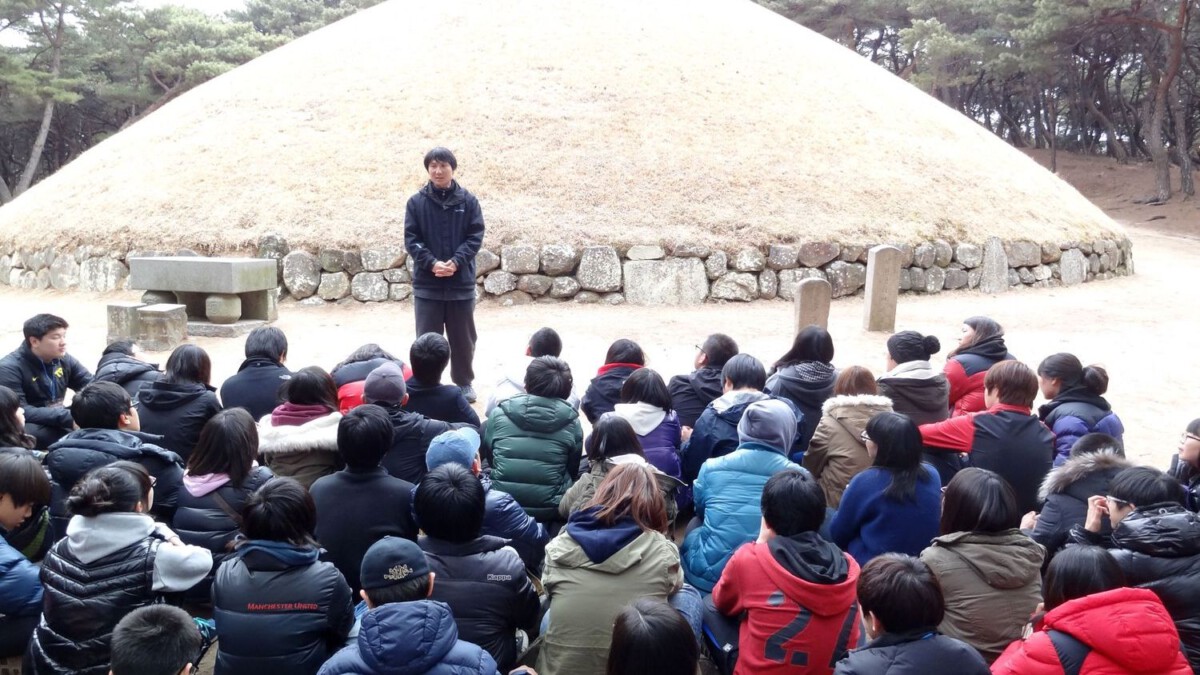
The peninsula holds profound historical narratives visible in preserved sites across regions. Gyeongju’s ancient tombs emerge from verdant fields, remnants of a once-dominant kingdom that influenced broader Asian dynamics. Nearby villages maintain generational customs and structures, providing tangible links to enduring ways of life.
The Demilitarized Zone serves as a stark marker of mid-20th-century division, underscoring themes of resilience amid geopolitical tensions. These locations add gravity to any itinerary, revealing stories of power, preservation, and perseverance that resonate long after visits conclude.
What Matters Now: South Korea’s sites blend accessibility with depth, making them ideal for travelers seeking both education and inspiration in compact journeys.
Cultural Immersion Through Everyday Moments
South Korea engages visitors on a sensory level, far beyond visual landmarks. Palace courtyards evoke stillness through symmetrical designs and vast scales, while night markets pulse with energy from diverse stalls offering local flavors. Temple paths lined with ancient trees and faint bell echoes create intimate connections to spiritual traditions.
Shared meals highlight culinary heritage refined over generations, turning routine encounters into memorable highlights. These experiences emphasize presence over checklists, fostering appreciation for subtleties like dawn mists or dusk ambiance that define the country’s atmospheric pull.
Navigation Made Simple for Deeper Discovery
Efficient infrastructure supports fluid movement throughout the nation. High-speed rail links major hubs in hours, while reliable roads and brief flights reach even isolated areas. This network enables seamless transitions between urban excitement and rural tranquility.
Travelers gain flexibility to adjust paces, lingering in favored spots without logistical strain. The result enhances focus on immersion, allowing the landscape’s contrasts – from city lights to mountain hush – to unfold naturally.
South Korea’s appeal lies in its unhurried revelation of layers, where fleeting temple silences or market buzzes build lasting impressions. This balance of accessibility and authenticity ensures journeys evolve into personal narratives, echoing the nation’s own story of harmonious evolution.