The “John Doe” Financial Block: Why Some POA Forms Are Being Rejected Under New Bank AI Security Protocols – Image for illustrative purposes only (Image credits: Unsplash)
Major banks increasingly rejected legally valid power of attorney documents last year as artificial intelligence systems flagged minor discrepancies in names or signatures. Families managing finances for aging or ill relatives faced unexpected delays, sometimes leaving urgent bills unpaid. These incidents, dubbed the “John Doe” financial block by those affected, stemmed from heightened fraud prevention efforts amid rising scams targeting seniors. The shift highlighted tensions between robust security and timely access to accounts.
The Rise of the “John Doe” Financial Block
Banks applied stricter identity verification after noticing patterns in fraudulent attempts. When systems could not match details perfectly between a power of attorney form and account records, they treated the transaction as high-risk. This approach protected against identity theft but caught legitimate cases in the net. Institutions faced regulatory pressure to safeguard customer funds, especially as cyber threats grew more sophisticated.
The term “John Doe” block captured situations where generic or mismatched identifiers triggered alerts. Account holders’ names appearing slightly differently, such as with middle initials or suffixes, often set off the flags. Signatures that varied from file records compounded the issue. Banks like Bank of America and U.S. Bank led the adoption of these measures to combat evolving scams.
AI’s Expanding Role in Fraud Detection
Financial institutions turned to artificial intelligence to sift through vast data sets in real time. Algorithms examined account activity, document consistency, and verification signals for anomalies. This technology processed requests faster than human reviewers ever could. Yet the systems occasionally generated false positives, mistaking valid power of attorney submissions for risks.
Major banks invested heavily in these tools to stay ahead of fraudsters. Seniors became prime targets for scams, prompting tighter controls across the industry. AI improved overall detection rates but required fine-tuning to reduce errors on routine matters like family-authorized transactions. Experts observed that the technology remained in an evolutionary phase, balancing speed with precision.
Triggers Behind POA Rejections
Minor inconsistencies proved the most common culprits. A power of attorney listing “John A. Doe” while the account read “John Doe” triggered scrutiny. Incomplete documentation or outdated forms fared no better under automated review. Banks demanded exact matches to minimize exposure to fraud.
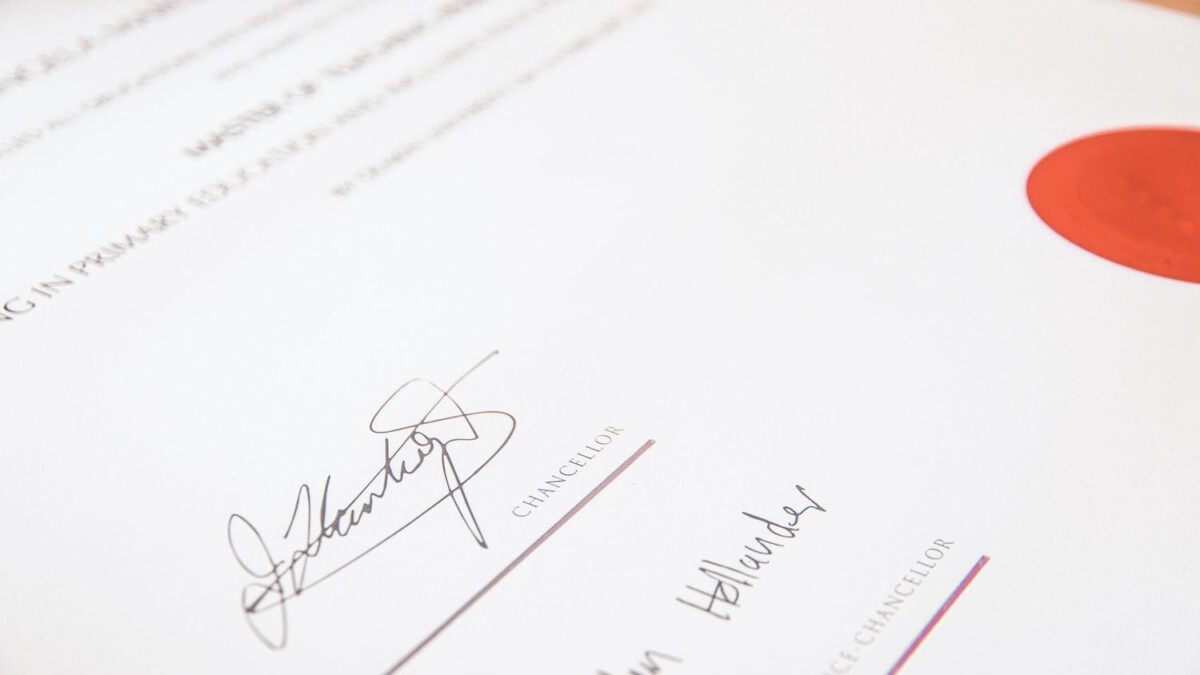
Signature variations also drew flags, as AI compared them against stored samples. Agents sometimes needed extra proof tying them to the principal. These checks aligned with broader efforts to verify every detail amid rising threats. Families encountered the problem most during health crises, when swift access mattered urgently.
Practical Steps to Overcome Rejections
Preparation emerged as the best defense against delays. Families ensured power of attorney documents matched account names precisely before visiting a branch. Multiple identification forms for both the account holder and agent smoothed the process. Contacting the bank in advance revealed specific requirements and avoided surprises.
When rejections occurred, calm persistence paid off. Staff provided reasons for the flag, often pointing to fixable issues like added verification. Updating the document or supplying extras resolved many cases. Escalating to a manager or legal team accelerated approvals. Clear communication bridged the gap between security protocols and family needs.
- Verify name formats across all records match exactly.
- Gather IDs for principal and agent, including passports or driver’s licenses.
- Call the branch beforehand to confirm policies.
- Request detailed rejection feedback and act promptly.
- Escalate if initial responses stall progress.
Security Advances Meet Real-World Needs
Banks fortified defenses as fraud evolved, yet these measures sometimes hindered those seeking legitimate help. Families relied on power of attorney tools during vulnerable moments, making access essential. Institutions continued refining AI to distinguish threats from routine authorizations. The challenge underscored the need for adaptable systems that protected without isolating customers.
Clearer guidelines and proactive updates could ease future frictions. Stakeholders watched how banks balanced vigilance with usability. For now, informed families navigated the hurdles effectively, ensuring finances flowed when illness struck. The episode served as a call to review estate documents amid technological shifts.