

High achievers often wear their relentless drive like a badge of honor. They fill every hour with tasks, chasing the next goal before the ink dries on the last one. Yet for some, this constant motion isn’t just ambition – it’s a deeply wired survival tactic.[1][2]
Therapists and researchers point to patterns where overwork masks unresolved pain. Staying busy drowns out uncomfortable feelings, turning productivity into a shield. This dynamic shows up more in recent discussions around mental health and work culture.[3][4]
The Fawn Response and Overachievement

The fawn response, one of four core trauma reactions, involves people-pleasing to stay safe. In high-pressure environments, it morphs into hyper-productivity, where individuals overdeliver to avoid conflict or rejection. This pattern often stems from early experiences where approval depended on performance.[5][6]
Driven professionals might schedule back-to-back meetings or tackle extra projects without pause. They feel uneasy during downtime, as rest triggers vulnerability. Recent therapy insights highlight how this response gets rewarded in workplaces, reinforcing the cycle.[7]
Hyper-Vigilance Fuels the Grind

Trauma leaves the nervous system in a state of hyper-vigilance, scanning for threats. Productivity becomes a way to control chaos, mimicking the body’s fight-or-flight mode but through tasks instead. Therapists note this in clients who equate busyness with security.[8]
Quiet moments feel risky, so the to-do list expands endlessly. This isn’t laziness reversed – it’s exhaustion disguised as output. Articles from 2025 describe it as a self-protective loop that erodes true rest.[9][8]
Childhood Roots of Workaholism

Many trace compulsive productivity to childhood environments with emotional neglect or high expectations. Kids learn that achievements buy love or safety, carrying that into adulthood. Therapy blogs from 2025 link this to workaholism as a hidden trauma sign.[10]
Self-worth ties to output, making pauses feel like failure. Parents or caregivers who praised results over presence set the stage. Over time, this creates adults who burn out chasing validation.[4]
Hustle Culture Amplifies the Response

Hustle culture glorifies nonstop work, resonating with those already primed by trauma. Social media pushes “rise and grind” narratives that normalize exhaustion. Yet experts in 2026 warn it exploits trauma-driven behaviors for profit.[11]
Leaders report high burnout rates, with many feeling depleted daily. This environment rewards fawning types who overperform. Breaking free requires questioning the cultural script.[12]
Signs of Productivity as Coping

Common red flags include discomfort with free time or guilt during breaks. Tasks pile up as a buffer against emotions. People might excel outwardly while feeling hollow inside.[13]
Perfectionism pairs with avoidance of stillness. Sleep suffers as the mind races with lists. Therapists spot this in clients who thrive on chaos but crumble in calm.[3]
Neuroscience of the Busy Brain
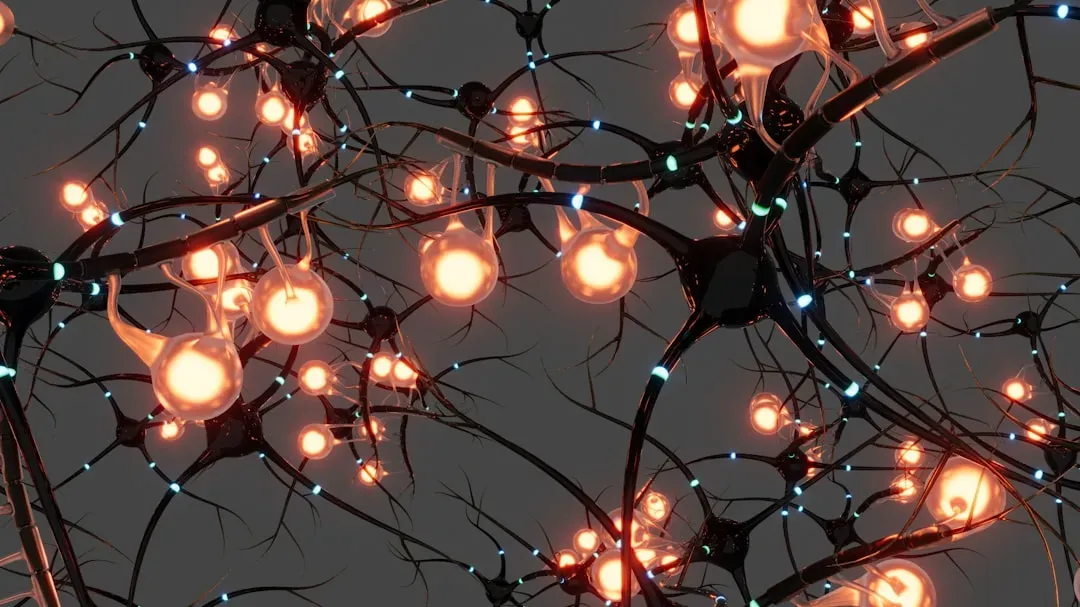
Chronic stress from trauma alters brain circuits, prioritizing action over reflection. The amygdala stays alert, pushing dopamine hits from completions. This creates addiction to productivity.[14]
Rest activates threat detection in wired systems. Neurofeedback helps rewire for balance, per recent practices. Understanding this biology demystifies the urge.[15]
Mental Health Toll of Toxic Output
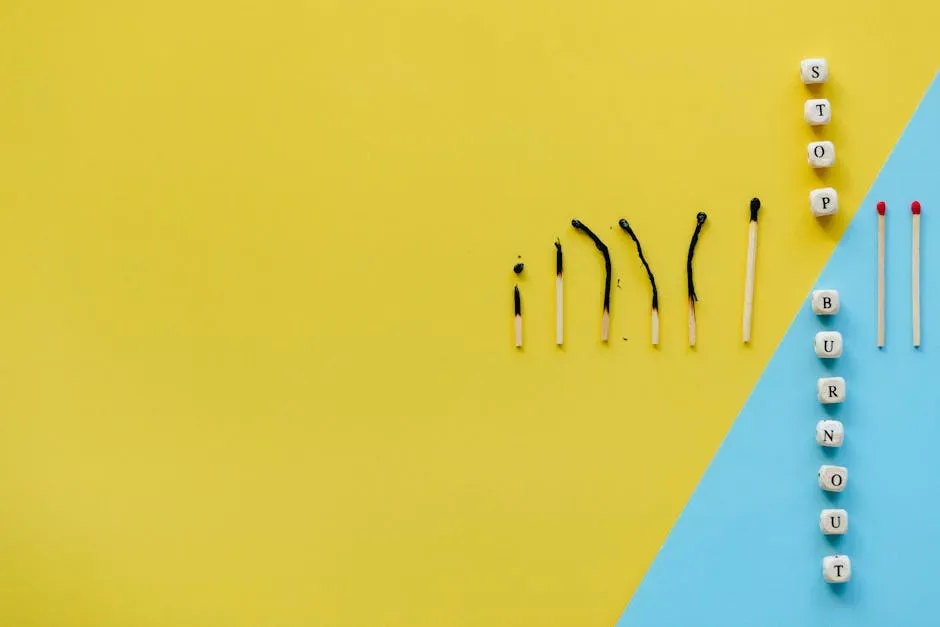
Constant doing leads to burnout, anxiety, and relational strain. Self-worth crashes without tasks, fostering isolation. Psychology pieces from 2025 detail these hidden costs.[4]
Physical symptoms like insomnia follow. Productivity anxiety affects many workers. Long-term, it blocks genuine healing.[16]
The Fawn at Work

In offices, fawning shows as overcommitting to please bosses or teams. Boundaries blur in favor of harmony. This trauma tactic boosts short-term praise but long-term resentment.[5]
Women leaders often face this amplified by expectations. Promotions come, burnout follows. Recognizing it shifts dynamics.[17]
Procrastination’s Flip Side

Not all trauma drives output – some freeze into delay. Yet hyper-productivity and procrastination both dodge feelings. They serve the same avoidance purpose.[18]
Understanding both reveals nervous system patterns. Therapy addresses the root, not symptoms. Balance emerges from awareness.[19]
Steps to Rewire the Habit

Start with noticing urges during downtime. Small rests build tolerance for stillness. Therapy like EMDR targets trauma origins.[20]
Mindfulness interrupts autopilot busyness. Redefine success beyond output. Sustainable habits replace compulsion.[2]
Conclusion

For some, productivity isn’t a virtue – it’s a vestige of survival. Recognizing this opens doors to rest without shame. True thriving comes when work serves life, not the other way around.